Shingles vaccine cuts major cardiac events by 46% in high-risk patients
A vaccine most people associate with preventing a painful rash is now showing effects far beyond the skin. New research published in the European Heart Journal found that the shingles vaccine reduced major cardiac events by 46% and deaths by 66% in people already at high cardiovascular risk, within just one year of getting the shot. That is not a small signal. Those numbers put it in the same conversation as some of the most well-known interventions in preventive cardiology.
The study tracked over 1.2 million adults with pre-existing cardiovascular conditions. Researchers compared those who received the recombinant zoster vaccine against those who did not, then followed outcomes over 12 months. The gap in serious cardiac events was striking enough that the authors drew a direct comparison to quitting smoking, which has long been considered the single most impactful lifestyle change for heart health.
Why a virus vaccine would affect the heart
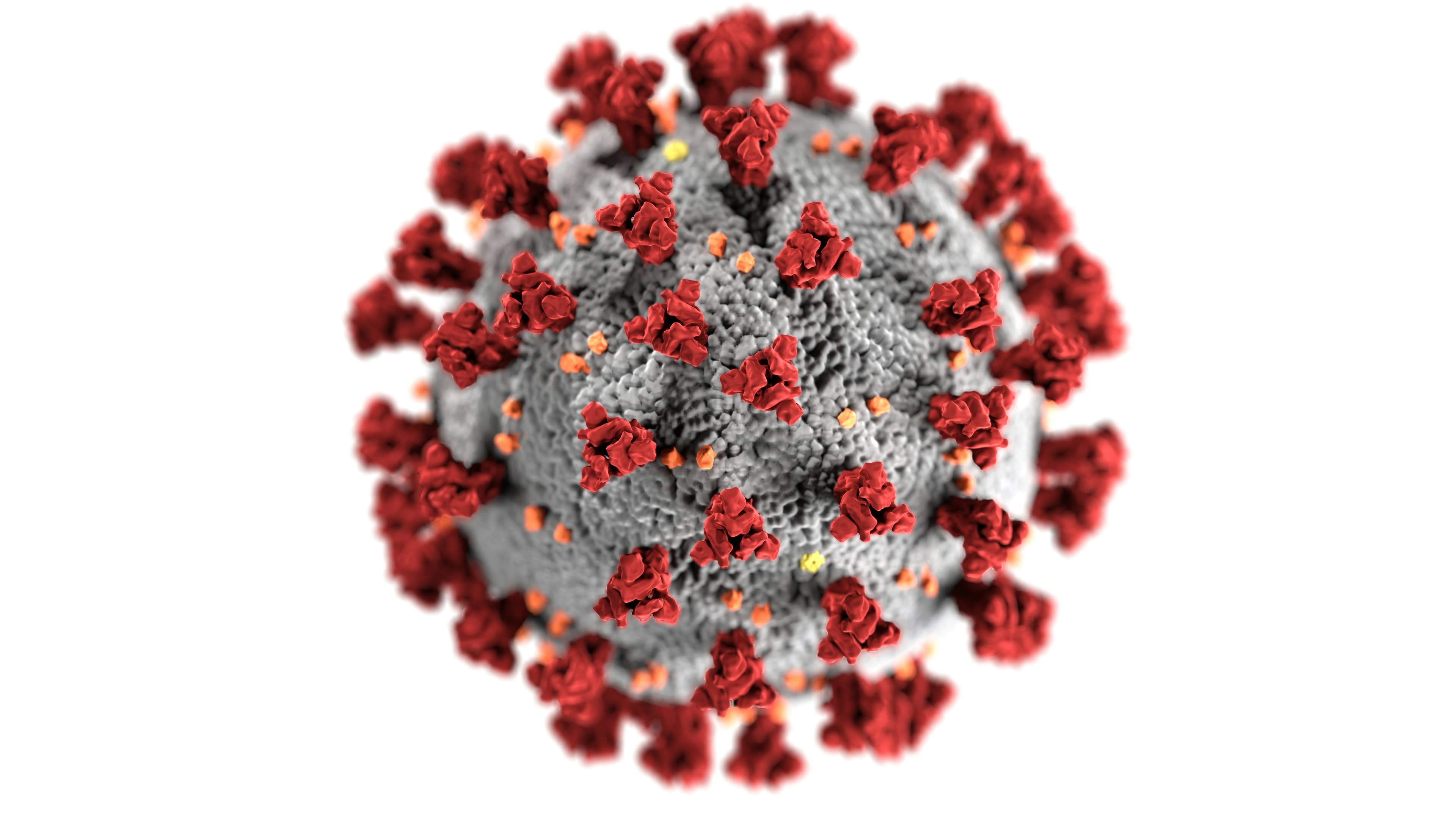
Shingles is caused by the varicella-zoster virus reactivating after lying dormant in nerve tissue, sometimes for decades. When it flares up, the infection does more than cause blisters. It triggers a surge in inflammation throughout the body. For someone with already-narrowed arteries or a history of heart trouble, that inflammatory response can tip the balance toward a clot forming in a blood vessel. That clot is what causes heart attacks and strokes.
The researchers believe the vaccine's benefit comes from preventing that chain reaction entirely. No shingles infection means no spike in systemic inflammation, which means one less trigger for clot-related events. It is a relatively straightforward mechanism, but the scale of the effect surprised many in the cardiology community who had not previously considered shingles as a meaningful cardiac risk factor.
Who stands to benefit most
The study focused on adults over 50 with established cardiovascular disease, which is exactly the group for whom the shingles vaccine is already recommended in most countries. In the United States, Shingrix, the two-dose recombinant vaccine made by GSK, is approved for adults 50 and older. It has a well-documented efficacy rate above 90% for preventing shingles itself. What this new data adds is a compelling secondary reason to prioritize vaccination in patients who may have otherwise delayed or skipped it.
Cardiologists treating patients with a history of heart attack, heart failure, or peripheral artery disease now have evidence to bring this conversation to the table during routine visits. The vaccine is not a heart medication and should not be framed as one, but the data suggests that keeping shingles at bay may genuinely reduce the likelihood of a life-threatening cardiac event in this population.
Comparing it to other preventive measures
The comparison to smoking cessation is worth sitting with. Quitting smoking reduces the risk of a heart attack by roughly 50% within one year, according to data from the American Heart Association. The shingles vaccine, in this study, showed a 46% reduction in major adverse cardiac events over the same timeframe. That does not mean the vaccine replaces smoking cessation or statins. But for a patient who is already a non-smoker, already on optimal medication, and still carries elevated risk simply because of their age and cardiac history, this finding suggests the vaccine may offer a meaningful additional layer of protection.
There is also the mortality number to consider. A 66% reduction in deaths among vaccinated high-risk patients over 12 months is a figure that warrants attention. The researchers controlled for other variables including medication use, comorbidities, and socioeconomic factors, which makes the finding harder to dismiss as a statistical artifact.
What this means in practice
For most people over 50 with heart disease, getting the shingles vaccine is already a reasonable thing to do. The added cardiac data simply strengthens the case. Some insurance plans in the U.S. cover Shingrix fully under Medicare Part D for eligible adults, though out-of-pocket costs can vary. Patients who are immunocompromised due to medication or disease should consult their doctor before vaccination, as the recommendations differ slightly for that group.
From a public health perspective, the study raises a broader question: how many other vaccines have protective effects we have not yet fully mapped? Influenza vaccination has already been linked in prior research to lower rates of cardiac events during flu season. The shingles findings add to a growing body of evidence that certain infections, and the inflammation they cause, are underappreciated contributors to cardiovascular risk.
The European Heart Journal study is observational rather than a randomized controlled trial, so it cannot prove causation with absolute certainty. A randomized trial specifically designed to measure cardiac outcomes would be the next logical step. Still, the size of the dataset and the consistency of the effect across subgroups make it one of the more compelling observational findings in cardiovascular medicine in recent years.
AI Summary
Generate a summary with AI
