Scientists Use AI-Driven Liquid Biopsy to Detect Early Liver Disease from Blood DNA Fragments
Liver disease has a cruel characteristic: it tends to be silent until it isn't. Fibrosis and cirrhosis — progressive scarring of liver tissue — can develop over years or even decades without producing symptoms that would send most people to a doctor. By the time a diagnosis is made, the damage is often severe and the treatment options considerably narrower than they would have been earlier. A new AI-powered liquid biopsy tool developed by researchers may be about to change that timeline fundamentally, using nothing more than a standard blood draw to detect these conditions at stages where intervention can actually matter.
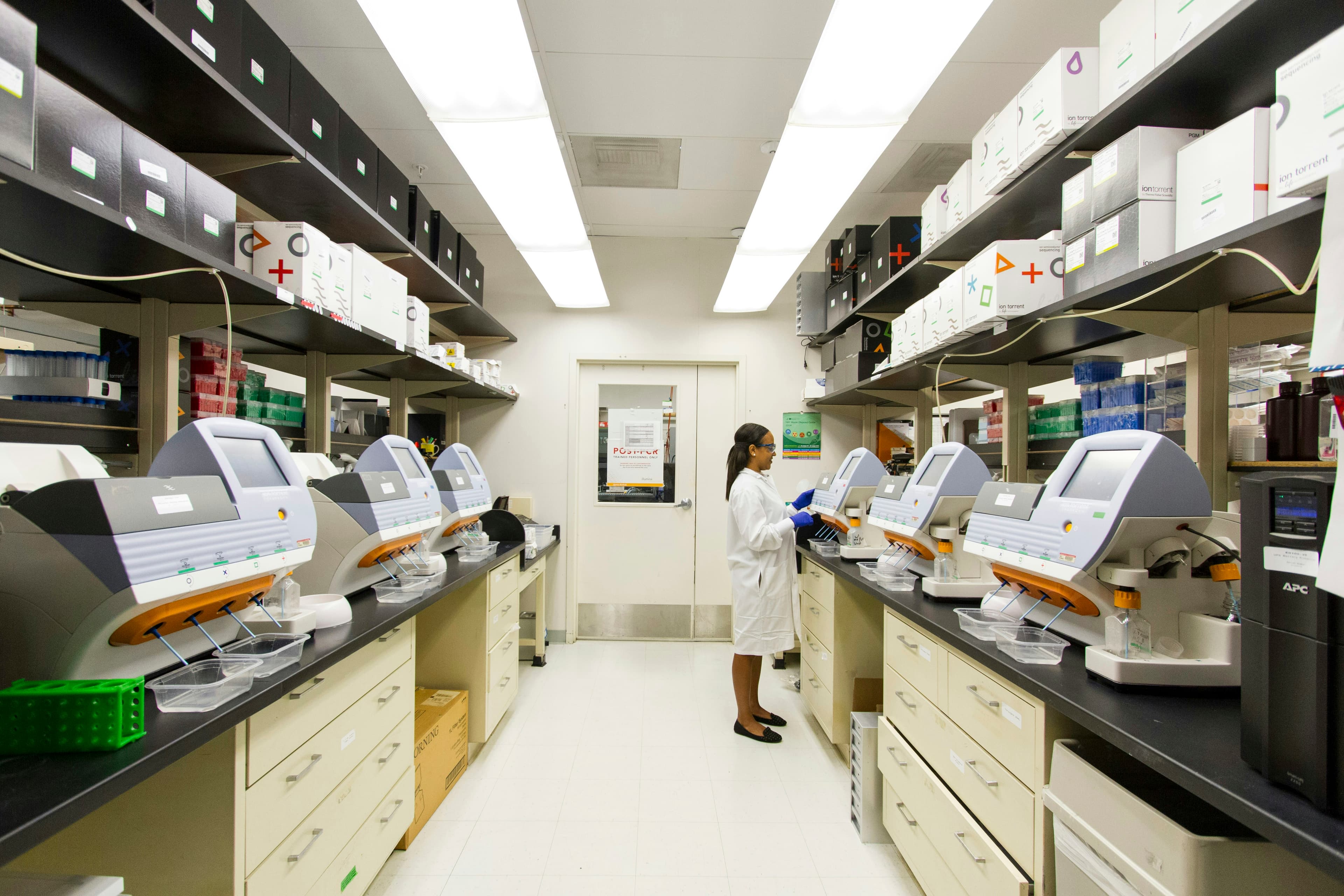
What Cell-Free DNA Is and Why It Carries a Medical Signal
When cells in the body die — through normal turnover, injury, or disease — they release fragments of their DNA into the bloodstream. This circulating cell-free DNA, or cfDNA, is a constant presence in everyone's blood in varying quantities and compositions. For most of the past decade, cfDNA research has focused heavily on cancer detection — tumors shed DNA with distinctive mutations that can be identified in blood samples, enabling what is broadly called liquid biopsy. The concept is simple: read what the DNA in the blood is telling you about what's happening in the body without cutting anything open.
The new liver disease application works on a related but distinct principle. Rather than looking for mutations — which aren't the hallmark of fibrosis the way they are of cancer — the researchers focused on the fragmentation patterns of cfDNA. When liver cells are damaged or dying at an elevated rate, the DNA fragments they release carry signatures of that process: specific lengths, specific chemical modifications, and specific patterns of where the DNA has been cut. These patterns differ between healthy liver tissue and tissue that is scarring, and they differ further as fibrosis advances. The AI's job is to learn to read those differences from the raw sequencing data.
How the AI Component Works
The machine learning model at the core of this system was trained on blood samples from patients whose liver condition had been independently established through biopsy — the current gold standard for assessing fibrosis severity, which involves inserting a needle into the liver to extract a tissue sample. By training on confirmed cases across the full spectrum of liver health, from normal to severe cirrhosis, the model learned to associate specific cfDNA patterns with specific disease stages.
What makes AI particularly valuable here is the dimensionality of the signal. cfDNA fragmentation patterns involve thousands of features — fragment length distributions, nucleosome positioning signals, DNA methylation patterns, tissue-of-origin markers — that no human analyst could meaningfully synthesize simultaneously. A well-trained model can identify combinations of subtle features that individually look like noise but collectively constitute a reliable diagnostic signal. That's precisely the kind of pattern recognition problem where machine learning outperforms traditional statistical approaches.
The Problem with Current Liver Disease Diagnosis
Liver biopsy is accurate but invasive, expensive, and carries real risks — bleeding, pain, and in rare cases serious complications. It requires specialized facilities and trained personnel, which limits how broadly it can be deployed as a screening tool. Most patients don't get a liver biopsy unless there's already strong clinical suspicion of disease, by which point they've typically been symptomatic or shown abnormal results on other tests for some time.
Non-invasive alternatives exist — blood tests measuring liver enzymes, imaging techniques like elastography that measure liver stiffness, and composite scoring systems — but they have meaningful limitations in sensitivity and specificity, particularly for distinguishing between mild and moderate fibrosis stages where treatment decisions are genuinely consequential. A tool that could reliably stage liver disease from a blood sample with accuracy approaching that of biopsy would represent a significant clinical upgrade, making earlier and broader screening practical in primary care settings.
Who This Could Help Most
The populations with the greatest need for better liver disease screening are large and growing. Non-alcoholic fatty liver disease — now increasingly called metabolic dysfunction-associated steatotic liver disease — affects an estimated 25% of adults globally, driven by rising rates of obesity, type 2 diabetes, and metabolic syndrome. Many of these patients have no idea their liver is accumulating fat and beginning to scar. Alcohol-related liver disease similarly affects tens of millions of people, often progressing silently for years.
Hepatitis B and C infections, particularly in regions with high prevalence and limited healthcare access, cause chronic liver inflammation that progresses to fibrosis and cirrhosis over time. A liquid biopsy that can be performed as part of a routine blood panel — without specialized imaging equipment or the logistics of invasive biopsy — could enable screening at a scale that current methods cannot support. That scalability matters most in lower-resource settings where the burden of chronic liver disease is often highest and the diagnostic infrastructure is most limited.
What the Research Results Showed
The published results demonstrated that the AI liquid biopsy system could distinguish between different stages of liver fibrosis with accuracy that compared favorably to existing non-invasive scoring systems and, in some disease stage comparisons, approached the diagnostic performance of biopsy itself. The system showed particular strength in detecting early-stage fibrosis — the hardest category to identify and the one where early intervention produces the greatest benefit — where conventional blood markers and imaging techniques tend to be least reliable.
Validation across independent patient cohorts — a critical step that distinguishes credible AI diagnostic tools from overfit models that perform well only on the data they were trained on — showed the system maintained its accuracy when applied to new patients from different clinical settings. That cross-cohort validation is one of the more rigorous tests a diagnostic model can pass, and its performance there strengthens the case for clinical translation.
The Road from Research to Clinical Use
Translating a research finding into a tool that practicing physicians can order for their patients requires regulatory review, prospective clinical trials, standardization of the testing process across laboratories, and eventually reimbursement coverage from payers. None of those steps are trivial, and the timeline from promising research result to routine clinical availability for diagnostic tools of this kind has historically run to several years even for well-supported technologies.
The AI diagnostic space has also accumulated enough cautionary examples of tools that performed brilliantly in research settings but degraded in real-world clinical deployment to make regulators and clinicians appropriately careful about what evidence they require before widespread adoption. Prospective trials — where the tool is tested on new patients going forward rather than evaluated retrospectively on archived samples — will be a key next step in building the evidence base that regulatory bodies and clinical guideline committees will want to see.
A Shift in How Liver Disease Gets Found
The deeper significance of this research isn't just about liver disease specifically — it's about a broader shift in how medicine identifies silent chronic conditions before they become crises. The liquid biopsy concept, originally developed around cancer detection, is proving to have much wider applicability. cfDNA carries information about tissue health throughout the body, and AI tools trained to read that information for specific conditions could eventually enable a kind of multi-organ health surveillance from routine blood draws.
Liver disease is a particularly compelling starting point because the need is so clear, the current diagnostic pathway is so imperfect, and the consequences of late detection are so serious. If this tool fulfills its early promise through the clinical validation process, it won't just be a better liver test — it will be a demonstration that AI-driven liquid biopsy can be a practical, scalable approach to catching disease early across conditions where early detection genuinely changes outcomes.
AI Summary
Generate a summary with AI