Scientists Develop Modified Psilocin Drug That May Treat Depression Without Hallucinations
Psilocybin therapy for depression has produced some of the most exciting clinical results in psychiatry in decades. The problem has always been the experience itself. Hours of intense psychedelic effects, the need for clinical supervision, the difficulty some patients have navigating the psychological intensity of a full trip — these constraints have kept psilocybin therapy largely confined to specialized research settings. A new development in pharmaceutical chemistry is aiming to change that equation: researchers have engineered modified versions of psilocin, the compound psilocybin converts to in the body, that appear to retain the antidepressant effects while stripping away the hallucinations.
Why Separating the Effects Has Been So Difficult
Psilocin works primarily by binding to serotonin receptors in the brain, most importantly the 5-HT2A receptor. That same receptor binding is responsible for both the antidepressant effects and the hallucinogenic experience. For years, the prevailing assumption in psychedelic research was that the two effects were inseparable — that the mystical or psychedelic experience itself was a necessary component of the therapeutic benefit, producing psychological insights and shifts in perspective that drove the antidepressant outcome.
That view has been increasingly contested. Some research has suggested that the biological changes triggered by the compound — neuroplasticity, changes in default mode network activity, synaptic remodeling — may be separable from the subjective psychedelic experience. If the molecular binding drives beneficial biological changes regardless of whether the person is actively hallucinating, it should theoretically be possible to modify the compound to produce the former without the latter. That is precisely what the new research attempts to achieve.
What the Modified Compounds Do Differently
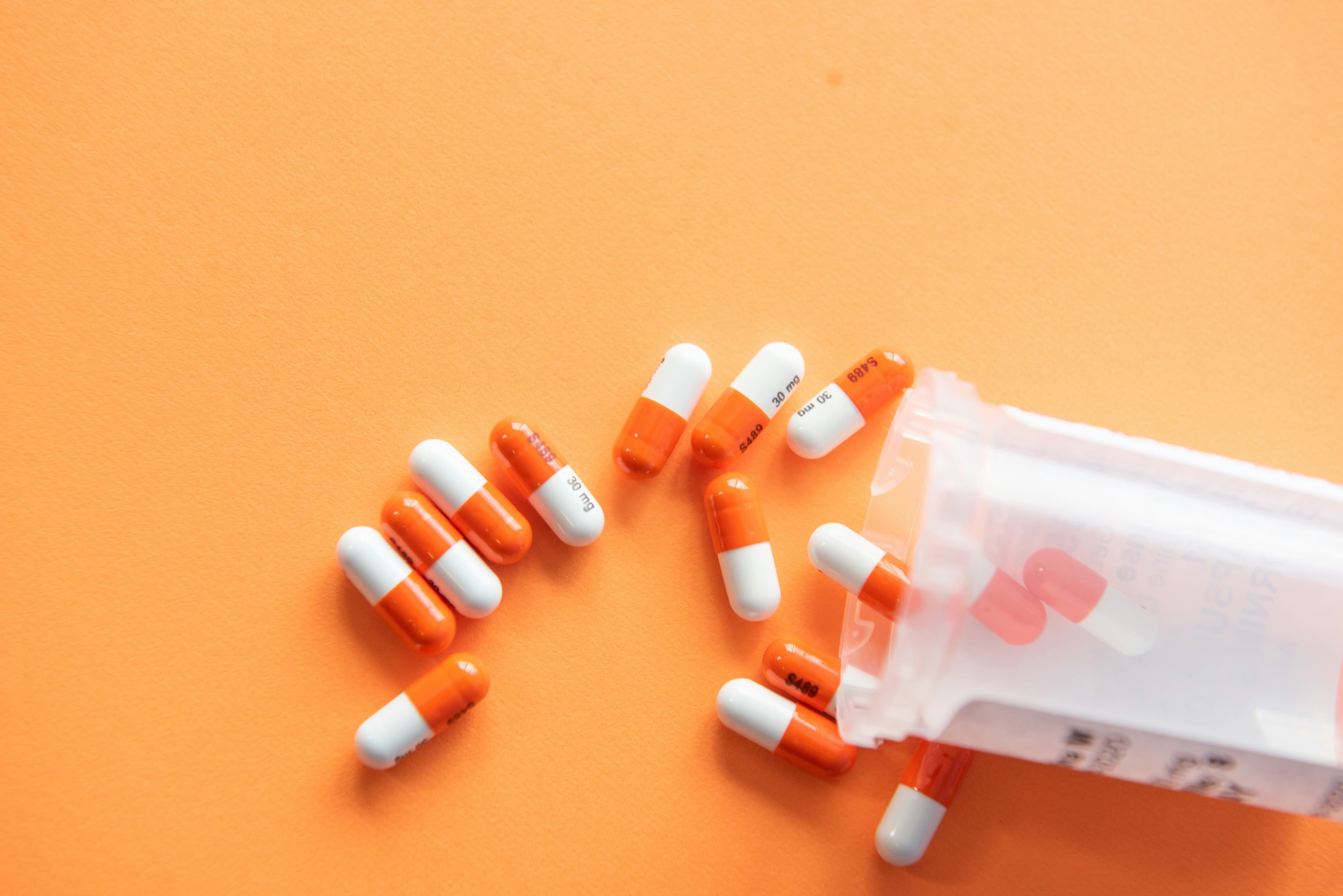
The modified psilocin molecules engineered by the research team are designed to interact with the relevant serotonin receptors in a way that triggers the intracellular signaling pathways associated with neuroplasticity and antidepressant effects, while producing less of the receptor activation pattern associated with perceptual distortion and hallucination. The technical approach involves adjusting the molecule's structure to bias its receptor activity — a pharmacological strategy known as biased agonism that has been applied in other drug classes but is relatively new territory in psychedelic chemistry.
Preliminary results in animal models showed that some of the modified compounds produced antidepressant-like behavioral effects without the behavioral markers associated with psychedelic experiences. That is an encouraging signal, but the translation from animal models to human clinical outcomes is never guaranteed, and the compounds will require extensive safety and efficacy testing before anything can be concluded about their clinical utility.
The Clinical Access Problem This Could Solve
If a non-hallucinogenic psilocin-derived drug can be developed that retains meaningful antidepressant effects, the access implications are substantial. Current psilocybin therapy requires a controlled clinical environment, trained therapists, multiple preparatory sessions, and hours of supervised experience during the drug's active period. The cost of that infrastructure is high, and the availability of appropriately trained providers is limited. Most people who might benefit from psilocybin therapy cannot access it.
A non-psychedelic compound derived from the same mechanism could theoretically be prescribed and taken at home, like a conventional antidepressant. That would represent a fundamental change in who can access psychedelic-mechanism treatments — extending their reach from a small number of specialized clinics to the full breadth of psychiatric care. For the roughly 100 million people worldwide living with depression, many of whom have inadequate access to any mental health care, that shift would be meaningful.
The Debate Within Psychedelic Research
Not everyone in the field views the removal of the psychedelic experience as straightforwardly desirable. A significant contingent of researchers and clinicians believe that the therapeutic experience — the dissolution of habitual thought patterns, the confrontation with repressed emotions, the often-reported sense of connection and meaning — is not a side effect to be engineered away but a core part of what makes psilocybin therapy effective. On this view, a non-hallucinogenic version would be a pharmacologically interesting but therapeutically diminished product.
The debate is unlikely to be resolved until human clinical trials directly compare outcomes between psychedelic and non-psychedelic versions of the compound. What the new research does is make that comparison possible — something that was not on the table when psilocin's molecular structure couldn't be modified to separate its effects. Whether the hallucinations turn out to be necessary or incidental to the therapy, having the scientific tools to answer that question is itself a meaningful advance for the field.
AI Summary
Generate a summary with AI