Saudi Aramco Announces Major Natural Gas Discovery in Jafurah Field
Saudi Aramco has confirmed a significant upward revision to the estimated reserves at the Jafurah unconventional gas field, the Kingdom's largest natural gas development project and a cornerstone of Saudi Arabia's ambition to become a leading supplier of blue hydrogen to global markets. The announcement landed today with strategic weight that extends well beyond the technical drilling report behind it — this is as much a geopolitical and economic positioning statement as it is an energy sector update.
Jafurah is not a new discovery. Aramco formally announced the field's development in 2020, estimating it contained around 200 trillion standard cubic feet of raw gas — enough to establish Saudi Arabia as a serious natural gas player alongside its oil dominance. Today's reserve revision pushes those numbers higher, adding to the foundation of a project that is already transforming how Saudi Arabia thinks about its long-term energy export portfolio. For a country that has defined itself through crude oil for the better part of a century, the pivot toward gas and hydrogen is a structural shift worth watching carefully.
What the Jafurah Field Represents at Scale
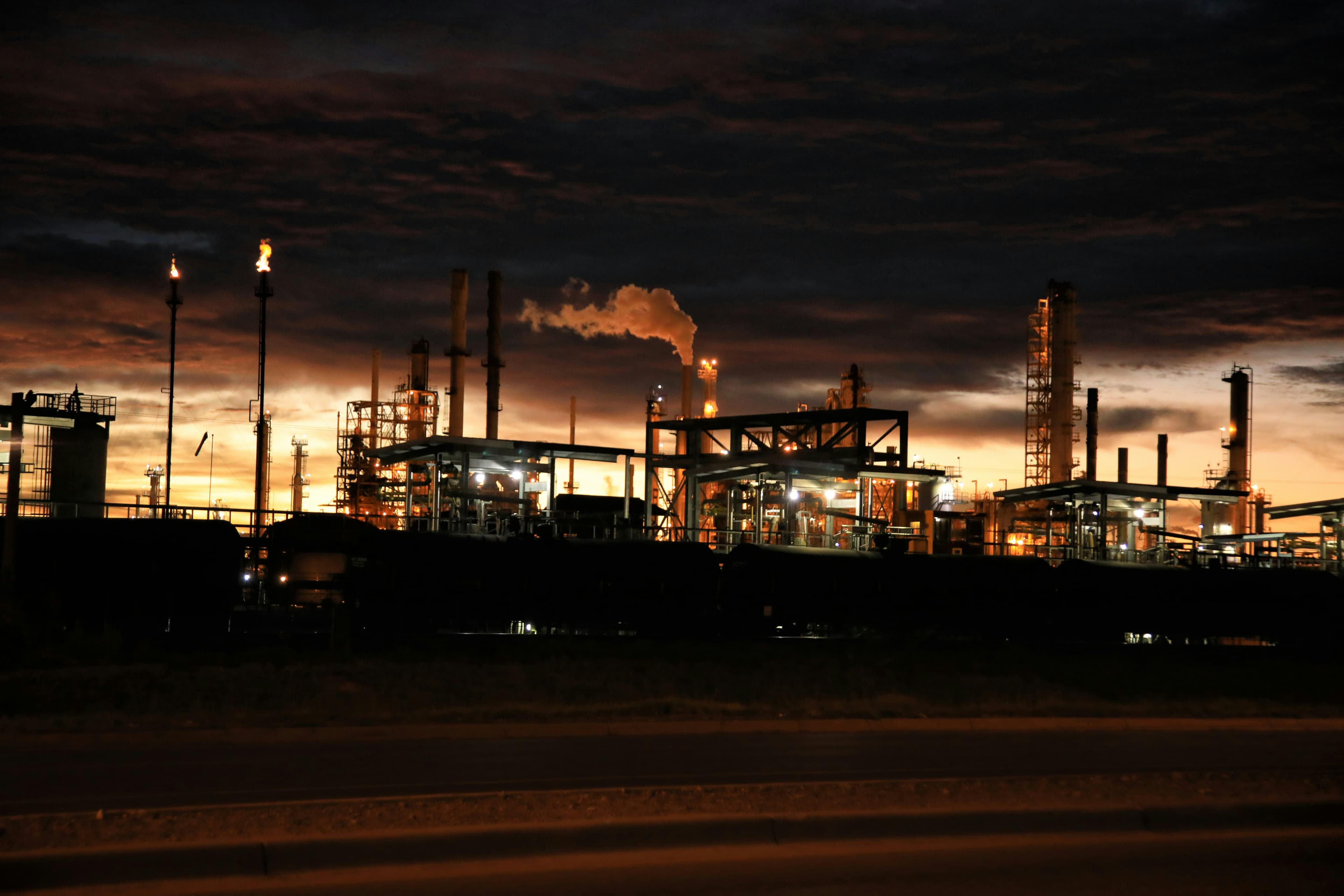
Jafurah sits in the Eastern Province, in the same general geography as Aramco's oil operations, which simplifies some of the infrastructure challenges that would otherwise complicate a project of this scale. The field is a tight gas formation — meaning the gas is locked in low-permeability rock that requires hydraulic fracturing and horizontal drilling to extract economically, technology that Aramco has been building expertise in through partnerships with international service companies.
At full development, Aramco has targeted production of 2 billion standard cubic feet of sales gas per day from Jafurah by 2030, along with substantial volumes of ethane for the petrochemical sector and natural gas liquids that add commercial value to the overall project economics. The scale of that ambition requires a capital commitment running into tens of billions of dollars over the development timeline — numbers that only make sense if Aramco and the Saudi government are confident in both the resource base and the long-term market for gas and its derivatives.
The Blue Hydrogen Connection
Blue hydrogen is produced by reforming natural gas — extracting hydrogen from methane through a process called steam methane reforming — and capturing the CO2 byproduct rather than releasing it into the atmosphere. It is distinguished from green hydrogen, which is produced through electrolysis powered by renewable electricity, primarily by cost: blue hydrogen is currently significantly cheaper to produce at scale, which matters in a market where hydrogen's commercial viability depends on price competitiveness with conventional fuels.
Saudi Arabia's pitch to potential hydrogen importers in Europe and Asia is essentially this: we have the natural gas resource base, the carbon capture infrastructure being developed, the low production costs, and the logistics experience to become a reliable large-scale hydrogen supplier. Jafurah's expanded reserves reinforce the first part of that argument substantially. The carbon capture piece — which is critical to the blue designation holding up under scrutiny — is being developed at the Aramco-affiliated facilities where captured CO2 can be used for enhanced oil recovery or stored in geological formations.
Europe and Asia as Target Export Markets
Germany, Japan, and South Korea have all been the most active in pursuing hydrogen import agreements as part of their decarbonization strategies. Germany in particular, still reconfiguring its energy supply after its dramatic exit from Russian gas dependency post-2022, has been negotiating hydrogen supply agreements with multiple Middle Eastern and North African producers. Saudi Arabia has been in active discussions with European energy importers about long-term hydrogen supply contracts, and today's reserve announcement strengthens Aramco's hand in those negotiations by demonstrating resource certainty at the volumes the deals would require.
Japan and South Korea have significant industrial sectors — steel, chemicals, shipping — where hydrogen is seen as a viable long-term decarbonization pathway and where domestic production at scale is essentially impossible given the countries' limited land area and renewable energy resource constraints. Both have existing energy import relationships with Saudi Arabia and would be natural customers for blue hydrogen from Jafurah-derived gas.
The Carbon Capture Credibility Question
Blue hydrogen's climate credentials rest almost entirely on how effectively CO2 is captured and stored in the production process. If capture rates are high and storage is permanent, blue hydrogen can have a significantly lower lifecycle carbon footprint than natural gas combustion. If capture rates fall short of what producers claim, or if methane leaks during gas extraction and processing are not properly accounted for, the climate benefit erodes substantially — potentially to the point where blue hydrogen is no more beneficial than the fossil fuel it is meant to replace.
This is not a hypothetical critique. Lifecycle analysis of various blue hydrogen projects has produced a wide range of estimates depending on assumptions about methane leakage rates and actual capture performance. European importers, particularly those with legally binding net-zero commitments, will require verified emissions data rather than producer assurances before signing long-term supply contracts. Aramco will need robust third-party verification of its carbon capture performance to satisfy that demand, and building that verification infrastructure is as important to the commercial success of the Jafurah hydrogen ambition as the drilling results announced today.
Implications for Saudi Arabia's Vision 2030 Strategy
The Jafurah development fits within the broader Vision 2030 economic diversification framework, which aims to reduce Saudi Arabia's fiscal dependence on crude oil revenues. Natural gas development serves that goal in multiple ways: it displaces oil currently burned for domestic power generation — freeing more crude for export — while simultaneously creating an export revenue stream in gas and gas derivatives that is distinct from oil price cycles.
The hydrogen ambition adds a longer-term dimension. If global energy transition proceeds in a direction where hydrogen plays a significant role in hard-to-decarbonize sectors, Saudi Arabia wants to be positioned as a supplier rather than a bystander. That positioning requires demonstrating resource scale — which today's Jafurah announcement does — and operational credibility in gas and hydrogen production, which is built over years of project execution. The announcement matters. What gets built from it matters more.
AI Summary
Generate a summary with AI


