S&P 500 heads for fifth weekly loss as oil stays above $111
The S&P 500 is closing in on its fifth straight weekly decline, a stretch not seen since 2022. Markets have struggled to find footing as oil prices remain elevated and investors brace for a prolonged conflict involving Iran. Brent crude holding near $111 per barrel has kept pressure on equities, especially sectors sensitive to fuel costs and inflation.
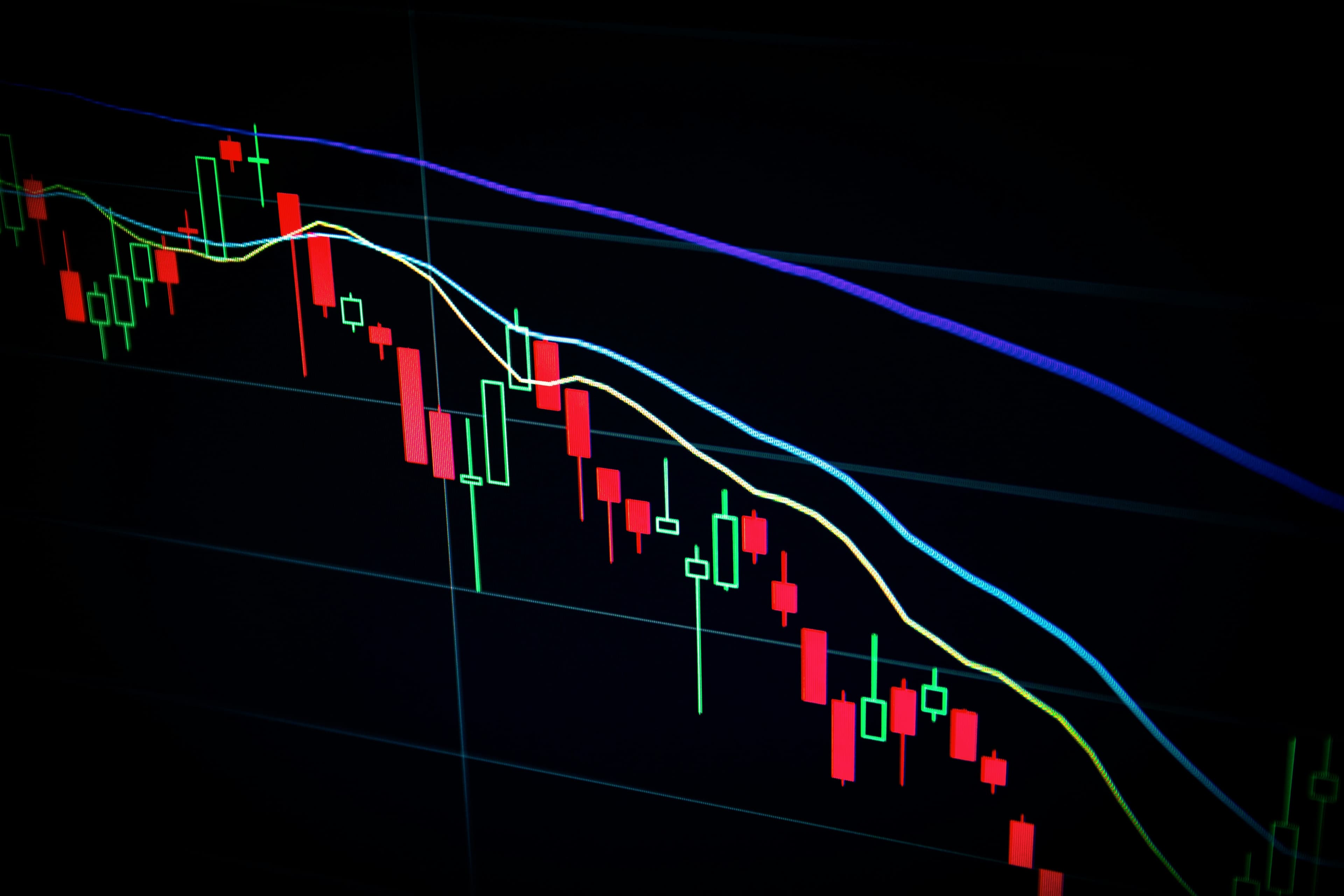
oil prices drive market anxiety
Oil has become the central variable shaping market sentiment. Traders expect supply disruptions to continue as tensions in the Middle East show no sign of easing. When crude prices climb above $100 and stay there, companies face rising input costs, from transportation to manufacturing. That squeezes margins and forces firms to either absorb losses or pass costs on to consumers.
Energy stocks have seen some support, but the broader market has not followed. Airlines, logistics firms, and consumer-focused companies have taken the hardest hit. Investors are adjusting their expectations for earnings as energy costs stay elevated longer than anticipated.
treasury yields climb on inflation fears
At the same time, U.S. Treasury yields have moved close to nine-month highs. Higher yields usually signal expectations of tighter monetary policy or persistent inflation. In this case, both factors are in play. Expensive energy feeds into transport, food prices, and services, making it harder for inflation to cool quickly.
When yields rise, borrowing costs follow. That affects corporate investment and consumer spending. Equity markets tend to react negatively because higher rates reduce the present value of future earnings. The current environment combines rising costs with tighter financial conditions, which is a difficult mix for stocks.
investor sentiment turns cautious
Market participants are moving toward safer assets. Some funds have shifted allocations into bonds or cash, waiting for clearer signals on oil supply and geopolitical developments. Volatility has picked up as traders respond quickly to headlines tied to the Iran conflict.
The lack of a ceasefire timeline adds uncertainty. Without clarity on when supply routes might stabilize, investors are left guessing how long oil prices will remain high. That uncertainty feeds into daily market swings and weakens confidence in short-term rallies.
what traders are watching next
Attention is now fixed on two factors: developments in the Iran conflict and upcoming economic data in the United States. Any signal of easing tensions could bring oil prices down quickly. On the other hand, strong inflation readings may push yields even higher, adding more pressure on equities.
For now, the S&P 500 remains under strain. A fifth weekly loss would confirm a sustained period of caution among investors, with energy prices and interest rates driving most of the movement.
AI Summary
Key insights from this article