RFK Jr. and USDA Secretary Rollins Release New U.S. Dietary Guidelines Emphasizing Whole Foods
The Dietary Guidelines for Americans don't usually make headlines. They get updated every five years, nutrition researchers debate the methodology, food industry lobbyists push back on anything that cuts into their market, and the final document lands somewhere safe enough to offend almost no one. The 2025–2030 edition, unveiled by HHS Secretary Robert F. Kennedy Jr. and USDA Secretary Brooke Rollins, is being pitched as something fundamentally different — a genuine break from decades of industry-influenced compromise. Whether it actually delivers on that framing is worth examining carefully.
The core message of the new guidelines is not complicated: eat whole foods, cut back on processed carbohydrates, avoid ultra-processed products, and drink less alcohol. None of those recommendations are scientifically controversial. What is notable is that a federal document is now saying them directly, without the usual softening language that previous editions deployed to avoid stepping on too many toes in the food and beverage industries.
What Has Actually Changed from Previous Editions
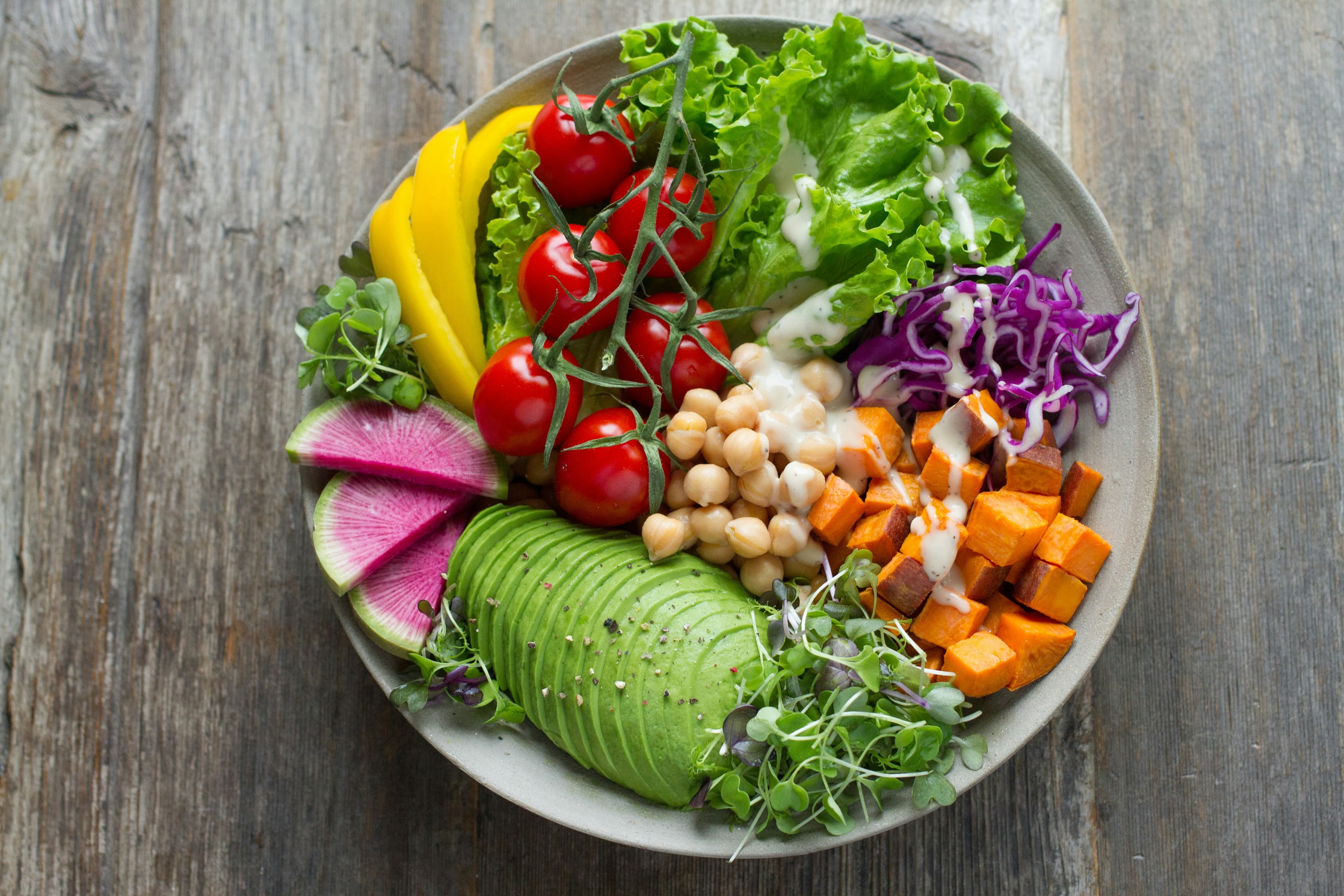
Previous editions of the Dietary Guidelines leaned heavily on nutrient-level language — talk of saturated fat limits, sodium thresholds, and recommended percentages of daily caloric intake from various macronutrient groups. That approach had a well-documented weakness: it allowed food manufacturers to reformulate products to hit the right numbers on paper while producing items that were still, by any practical measure, junk food. Low-fat cookies loaded with sugar are technically compliant with guidelines that only flag fat. That era of nutritional sleight of hand appears to be what the 2025–2030 edition is trying to move past.
The explicit targeting of ultra-processed foods as a category — rather than individual nutrients within them — represents a meaningful shift in framing. It aligns the federal guidelines more closely with the NOVA food classification system that nutrition researchers have increasingly used to study diet and health outcomes, and it makes the recommendation harder to game with selective reformulation.
The Alcohol Recommendation Is Getting Attention
The guidance on alcohol has already drawn significant reaction. Previous editions of the guidelines allowed for moderate drinking — defined as up to one drink per day for women and two for men — with language implying that moderate consumption carried minimal health risk. The new guidelines tighten that stance considerably, reflecting a growing body of research suggesting there is no truly safe level of alcohol consumption when it comes to certain cancer risks. That is a position the alcohol industry has vigorously contested, and the inclusion of stricter alcohol guidance in a federal document carries real policy weight.
It also fits within the broader Make America Healthy Again framing that RFK Jr. has been building since taking the HHS role. Whether one agrees with Kennedy's broader policy agenda or not, the alcohol guidance in particular reflects scientific consensus that has been building for years and that previous administrations were slower to act on.
The Processed Carbohydrate Question
Reducing processed carbohydrates is among the recommendations drawing the most discussion from nutritionists, because the category is broad and the evidence base somewhat more mixed than for ultra-processed foods generally. Whole grain bread and white sandwich bread are both carbohydrates; the degree to which they deserve to be treated as equivalent problems is genuinely debated in nutrition science. The guidelines' emphasis on the processed distinction rather than carbohydrates as a blanket category is important here — the target appears to be refined starches and added sugars rather than complex carbohydrates from whole food sources.
For the average American, whose diet already skews heavily toward refined grains and sugar-sweetened products, the practical implication is straightforward enough. Swap out the white bread, the sugary cereals, and the snack foods built around refined flour. That advice is not revolutionary — but having it stated plainly in federal nutrition policy, without hedging, is a shift worth noting.
How the Guidelines Actually Reach People
The Dietary Guidelines for Americans are not just a document for individuals — they are the foundation for federal nutrition programs including school lunches, the SNAP program, WIC, and feeding programs for older adults. When the guidelines change, the nutritional standards for those programs follow. That is where the real-world impact of this edition will be felt most directly, particularly for children in school nutrition programs and low-income families who rely on federal food assistance.
The gap between what the guidelines recommend and what Americans actually eat has always been wide. Publishing better guidance does not, on its own, change food environments, address affordability, or shift the marketing budgets that food companies spend pushing ultra-processed products at consumers. But it does set the standard that public institutions are supposed to meet, and it shapes the policy conversations that follow. For a document that usually plays it safe, the 2025–2030 edition has clearly decided to take a more direct stance — and the response from food industry groups over the coming months will be telling.
AI Summary
Generate a summary with AI