Regional Indian Cuisine, Especially Keralan Food, Emerging as Major U.S. Menu Trend in 2026
For a long time, Indian food in America meant one thing to most diners: butter chicken, naan, and a handful of North Indian standards that showed up on nearly identical menus from coast to coast. That version of Indian cuisine isn't disappearing, but it's being crowded out — and in some cities, outright overshadowed — by something far more interesting. Regional Indian food is having a genuine moment in the U.S., and Kerala is leading the charge.
Food industry research firm Datassential flagged regional Indian cuisine as one of the most significant culinary trends of 2026, and the evidence on the ground backs that up. Chai cafes with serious menus, Kerala-specific restaurants, Indian street food concepts, and even Indian wine bars are opening in cities that wouldn't have supported them five years ago. This isn't a niche movement anymore.
What Makes Keralan Food Different
Kerala sits at the southwestern tip of India, and its cuisine reflects a geography and history that has almost nothing in common with the North Indian food most Americans grew up eating at their local Indian restaurant. The cooking is built around coconut — coconut oil, coconut milk, freshly grated coconut — along with curry leaves, black pepper, mustard seeds, and seafood from the Arabian Sea. The flavors are bold but different in character from the cream-heavy, tomato-based gravies of the North. There's a brightness and depth to Keralan food that tends to surprise people encountering it for the first time.
Dishes like fish molee, appam with stew, Kerala prawn curry, and the elaborate banana-leaf feast known as a sadhya are finding audiences well outside the South Asian diaspora. Chefs who grew up cooking these dishes are increasingly confident bringing them to mainstream American diners without watering down the ingredient profiles or adjusting the spice levels to match outdated assumptions about what customers can handle.
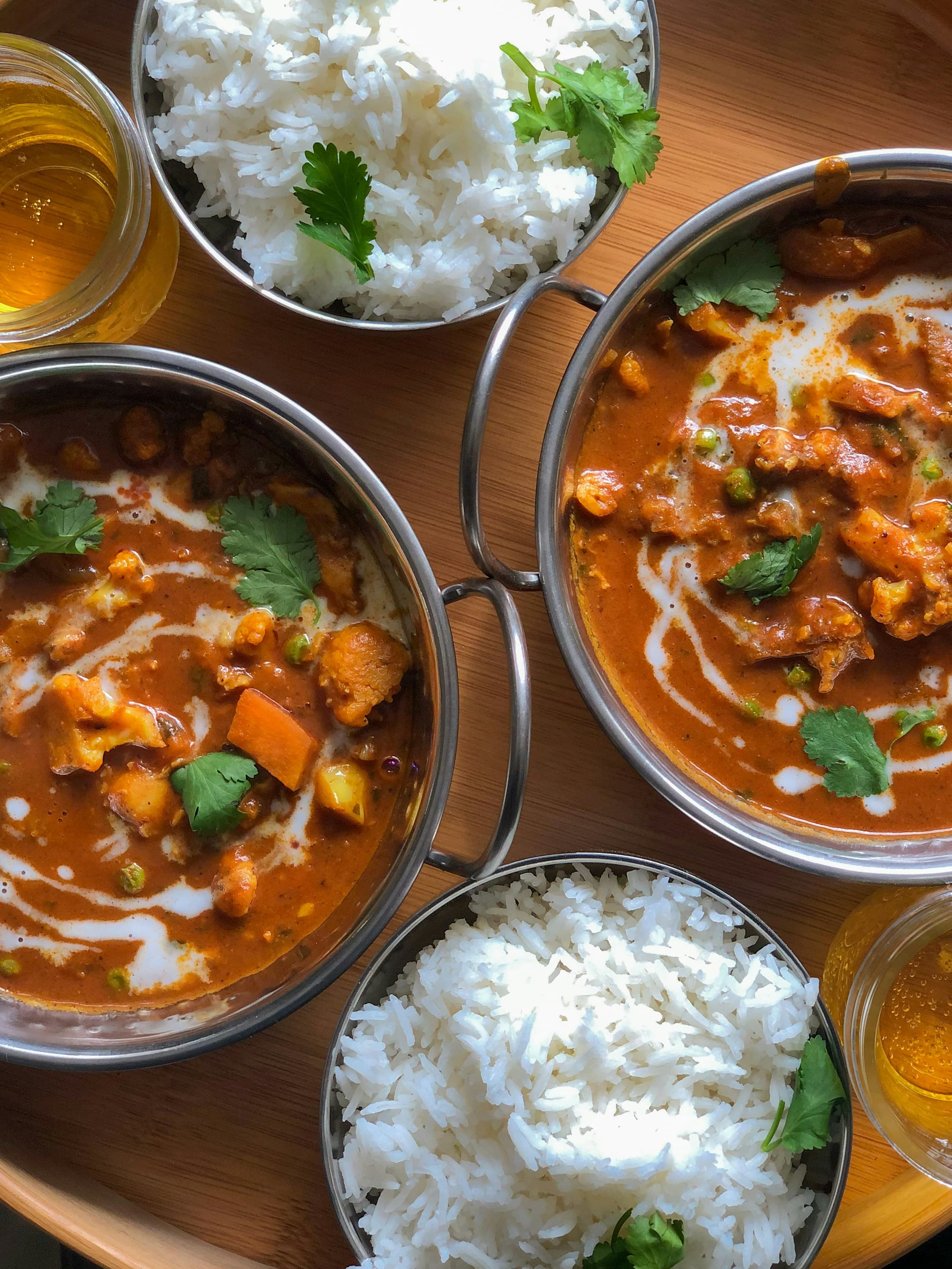
The Broader Shift: Beyond Butter Chicken
The rise of Keralan food is part of a wider recalibration happening across Indian restaurant culture in America. Second and third-generation Indian-American chefs and restaurateurs are opening concepts that reflect where they're actually from — Chettinad, Tamil Nadu, Maharashtra, Goa, Bengal — rather than defaulting to a pan-Indian menu designed to minimize unfamiliarity. The result is a restaurant landscape that's finally starting to reflect how genuinely varied Indian cuisine actually is.
Chai cafes deserve a specific mention here because they represent a different kind of format shift. Rather than full-service restaurants, these are often fast-casual or cafe-style operations built around masala chai, South Indian filter coffee, and snacks like vada, samosa chaat, and khari biscuits. They're approachable entry points for customers who might not be ready to sit down to a full Keralan meal but are curious about the flavors — and they're doing well in college towns and urban neighborhoods with younger demographics.
Indian Wine Bars and the Elevated Dining Angle
At the other end of the format spectrum, Indian wine bars are an emerging concept that would have seemed unlikely a decade ago. These are upscale, beverage-forward operations pairing Indian small plates and regional dishes with natural wines, craft cocktails built around Indian spirits, and curated wine lists. The concept leans into the reality that Indian food — especially the more acidic, seafood-forward dishes of the South and the spiced preparations of the West Coast — pairs remarkably well with wine when someone actually takes the time to think through the pairing.
A handful of these concepts have opened in New York, Los Angeles, and Chicago over the past year, and the reception has been strong enough that more are in the pipeline. They signal that Indian cuisine is being taken seriously at the fine-dining and elevated-casual tier in a way that has historically been reserved for European, Japanese, and more recently Korean and Mexican food.
Why This Trend Is Sticking
Food trends come and go, but the regional Indian movement has structural tailwinds behind it. The Indian-American population has grown substantially and is increasingly concentrated in cities with influential food cultures. Social media has given regional Indian chefs direct access to audiences that traditional restaurant PR never could. And American diners in general have spent the past decade developing a genuine appetite for more specific, less genericized versions of world cuisines — the same force that drove the boom in regional Mexican, regional Chinese, and regional Japanese food in the years before it.
Kerala won't be the end point of this trend. Tamil, Bengali, and Goan cuisines are all sitting right behind it in terms of menu appearances and restaurant openings. But for 2026, if you haven't found a good Keralan restaurant in your city yet, it's worth looking — because there's a decent chance one opened in the last six months.
AI Summary
Generate a summary with AI