Qualcomm introduces Snapdragon Wear Elite chips to power next-gen AI wearables
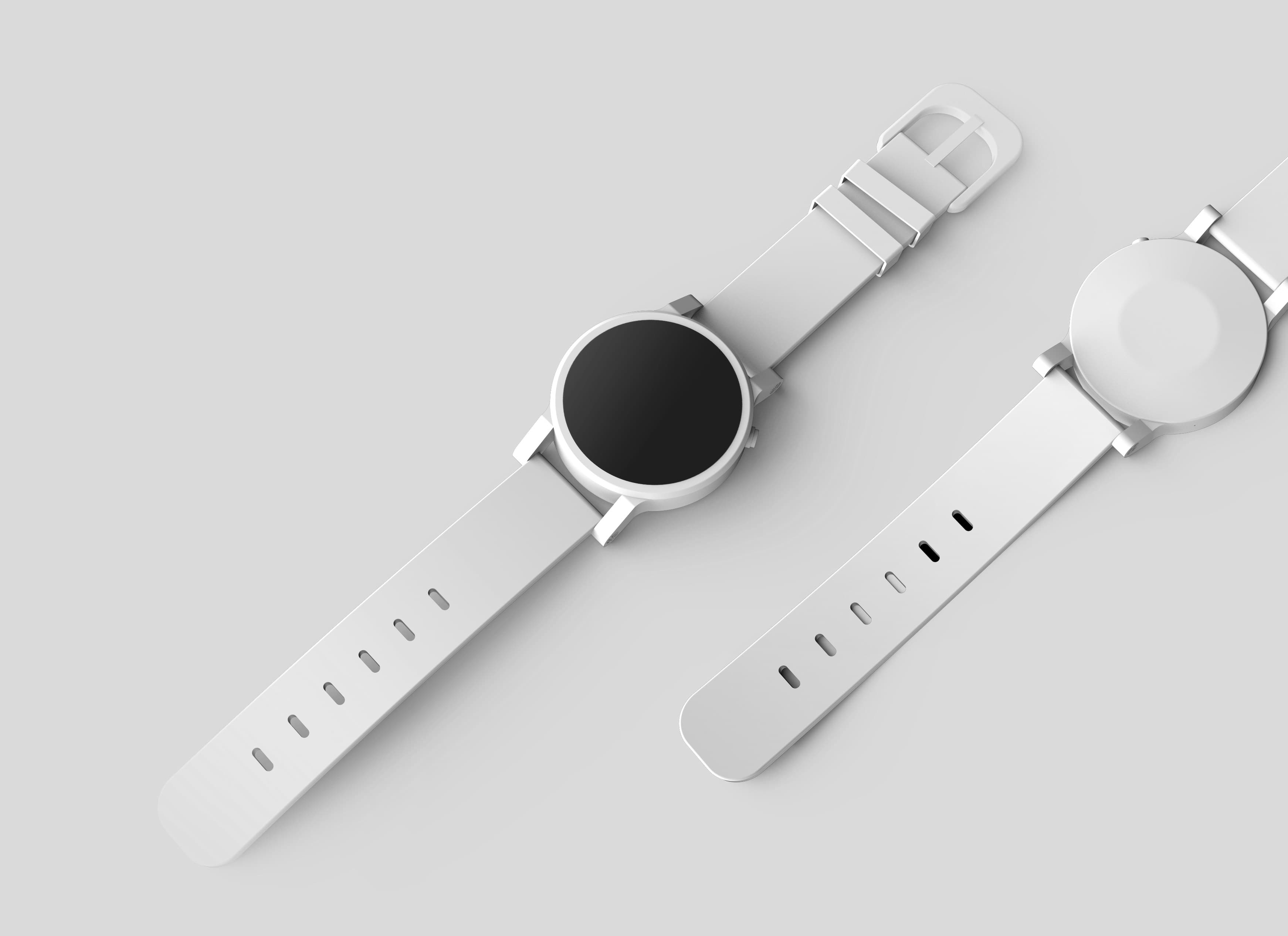
Qualcomm has announced the Snapdragon Wear Elite, a new chip platform built specifically for AI-enabled wearable devices. The announcement goes beyond the smartwatch category that previous Snapdragon Wear chips primarily targeted. Qualcomm is positioning this platform for a broader set of wearable form factors, including AI-powered earbuds, smart glasses, health monitors, and mixed-reality headsets designed for everyday wear.
The timing makes sense. The global wearables market was valued at approximately $95 billion in 2023 according to Grand View Research, and the health and AI assistant segments within it are growing faster than the smartwatch category that defined the previous decade. Chip makers that can get their silicon into the next generation of devices early tend to lock in design wins that last several product cycles.
What the Snapdragon Wear Elite actually does differently
The chip includes a dedicated neural processing unit designed for on-device AI inference. That matters because it means AI workloads, things like voice recognition, health data analysis, and real-time translation, run locally on the device rather than being sent to a cloud server. Lower latency, no dependency on a network connection, and better privacy for the user are the direct consequences of that architecture.
Qualcomm has not published the full NPU performance figures yet, but the company said the Wear Elite delivers roughly 2.5 times the AI processing performance of its predecessor, the Snapdragon W5 Gen 1, at comparable power draw. For a device that runs on a battery measured in milliamp hours rather than thousands of milliwatt hours, power efficiency is not a secondary concern. It is the primary constraint that every wearable chip designer works around.
Why wearables need their own AI chip category
Mobile processors like the Snapdragon 8 series are built for sustained performance in a device that can draw several watts continuously. Wearables operate under a completely different set of constraints. A smartwatch or a pair of AI glasses might have a 300mAh battery and needs to last a full day. Running a general-purpose mobile chip in that context would drain the battery in hours.
Previous Snapdragon Wear chips handled basic fitness tracking and notification mirroring adequately, but they were not designed to run large on-device AI models. The gap between what users expect from AI assistants on their phones and what was available on their wrists has been obvious for years. The Wear Elite is Qualcomm's attempt to close that gap without requiring a larger battery or a constant Bluetooth connection to a paired phone.
Health monitoring gets a direct hardware upgrade
One of the areas where the Wear Elite's on-device processing becomes immediately practical is continuous health monitoring. Processing a constant stream of sensor data, from heart rate variability to SpO2 to skin temperature, requires real compute. Doing it accurately enough to be clinically meaningful requires even more. Qualcomm has included dedicated sensor hub processing in the Wear Elite that can handle multiple health sensor inputs simultaneously while the main cores stay in a low-power state.
This architecture is similar to what Apple uses in its S-series chips inside the Apple Watch, where a low-power co-processor handles background health tasks while the main application processor sleeps. Qualcomm is bringing a comparable approach to the Android wearables ecosystem, which has historically lagged Apple Watch in health feature depth partly because of chip limitations in competing devices.
Who is building with Snapdragon Wear Elite
Qualcomm confirmed at the announcement that several device makers are already working with the Wear Elite platform. The company did not name specific OEM partners at launch, which is standard practice before products are ready to announce publicly. Given that Qualcomm's Wear chips have historically been used by Samsung, Fossil, Mobvoi, and other Android-based wearable manufacturers, those are the most likely early adopters.
The smart glasses category is worth watching specifically. Meta's Ray-Ban smart glasses, which run on a Snapdragon AR1 Gen 1 chip, sold faster than Meta initially projected after launch in late 2023. If AI glasses become a mainstream product category, the chip inside them will matter commercially in the same way that Snapdragon's dominance in Android phones has mattered for Qualcomm's revenue over the past decade.
The competitive pressure Qualcomm is responding to
Apple designs its own wearable silicon and is not a Qualcomm customer. Google has been developing its own chips for Pixel devices and has shown interest in building dedicated hardware for its wearable products. MediaTek, which supplies chips for a wide range of budget and mid-range wearables, has also been moving into AI-capable wearable silicon. Qualcomm's Wear Elite is a direct response to the risk that it gets squeezed out of a market it currently dominates at the premium end.
The first devices built on Snapdragon Wear Elite are expected to reach consumers in late 2025, based on typical timelines between chip announcements and commercial product launches in the wearables segment.
AI Summary
Generate a summary with AI


