Papa Johns Launches New Pan Pizza in Bid to Win First Michelin Star for a Pizza Chain
Papa Johns just did something no major pizza chain has really tried before — it looked Michelin in the eye and said, why not us? The launch of its new Pan Pizza comes wrapped in a marketing campaign that frames the question of fine dining recognition as an open one, arguing that exceptional pizza deserves the same critical respect as a tasting menu at a white-tablecloth restaurant. It's a bold swing, and whether it lands commercially or not, it's already changing how people are talking about the brand.
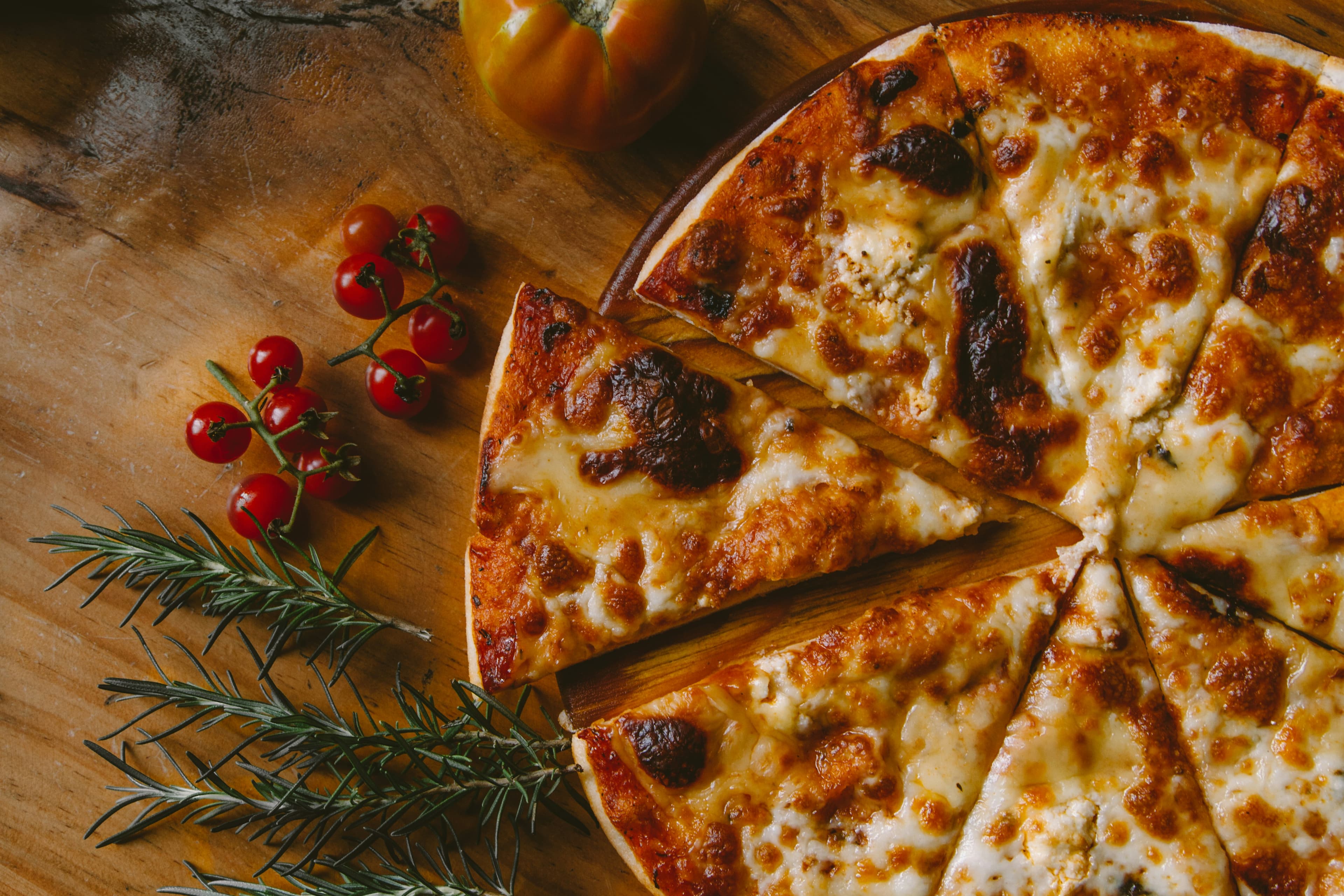
The Pan Pizza Itself
Pan pizza as a format has a long history in American fast food, but Papa Johns is positioning this version as something more considered than the typical chain offering. The crust is engineered for a specific texture — crisp on the bottom, pillowy through the middle — which is harder to achieve consistently at scale than it sounds. Getting that result reliably across thousands of franchise locations is a real operational challenge, and it's the kind of detail that tends to separate a genuine product launch from a marketing exercise.
The company has been leaning into ingredient quality as a brand pillar for years, and the Pan Pizza is meant to be the most visible expression of that positioning. Fresh dough, a specific sauce profile, and topping ratios that are meant to hold up through the bake — these aren't revolutionary ideas, but they're the right things to focus on if you're trying to make a credible quality argument.
The Michelin Angle Is Provocative by Design
The Michelin Guide has never awarded a star to a pizza chain. That's not really a secret or a scandal — Michelin's criteria are built around fine dining traditions that chain restaurants structurally can't meet, things like singular chef vision, intimate scale, and the kind of service experience that doesn't happen at a counter with a receipt number. Papa Johns knows this. The campaign isn't a genuine expectation of recognition. It's a conversation starter.
By framing the launch as a love letter to pizza culture and invoking Michelin in the same breath, Papa Johns is doing two things at once. It's generating press — which is working, evidently — and it's subtly repositioning the brand away from the discount-driven, coupon-clipping image that has plagued most major pizza chains for years. The implicit message is that Papa Johns thinks about food seriously, even if its price point and format don't fit a fine dining mold.
Why Repositioning Matters Right Now
Papa Johns has had a complicated few years. The brand went through a very public leadership crisis, spent significant energy rebuilding its internal culture, and has been working to stabilize same-store sales in a pizza category that's more competitive than ever. Domino's built a technology and logistics empire. Pizza Hut has been restructuring its franchisee base. And independent pizzerias — buoyed by the artisan food movement and delivery app visibility — have taken real market share from chains.
In that context, a quality-first repositioning isn't vanity. It's strategy. Consumers who might default to a local pizzeria or a fast-casual option need a reason to choose Papa Johns specifically, and competing purely on price against Domino's is a race the brand doesn't want to run. Anchoring the identity around ingredient quality and pizza craftsmanship — even if that craftsmanship happens inside a franchise kitchen — gives the brand a more defensible position.
The Limits of the Michelin Argument
There's an obvious tension in a national chain invoking fine dining credentials. Michelin stars are granted to places where the experience is unrepeatable elsewhere — the whole point is specificity and craft at a particular address. Papa Johns, by definition, is the opposite of that. Consistency across locations is the product. That's not a criticism, it's just a different category of food business, and conflating the two risks coming across as tone-deaf to the people who care most about the Michelin distinction.
The campaign works better as cultural commentary than as a literal claim. If Papa Johns is saying that great pizza — wherever it's made — deserves appreciation, that's a sentiment most pizza lovers can get behind. If it's saying a chain pizza should actually be considered for a Michelin star, that's where the argument loses credibility fast. The marketing team seems aware of this line, which is why the campaign leans into irreverence rather than sincerity.
What Success Actually Looks Like Here
Papa Johns doesn't need a Michelin star for this campaign to work. It needs the Pan Pizza to drive trial, retain customers, and shift brand perception enough to support premium pricing without triggering sticker shock. If the product delivers on what the marketing promises — a noticeably better pan pizza experience than what competitors offer — then the Michelin framing will be remembered as clever. If the pizza underwhelms, no amount of bold advertising rescues it.
That's ultimately the test for any QSR product launch dressed up in premium language. The story can get people to try it once. The pizza has to do the rest.
AI Summary
Generate a summary with AI