New oral pill enlicitide cuts LDL cholesterol by 60% in major clinical trial
A cholesterol-lowering pill called enlicitide has produced results that cardiologists have been waiting years for. In a large-scale clinical trial, the drug reduced LDL cholesterol by roughly 60 percent. That puts it on par with PCSK9 inhibitors like evolocumab and alirocumab, the injectable biologics that currently represent the most effective LDL-lowering option available. The difference is that enlicitide is taken orally, once daily, with no needle required.
That distinction matters more than it might seem. Injectable therapies for cholesterol already exist and work well. The problem is that a significant portion of patients who are prescribed them either never start or stop within the first year. A pill changes that equation for many people.
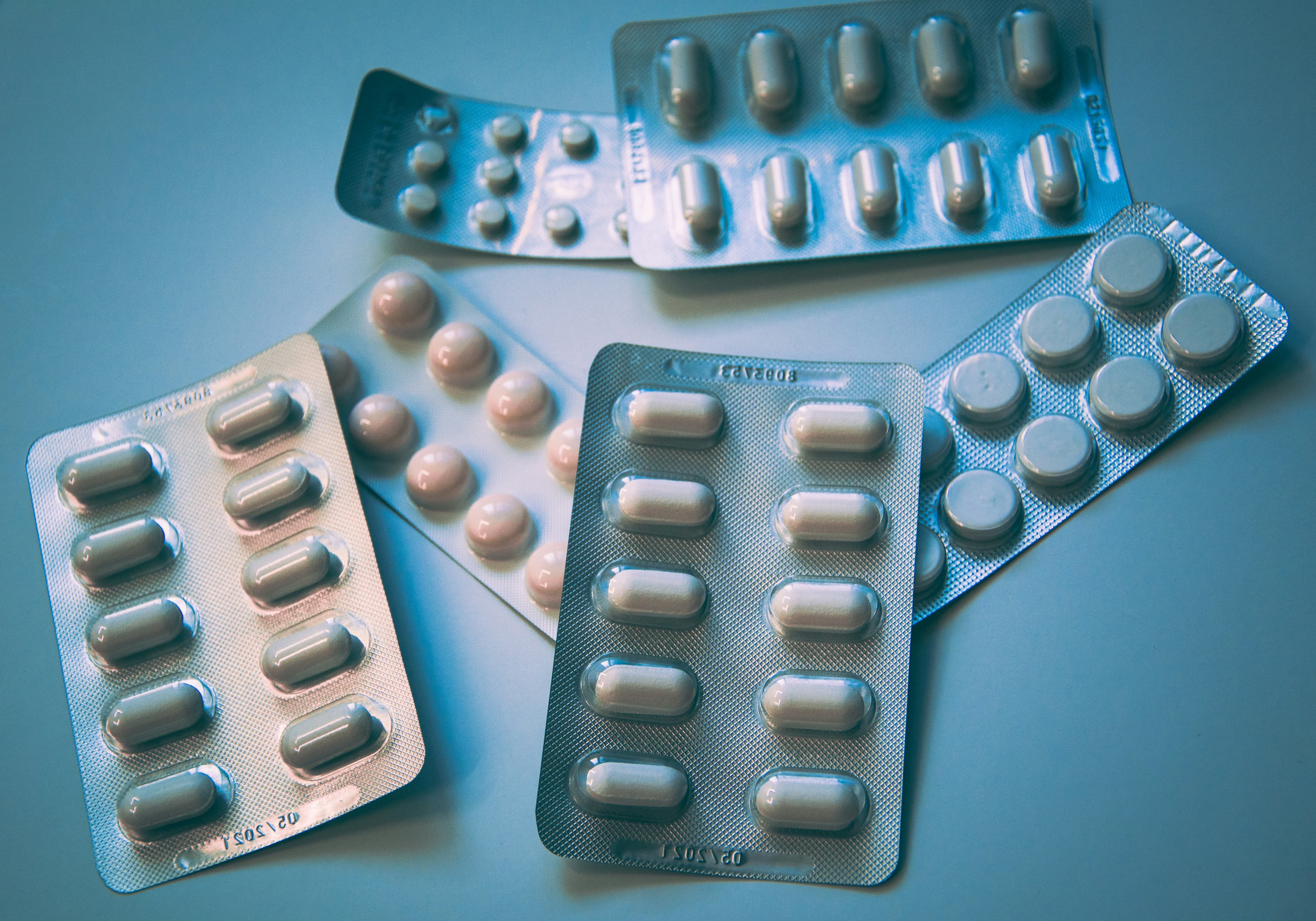
How enlicitide works to lower LDL
Enlicitide targets the PCSK9 pathway, the same mechanism used by the existing injectable drugs. PCSK9 is a protein that degrades LDL receptors on liver cells. When PCSK9 activity is reduced, more LDL receptors remain on the liver surface, and more LDL cholesterol is pulled out of the bloodstream and cleared. The result is a measurable drop in circulating LDL.
What makes enlicitide different from earlier attempts to create an oral PCSK9 inhibitor is how it survives the digestive process. Biologics like evolocumab are proteins that would be broken down in the stomach if swallowed. Enlicitide uses a small molecule design that allows it to inhibit PCSK9 activity without being degraded before it reaches systemic circulation. Previous small molecule approaches to this target showed limited potency; the trial data suggests enlicitide has cleared that bar.
What the trial measured and the results it produced
The trial enrolled patients with elevated LDL who were already on statin therapy but had not reached their target cholesterol levels. Statins are the standard first-line treatment for high cholesterol, reducing LDL by around 30 to 50 percent depending on dose and individual response. Adding enlicitide on top of statin therapy produced an additional LDL reduction of approximately 60 percent from baseline, bringing most participants well below guideline-recommended targets for high-risk cardiovascular patients.
For context, the American College of Cardiology and American Heart Association recommend an LDL target below 70 mg/dL for patients at high cardiovascular risk, and below 55 mg/dL for those with established heart disease. Many statin-treated patients do not reach those thresholds. The trial data showed that a substantial proportion of enlicitide-treated participants crossed below both benchmarks.
The safety profile in the trial was reported as comparable to placebo, with no significant increase in liver enzyme elevation, muscle-related side effects, or other adverse events that have historically complicated cholesterol drug development. That finding will require independent replication, but it is the kind of clean safety signal that accelerates regulatory timelines.
The adherence problem that enlicitide could actually solve
Cardiovascular disease remains the leading cause of death globally, and elevated LDL is one of the most modifiable risk factors. The treatment gap is not primarily a matter of drug efficacy. Statins work. Injectable PCSK9 inhibitors work even better. The gap is adherence.
A 2022 analysis published in the Journal of the American College of Cardiology found that fewer than 60 percent of patients prescribed PCSK9 inhibitor injections were still taking them after 12 months. Reasons include injection anxiety, the inconvenience of biweekly or monthly dosing schedules, and cost, since these drugs are priced above $5,000 per year in the United States without insurance coverage. An oral pill at competitive pricing would remove two of those three barriers immediately.
Statin adherence data offers a useful comparison. Statins, taken as a daily pill, have long-term adherence rates closer to 70 to 75 percent in managed care populations, meaningfully higher than injectable alternatives. If enlicitide follows a similar adherence curve, the real-world LDL reduction it produces across a population could exceed what injectable PCSK9 inhibitors currently deliver in practice, even if the per-patient efficacy is equivalent.
Where enlicitide sits in the existing treatment landscape
The current standard for patients who need LDL lowering beyond what statins provide is a choice between ezetimibe, a once-daily pill that reduces LDL by about 15 to 20 percent, and injectable PCSK9 inhibitors, which achieve the 50 to 60 percent range. There is a large gap between those two options in terms of potency, and it has not had an oral drug filling it.
Inclisiran, approved by the FDA in 2021, is a small interfering RNA therapy injected twice per year that also targets PCSK9. It offers the convenience improvement of less frequent dosing but still requires administration in a clinical setting, which limits uptake in primary care. Enlicitide, if approved, would be the first oral therapy capable of delivering PCSK9-level LDL reduction at home.
What happens before enlicitide reaches patients
The trial results published ahead of full peer review are phase 2 data, which establish efficacy and dose range but are not sufficient for regulatory approval on their own. A phase 3 trial, enrolling thousands of patients and measuring cardiovascular outcomes including heart attack and stroke rates rather than just LDL numbers, is required before the FDA or EMA will consider an approval application.
Phase 3 cardiovascular outcome trials typically run for three to five years. If the drug's developer initiates a phase 3 program in 2025 or 2026, a regulatory submission could realistically arrive in the 2029 to 2031 window, assuming the outcome data supports the LDL findings seen in phase 2. The full phase 2 results are scheduled for presentation at the American Heart Association Scientific Sessions in November 2026.
AI Summary
Generate a summary with AI

