Nikkei 225 Plunges Over 5% as Oil Prices Surpass $100 a Barrel Amid Middle East War
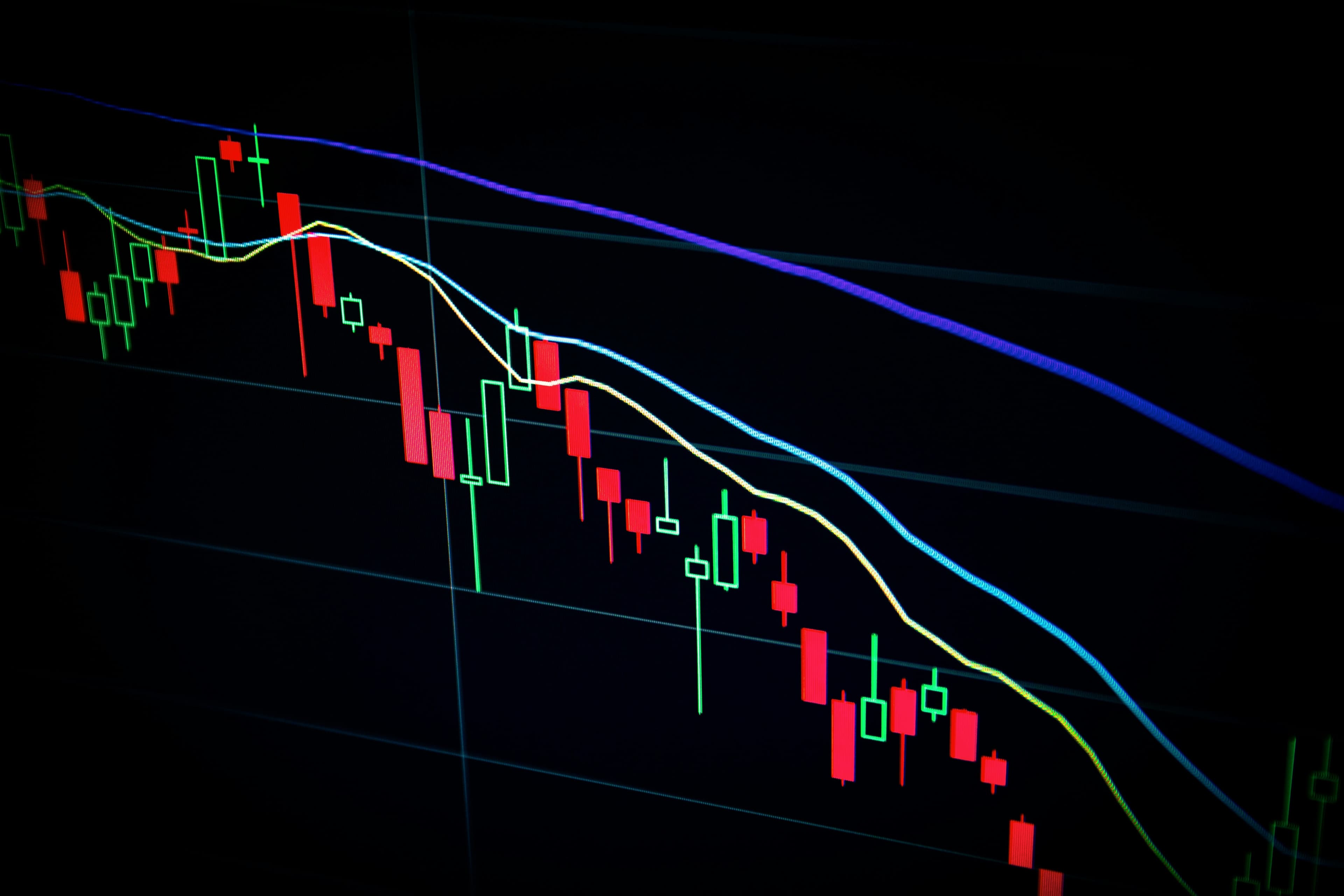
A hundred dollars a barrel. That number carries a specific kind of dread in financial markets, and crude oil crossed it again this week as the US-Israel war with Iran continued to choke shipping through the Strait of Hormuz. The immediate casualty was Japan's Nikkei 225, which shed more than five percent in a single session — its worst single-day drop in months. For a country that imports virtually all of its oil, Japan is uniquely exposed to exactly this kind of shock, and traders wasted no time pricing that vulnerability in.
Why the Strait of Hormuz Matters So Much
The Strait of Hormuz is the world's single most important oil chokepoint. Roughly twenty percent of global petroleum liquids pass through it on any given day, moving from Gulf producers like Saudi Arabia, Iraq, Kuwait, and the UAE to markets in Asia, Europe, and beyond. When that passage becomes dangerous or effectively closed — as it has during the current conflict — the entire global energy supply chain tightens simultaneously. Tanker operators are either refusing to transit the strait entirely or demanding war-risk premiums that sharply inflate the delivered cost of every barrel.
Japan sits at the far end of this supply chain and has almost no buffer. The country has minimal domestic oil production and relies on Middle Eastern crude for the overwhelming majority of its energy imports. When Hormuz disruptions push Brent crude past a hundred dollars, Japan faces both a direct cost increase on every barrel it buys and a broader economic drag from the energy inflation that ripples through manufacturing, transport, and utilities.
What Drove the Nikkei's Five Percent Drop
The selloff was broad but not random. Energy-intensive industries took the hardest hits — airlines, shipping companies, petrochemical firms, and automobile manufacturers all saw significant declines as investors recalculated margin assumptions at triple-digit oil prices. The yen also weakened against the dollar during the session, which adds another layer of import cost pressure since Japan buys oil in US dollars. A weaker yen means each barrel costs even more in local currency terms, compounding the pain.
Technology stocks were not immune either. Japan's semiconductor and electronics manufacturers depend on stable energy costs for their fabrication facilities, and several of the Nikkei's largest components by market capitalization are in that sector. When energy uncertainty spikes this sharply, the knock-on effects reach well beyond the obvious energy-linked names.
The Wider Asian Market Reaction
Japan was not alone. South Korea's KOSPI fell sharply, with heavyweight exporters like Samsung and Hyundai under pressure as the energy cost outlook deteriorated. Hong Kong's Hang Seng and several Southeast Asian indices also posted significant losses. The common thread is energy import dependency — most major Asian economies outside of Australia and parts of the Middle East buy more energy than they produce, which means an oil price spike of this magnitude hits all of them at roughly the same time.
China is a partial exception in that it has been buying discounted Russian crude in large volumes, insulating itself somewhat from Hormuz-linked price spikes. But Chinese equities still fell on concerns about global demand slowdown and the downstream effects on Chinese export markets in Europe and North America, where consumers are already dealing with their own energy-driven inflation.
How Long Can This Last
That is the question every energy desk and equity strategist is working through right now. Oil above a hundred dollars is sustainable for weeks, perhaps a couple of months, before it starts actively destroying demand — businesses cut consumption, consumers drive less, manufacturers delay energy-intensive production runs. Historically, demand destruction eventually brings prices back down even without a supply resolution. But the timeline matters enormously. If the Strait of Hormuz remains disrupted through the summer, the global economy faces a prolonged stagflationary squeeze that central banks have very few good tools to address.
For Japan specifically, the government will be watching its strategic petroleum reserves closely and may coordinate with the International Energy Agency on a coordinated release if prices stay elevated. That kind of intervention can take some edge off the market, but it is a temporary measure. The underlying problem is geopolitical, and until there is some de-escalation in the Iran conflict, energy markets are going to stay on edge — and so will the Nikkei.
AI Summary
Generate a summary with AI