New Research Links Cocaine Use to Lasting Rewiring of Brain's Reward-Memory Communication
Anyone who has watched someone struggle with cocaine addiction knows the painful contradiction at its core: the person wants to stop, understands the consequences, makes genuine efforts to quit, and keeps returning anyway. For decades, that pattern was explained — and judged — as a failure of will. New research from Michigan State University adds to a growing body of evidence that this framing is not just unkind, it is neurologically wrong. Repeated cocaine use causes durable biological changes in the communication pathways between the brain's reward system and its memory centers, changes that persist after use stops and that help explain why relapse remains so common even in people who are genuinely committed to recovery.
The specific finding involves the communication between the nucleus accumbens — the brain's primary reward hub — and the hippocampus, the region most critical for forming and retrieving memories. In a brain that has been repeatedly exposed to cocaine, this communication pathway is structurally altered. The synaptic connections between the two regions are rewired in ways that link drug-associated memories to the reward circuitry more strongly than normal, and that bias the system toward drug-seeking behavior even when the conscious mind is oriented toward abstinence. Understanding the biology of this rewiring is a prerequisite for developing treatments that can reverse or work around it.
The Nucleus Accumbens and Why It Is Central to Addiction
The nucleus accumbens sits at the junction of the limbic system and the basal ganglia, positioned to integrate emotional signals, memory cues, and motor outputs into motivated behavior. When something rewarding happens — eating, sex, social connection, accomplishment — the nucleus accumbens receives a surge of dopamine from the ventral tegmental area, reinforcing the behaviors that led to the reward and motivating their repetition. This is the basic mechanism of learning through reward, and it is essential to normal behavioral adaptation.
Cocaine works by blocking the reuptake of dopamine at synapses throughout the brain, including in the nucleus accumbens, producing a dopamine surge far larger and faster than any natural reward. The brain experiences this as an extraordinarily powerful reward signal, and the learning mechanisms that normally help us repeat beneficial behaviors respond by encoding the drug experience and its associated cues with unusual intensity and durability. This is not a metaphor — the synaptic changes that accompany this encoding are physically measurable, and the Michigan State research adds significant detail to the picture of what those changes look like in the reward-memory circuit specifically.
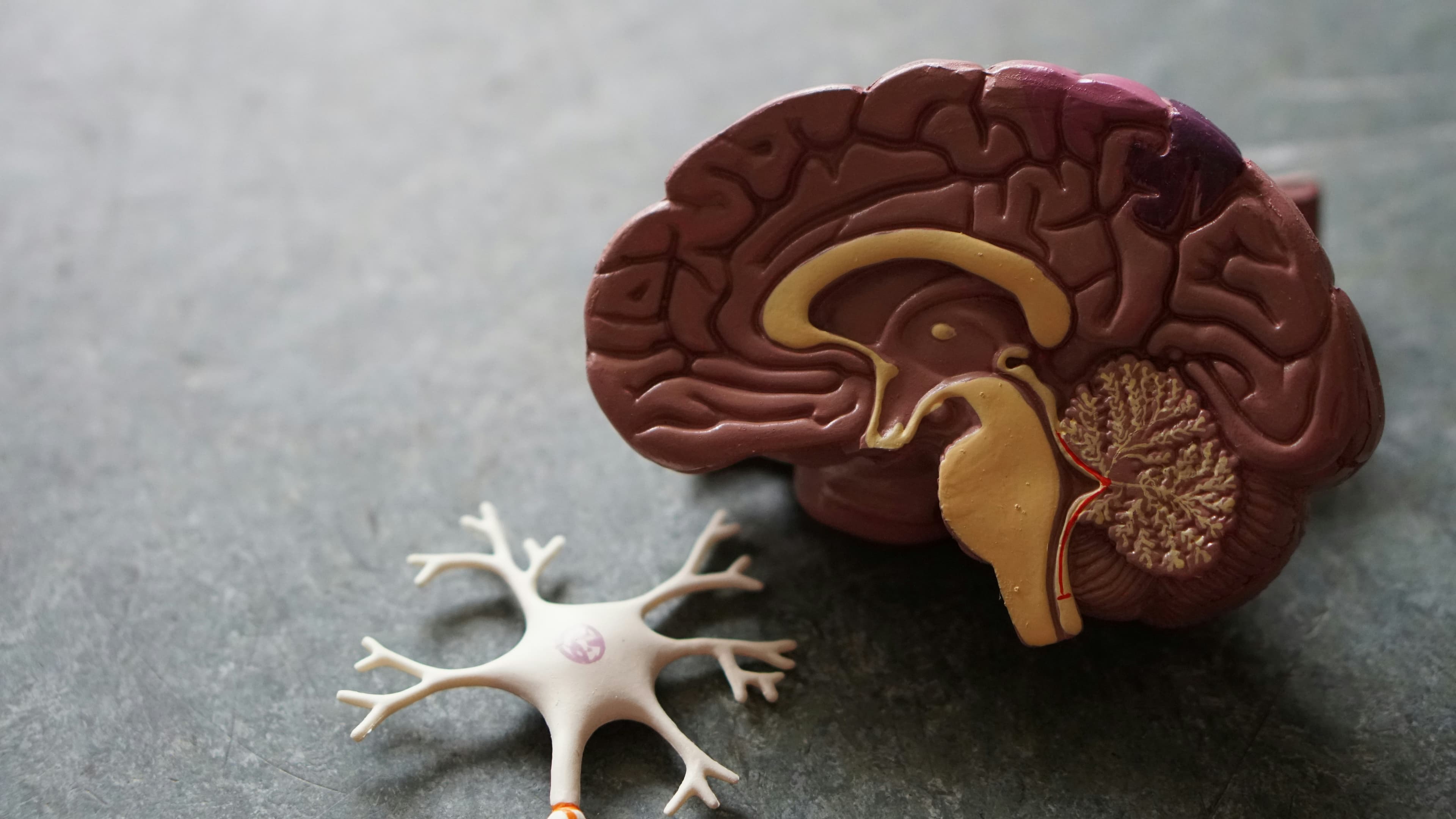
What the Hippocampus Contributes to Addiction
The hippocampus is best known for its role in forming new declarative memories — the kind that can be consciously recalled and described. But it also plays a critical role in contextual memory, the encoding of the environments, sensory cues, emotional states, and situational details that surround experiences. This contextual memory function is directly relevant to addiction, because relapse is so frequently triggered by context: returning to a neighborhood where drug use occurred, encountering people associated with past use, experiencing emotional states that were reliably paired with drug use.
When the hippocampus retrieves a contextual memory associated with drug use, it communicates with the nucleus accumbens, and if the connectivity between these regions has been strengthened and reorganized by prior cocaine exposure, that communication produces a stronger motivational pull toward drug-seeking than would exist in a brain without that history. The person experiencing this may consciously recognize the cue and the craving it triggers, but the strength of the neurological signal the cue activates can overwhelm prefrontal control mechanisms — the parts of the brain responsible for inhibiting impulses and evaluating long-term consequences.
The Michigan State researchers specifically examined the glutamate synapses — excitatory connections that drive communication between neurons — in the hippocampal projections to the nucleus accumbens. They found that cocaine exposure produced lasting changes in the density and composition of these synapses, changes that persisted through a period of abstinence rather than normalizing when drug use stopped. That persistence is important. It means the rewiring is not simply a response to the presence of cocaine in the system but a durable structural adaptation that the brain maintains even in the drug's absence.
The Neuroscience of Craving and Why Willpower Alone Is Not Enough
The concept of willpower maps reasonably well onto decisions that engage the prefrontal cortex — deliberate, reflective choices where the consequences of different options can be weighed and where the prefrontal inhibitory systems are operating under normal conditions. Willpower is relevant to addiction in the sense that prefrontal engagement does support abstinence and recovery. But it is not the whole story, and research like the Michigan State findings explain why.
When a drug-associated cue activates the rewired hippocampus-to-accumbens pathway, the resulting motivational signal is generated subcortically — below the level of conscious deliberation — and with a speed and intensity that the prefrontal cortex has to actively work to counter. This is physiologically taxing, and the resources for sustained prefrontal inhibitory control are finite. Stress depletes them. Sleep deprivation depletes them. Other cognitive demands compete for them. The person in early recovery is trying to oppose a powerful, persistent, subcortical drive using a cortical resource that is depleted by the very conditions that accompany recovery — stress, disrupted sleep, emotional dysregulation, life instability.
This is not an excuse for drug use or a counsel of hopelessness about recovery. Many people do achieve sustained recovery from cocaine addiction, and behavioral therapies, structured environments, and support networks all demonstrably help by reducing exposure to triggering cues and strengthening prefrontal engagement with the recovery process. But the neuroscience explains why recovery is hard even for motivated people, and why relapse in the early stages is so common. It also explains why punishment-based approaches to addiction — approaches designed to deter drug use through consequences — have limited effectiveness against a behavior that is substantially driven by subcortical neurological processes rather than purely by rational calculation.
What the Findings Mean for Treatment Development
There is currently no FDA-approved medication for cocaine use disorder — a gap that stands in stark contrast to the availability of effective pharmacological treatments for opioid and alcohol use disorders. Part of the difficulty in developing cocaine pharmacotherapy is the complexity of cocaine's mechanism of action and the multiple neurotransmitter systems it affects simultaneously. Research that precisely identifies which synaptic changes in which specific circuits underlie the persistence of cocaine-associated learning gives drug developers more precise targets to work with.
The glutamatergic synapses in the hippocampal-to-accumbens pathway identified in the Michigan State work are an example of a specific molecular target. If those synapses can be pharmacologically modulated — their strength reduced or the encoding of drug-associated memories interfered with — it might be possible to reduce the power of cue-triggered cravings without broadly suppressing the memory or reward systems that are essential for normal functioning. Several compounds that modulate glutamate signaling are already in various stages of investigation for addiction, and findings like these help prioritize which circuits and which receptor subtypes deserve the most attention.
Neurostimulation approaches are another area where circuit-level research like this is directly relevant. Transcranial magnetic stimulation applied to the prefrontal cortex has shown some early promise in reducing cocaine cravings in clinical studies, and understanding precisely which downstream circuits are being modulated by that stimulation helps optimize targeting. If the hippocampus-to-accumbens pathway is a key driver of craving, approaches that strengthen or bypass prefrontal inhibition of that pathway become better-defined targets for both pharmacological and neurostimulation interventions.
The Larger Case for Treating Addiction as a Brain Disease
The brain disease model of addiction has been both influential and contested since it was prominently articulated by the National Institute on Drug Abuse in the 1990s. Critics have argued that the model overemphasizes biological determinism, undervalues the role of choice and social context, and has not delivered the pharmacological breakthroughs its proponents promised. These are fair critiques of how the model has sometimes been applied and communicated. But none of them undermine the core neuroscientific observation that addiction involves durable changes in brain structure and function — changes that the Michigan State research adds measurable detail to.
The practical stakes of getting this right are high. Cocaine use disorder affects millions of people globally, with particular concentrations of harm in communities already experiencing economic and social marginalization. Treatment systems that frame cocaine addiction primarily as a moral failure tend to produce interventions centered on punishment and shame — incarceration, coercive treatment, social ostracism — that the evidence consistently shows to be less effective at reducing drug use and more damaging to health and social outcomes than evidence-based treatment approaches. Neuroscience that makes the biological reality of addiction more concrete and specific provides an empirical foundation for the policy and clinical arguments that more effective, less punitive approaches require.
None of this means that individuals bear no responsibility for the choices involved in drug use, or that social and environmental factors do not play enormous roles in both vulnerability to addiction and the conditions necessary for recovery. The neuroscience does not replace those dimensions — it sits alongside them, providing a biological layer of explanation for phenomena that social and psychological frameworks alone cannot fully account for. The Michigan State findings are one more piece of a picture that is becoming progressively clearer: addiction is something that happens in the brain, to the brain, and treatments designed with that reality in mind are more likely to work than those designed around a different premise.
AI Summary
Generate a summary with AI