New HIV Cure Approach Forces Hidden Virus to Trip Immune Sensor
Antiretroviral therapy has transformed HIV from a death sentence into a manageable chronic condition for millions of people. But it hasn't cured anyone — at least not in any scalable, accessible way. The fundamental problem is that HIV doesn't disappear when antiretroviral drugs suppress it. It hides. The virus integrates itself into long-lived immune cells, goes dormant, and waits — invisible to both the drugs and the body's own defenses. A new research approach is targeting that hiding strategy directly, using a method that forces latent HIV to activate in a way that trips the immune system's own detection machinery.
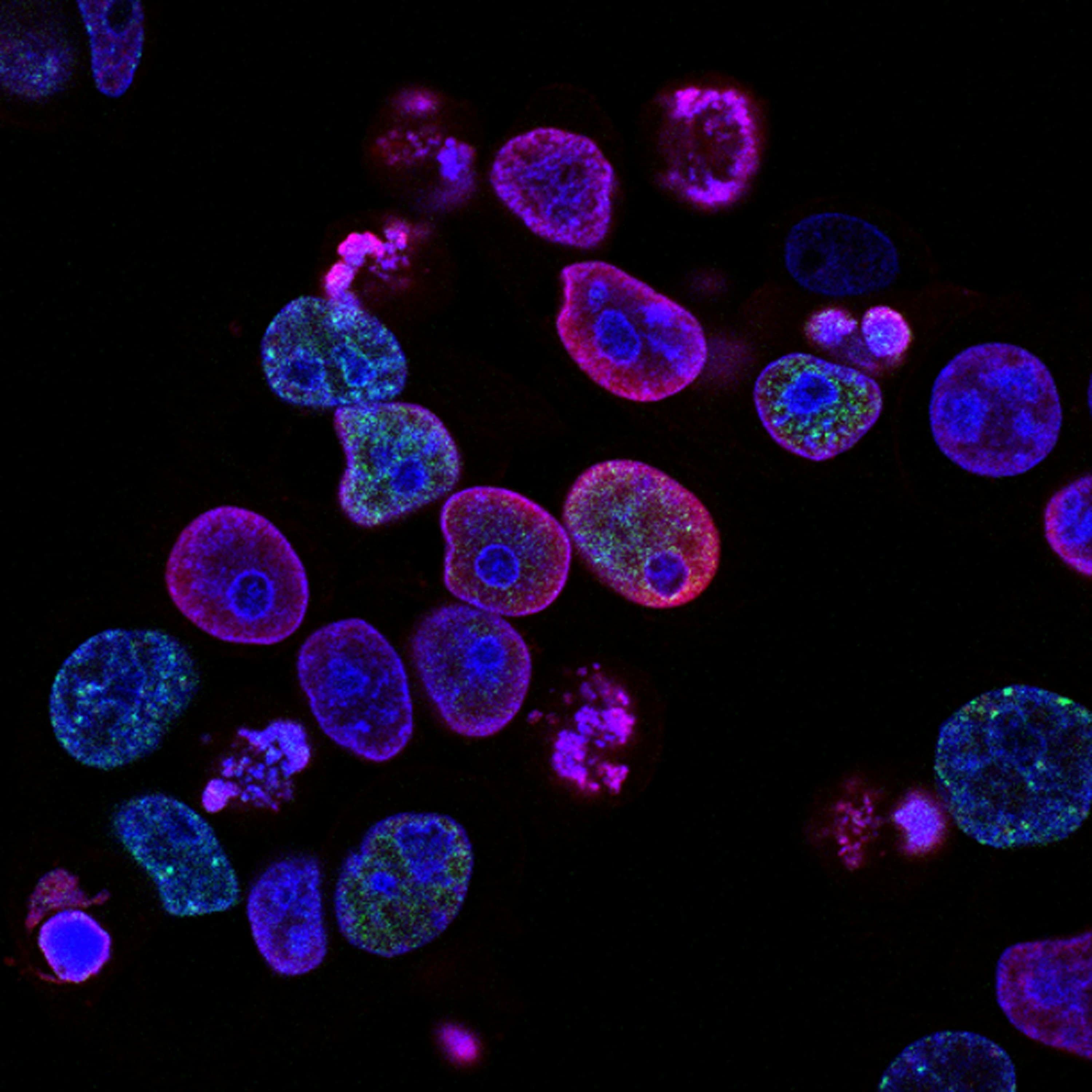
The Latent Reservoir Problem
HIV's ability to establish a latent reservoir is the central obstacle to a cure. When the virus infects a CD4+ T cell — one of the immune system's key coordination cells — it sometimes integrates its genetic material into the cell's DNA without actively replicating. In that dormant state, the infected cell looks completely normal from the outside. Antiretroviral drugs work by blocking viral replication and preventing new infections, but a virus that isn't replicating gives them nothing to block.
Those dormant infected cells can persist for decades. When antiretroviral therapy is interrupted, the reservoir reactivates and viral levels rebound — sometimes within weeks. That's why people living with HIV need to take medication indefinitely. The reservoir refills the blood as soon as the drugs stop. Any genuine cure strategy has to address the reservoir, not just the circulating virus.
The Shock and Kill Strategy — and Its Limits
The concept of flushing out latent HIV has been pursued under a framework called shock and kill for years. The idea is to use latency-reversing agents to activate dormant infected cells — forcing them to start producing viral proteins — which then makes them visible and targetable by the immune system or by antiretroviral drugs. It's a logical approach, but executing it reliably has proven difficult. The latency-reversing agents tested so far have either been insufficiently potent, too broadly toxic, or unable to activate enough of the reservoir to make a meaningful dent.
The key frustration has been visibility. Even when latent HIV is coaxed into producing some viral material, the immune system often fails to recognize and kill the infected cells effectively. The new approach addresses this directly by engineering the activation process so that the virus doesn't just become slightly active — it trips a specific innate immune sensor called cGAS-STING, which acts as an alarm system for foreign genetic material inside cells.
How the cGAS-STING Sensor Changes the Equation
The cGAS-STING pathway is part of the innate immune system — the body's first-response detection system for cellular threats. When cGAS detects double-stranded DNA in the cytoplasm of a cell where it shouldn't be, it triggers STING to initiate an inflammatory response and signals for the cell to be destroyed. HIV's latency strategy partly works because the virus manages to hide its genetic material in a way that avoids tripping this sensor.
The new approach uses a mechanism that forces activated HIV to produce DNA intermediates in a form and location that cGAS can detect. Instead of just waking the virus up quietly, the method effectively sounds the alarm at the same time — making the infected cell immediately recognizable as a threat. The immune system then has both the signal and the opportunity to eliminate it. Early results suggest this dual activation of the virus and the immune alert system is meaningfully more effective than previous latency-reversal approaches at actually clearing infected cells.
Functional Cure vs. Sterilizing Cure
The language around HIV cures distinguishes between a sterilizing cure — complete elimination of all viral genetic material from the body — and a functional cure, where the virus is suppressed to levels that cause no disease and cannot be transmitted, without requiring ongoing medication. The new approach is being framed as a potential path to a functional cure, which is the more realistic near-term goal.
A functional cure would be transformative. The millions of people currently on lifelong antiretroviral therapy would potentially be freed from daily medication, from ongoing monitoring requirements, and from the residual stigma and health complications associated with chronic HIV suppression. It wouldn't mean the virus was entirely gone from their bodies, but it would mean the immune system could keep it in check without pharmaceutical help — similar to how some people naturally control HIV without treatment, a group researchers call elite controllers.
What Comes Next in the Research Pipeline
The current findings are at the preclinical stage — validated in laboratory models but not yet tested in human clinical trials. The path from here to a usable treatment involves demonstrating safety in animal models, establishing that the cGAS-STING activation doesn't trigger harmful systemic inflammation, and then moving through the staged human trial process. HIV research has a history of promising preclinical results that don't fully translate to clinical outcomes, which is why the field tends toward cautious optimism rather than premature celebration.
What makes this approach worth watching is the mechanistic logic behind it. Previous shock and kill strategies failed partly because they didn't address the visibility problem — they activated the virus but didn't ensure the immune system would see and respond to the infected cells. By directly engaging the cGAS-STING pathway, this method ties the activation and the immune alert together in a way that addresses that specific failure mode. That's not a guarantee of clinical success, but it's a more complete answer to the biological problem than what came before.
AI Summary
Generate a summary with AI
