New Brain-Imaging Study Reveals How Ketamine Rapidly Lifts Treatment-Resistant Depression
For people with treatment-resistant depression, the standard pharmaceutical toolkit has failed them — sometimes after years of trying different medications, different doses, different combinations. Ketamine arrived in clinical psychiatry as something genuinely unusual: a drug that works within hours rather than weeks, and works in patients for whom nothing else has. Clinicians have known it works. What has been less clear is precisely why. A new brain-imaging study has now tracked the specific neurological mechanism in real time, and the picture it reveals matters beyond ketamine itself.
Why Treatment-Resistant Depression Is Such a Hard Problem
Roughly a third of people diagnosed with major depressive disorder do not respond adequately to standard antidepressant treatments — SSRIs, SNRIs, and the other medications that work reliably for many patients. Treatment-resistant depression is not just a clinical inconvenience; it carries substantially higher risks of hospitalization, disability, and suicide compared to depression that responds to conventional treatment. The patients who fall into this category often cycle through multiple medication trials over years, experiencing the accumulated disappointment of each successive failure alongside the disease itself.
Conventional antidepressants primarily work on the serotonin and norepinephrine systems, and their therapeutic effects take weeks to accumulate — a delay that is not just inconvenient but clinically dangerous for patients in acute crisis. Ketamine operates through a completely different pathway, primarily targeting the NMDA receptor, a key component in glutamate signaling — the brain's main excitatory neurotransmitter system. That difference in mechanism is what produces ketamine's strikingly fast onset, and the new study has now traced exactly what that engagement looks like at the receptor level.
What the Brain Imaging Showed
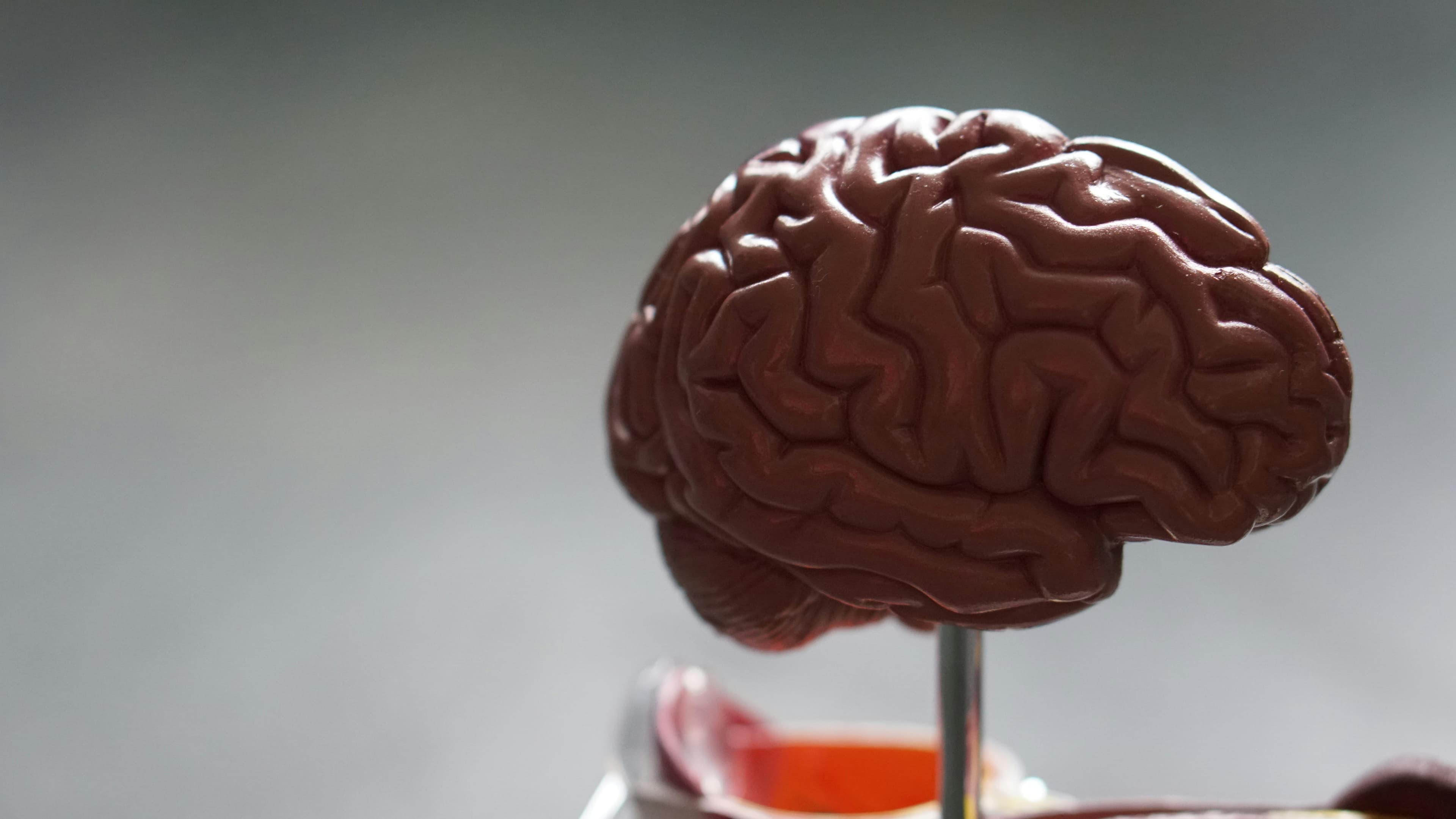
The study used advanced neuroimaging to track changes in NMDA receptor activity in patients with treatment-resistant depression as ketamine was administered. What the researchers observed was a rapid and measurable change in receptor occupancy and downstream signaling — visible in the imaging data within the same time window as the clinical antidepressant response. This real-time correlation between receptor-level changes and symptom improvement is precisely the kind of mechanistic evidence that has been missing from the ketamine literature despite years of clinical use.
The specific receptor dynamics observed suggest that ketamine's antidepressant effect is not simply a product of NMDA blockade itself, but involves the downstream cascade that blockade triggers — changes in synaptic plasticity, alterations in how neural circuits strengthen and reorganize their connections. This connects ketamine's acute pharmacological effects to longer-standing theories about depression as a disorder of synaptic connectivity and neural circuit function, rather than purely a chemical imbalance in a single neurotransmitter.
The Significance for Drug Development
Knowing the mechanism is not just academically satisfying — it is practically essential for developing better treatments. Ketamine has significant limitations as a therapeutic agent. It requires clinical administration in a controlled setting, carries abuse potential, produces dissociative side effects that many patients find unpleasant, and its antidepressant effects typically last days to weeks rather than providing sustained relief. The goal of the research is to understand the mechanism well enough to design drugs that replicate or enhance the beneficial effects while reducing or eliminating the drawbacks.
The brain-imaging data provides a biological target — a specific receptor state and downstream signaling signature — that new drug candidates can be optimized to produce. Rather than screening compounds empirically and hoping something works, researchers can now ask whether a candidate drug generates the same neurobiological response that ketamine produces in the imaged brains of responding patients. That is a fundamentally more directed approach to antidepressant drug discovery than the field has had before.
What This Means for Patients Today
For patients currently living with treatment-resistant depression, the imaging study does not change what is immediately available to them — ketamine and esketamine (the FDA-approved nasal spray version) remain the primary rapid-acting options in clinical settings. But the research strengthens the scientific foundation for why these treatments work, which matters for their continued acceptance in clinical practice, insurance coverage decisions, and the confidence with which psychiatrists can offer them to patients who have run out of other options.
The longer-term promise is a new generation of antidepressants built on this mechanistic understanding — drugs that act quickly, sustain their effects, and can be taken in the way conventional antidepressants are taken, without the clinical supervision ketamine currently requires. That outcome is years away at minimum, but the Helsinki imaging study represents the kind of foundational mechanistic clarity that makes those future treatments scientifically plausible rather than speculative.
AI Summary
Generate a summary with AI
