NASA Artemis II Mission Sets Record for Farthest Human Spaceflight Distance
For the first time in more than five decades, humans have traveled farther from Earth than any crew before them. NASA’s Artemis II mission crossed the 252,000-mile mark, moving beyond the distance reached during Apollo 13. That number is not just a record. It shows how far current spacecraft systems can safely carry astronauts into deep space.
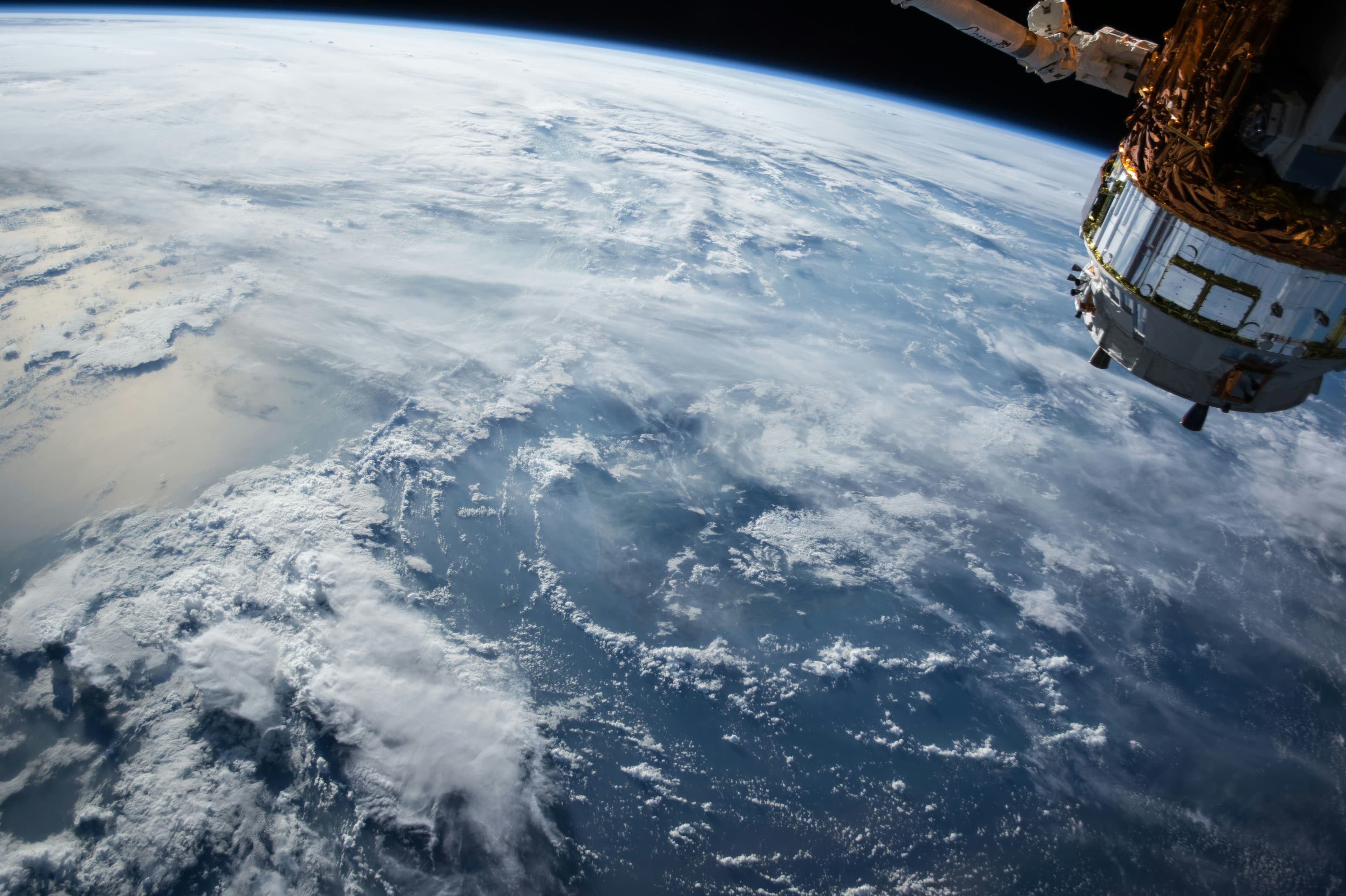
How Artemis II went beyond Apollo limits
Apollo missions set the original benchmark for human spaceflight distance. Apollo 13 reached about 248,655 miles from Earth during its emergency return trajectory in 1970. Artemis II pushed past that number using modern navigation systems and the Orion spacecraft, which is built for longer missions outside low Earth orbit.
The mission followed a carefully planned path around the Moon, using gravitational forces to extend its range before looping back toward Earth. This type of trajectory reduces fuel use while allowing the crew to travel much farther than a direct flight path would permit.
Inside the Orion spacecraft
The Orion spacecraft is designed for deep space conditions that Apollo capsules were never built to handle for long durations. It includes improved life support, radiation shielding, and automated systems that assist astronauts during extended missions. Crew members can monitor systems in real time while ground teams track performance from Earth.
One detail that stands out is the communication delay. At such distances, signals take several seconds to travel between Earth and the spacecraft. That forces astronauts to operate with more independence than crews in low Earth orbit.
Why distance matters for future missions
Traveling beyond previous limits allows NASA to test systems under real deep space conditions. Radiation exposure, thermal control, and long-duration life support cannot be fully simulated on Earth. Artemis II gives engineers actual data on how these systems behave when astronauts are far from the planet.
This matters because later missions in the Artemis program will aim to land astronauts on the Moon again. Those missions will require stable performance over longer periods, including surface operations and return journeys.
What comes after Artemis II
Artemis III is planned as the first mission in this program to land humans on the lunar surface. The data collected during Artemis II will feed directly into that effort. Engineers will review flight performance, crew feedback, and system behavior before clearing the next mission for launch.
The Artemis program is also tied to longer-term goals. NASA is working with international partners to develop lunar infrastructure, including habitats and support systems. Missions like Artemis II provide the operational experience needed before those plans move forward.
With Artemis II now past the farthest distance ever traveled by humans, NASA has added a new data point to spaceflight history. The next mission will focus on landing, not distance, and that shift will bring astronauts back to the Moon’s surface for the first time since 1972.
AI Summary
Generate a summary with AI

