Mirror-image amino acid found to starve cancer cells while sparing healthy tissue
A team of researchers has identified a mirror-image version of cysteine, a naturally occurring amino acid, that can dramatically slow the growth of certain cancers without causing the collateral damage that makes conventional chemotherapy so difficult for patients to tolerate. The study, published in Nature Chemical Biology, found that the mirror molecule, called D-cysteine, exploits a metabolic vulnerability specific to cancer cells, one that healthy cells simply do not share.
The finding matters because selectivity is one of the hardest problems in cancer treatment. Most chemotherapy drugs kill fast-dividing cells indiscriminately, which is why patients lose hair, suffer digestive damage, and experience immune suppression alongside tumor reduction. A compound that targets cancer cells and leaves healthy cells alone would represent a fundamentally different class of treatment, and that is what the D-cysteine research is pointing toward.
What mirror-image molecules are and why they behave differently
Most molecules in biology exist in two mirror-image forms, called enantiomers, that are chemically identical in composition but spatially reversed, like a left hand and a right hand. Life on Earth is built almost entirely from the left-handed, or L-form, versions of amino acids. The right-handed, or D-form, versions are rare in biological systems and are typically not recognized by the enzymes and transporters that handle the L-form versions.
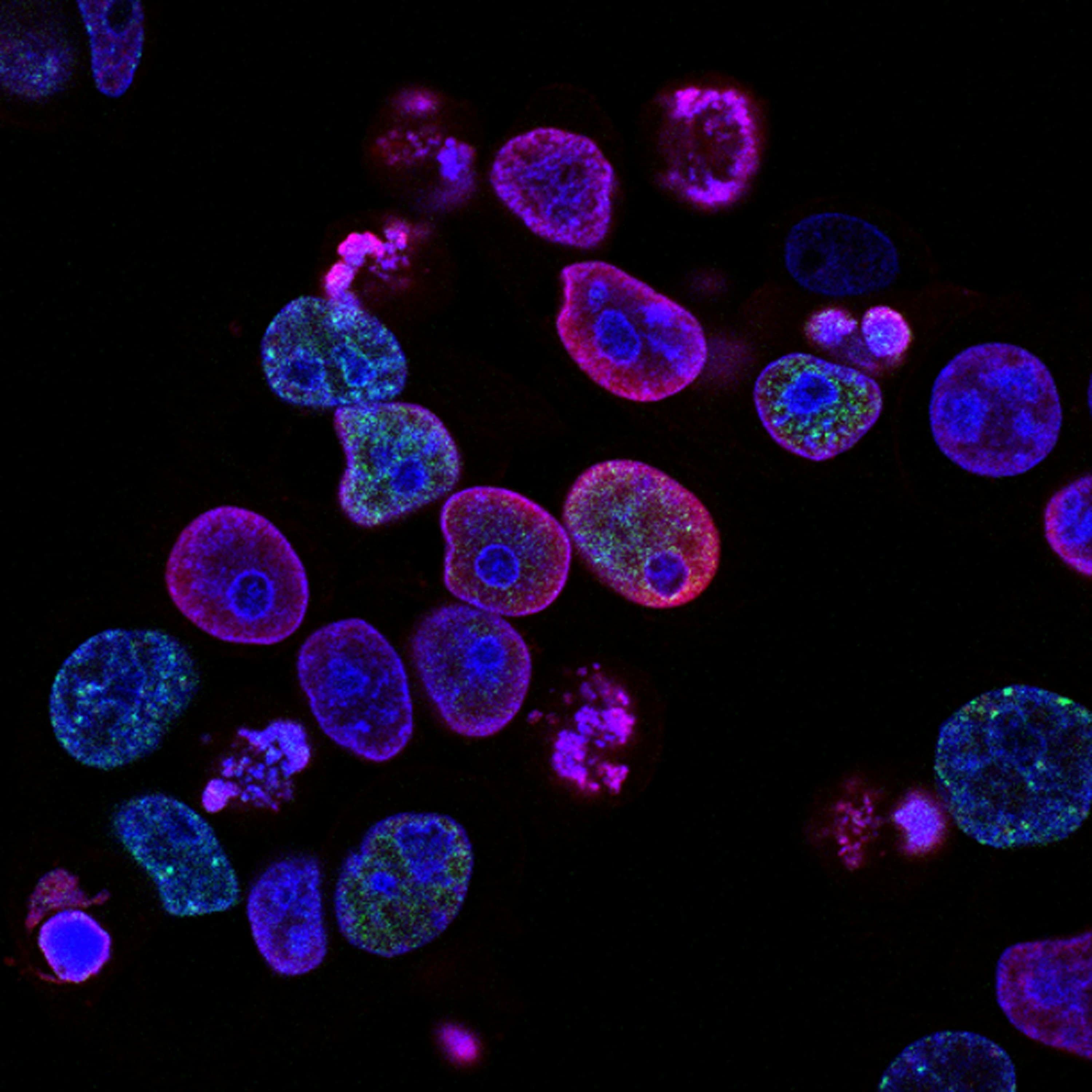
That molecular handedness is what makes D-cysteine interesting as a potential cancer treatment. The standard L-cysteine is absorbed by cells through specific transporter proteins that recognize its shape. D-cysteine is not absorbed the same way. When cancer cells take up D-cysteine through a separate pathway that many tumor cells overexpress, the molecule interferes with the cell's ability to synthesize glutathione, a critical antioxidant that cancer cells rely on to survive oxidative stress during rapid division.
How D-cysteine disrupts glutathione production in tumors
Glutathione is produced in cells through a two-step enzymatic process. The first step involves an enzyme called gamma-glutamylcysteine synthetase, which combines glutamate and cysteine. That enzyme is specific to L-cysteine. When D-cysteine is present in sufficient concentration inside a cancer cell, it competes with L-cysteine for the cellular pool of raw material but cannot be used to make glutathione. The result is that the cancer cell ends up with less functional cysteine available for glutathione synthesis, which raises its internal oxidative stress to levels that trigger programmed cell death.
Healthy cells handle oxidative stress differently and maintain more redundant antioxidant pathways. The research team tested D-cysteine on pancreatic cancer cell lines, triple-negative breast cancer lines, and non-small cell lung cancer lines in vitro. Across all three cancer types, D-cysteine reduced cell viability by 60 to 75 percent at concentrations that left normal human fibroblast cells and hepatocytes largely intact, with viability remaining above 90 percent in healthy cell controls.
Animal model results and what they showed
The researchers moved to mouse xenograft models after the in vitro results, implanting human pancreatic tumor cells into immunocompromised mice and treating them with D-cysteine delivered intravenously over 21 days. Tumor volume in the treated group was 58 percent smaller than in the untreated control group at day 21. Body weight, liver enzyme levels, and kidney function markers remained normal in the treated mice throughout the trial, indicating that the compound was not causing systemic organ toxicity at the tested doses.
A second set of experiments tested D-cysteine in combination with a low dose of the chemotherapy drug gemcitabine, which is a standard first-line treatment for pancreatic cancer. The combination produced a synergistic effect, reducing tumor volume by 81 percent compared to the untreated control, while the low-dose gemcitabine alone achieved only a 34 percent reduction. The authors wrote that the combination allowed a meaningful reduction in the gemcitabine dose required to achieve tumor suppression, which could reduce chemotherapy-related toxicity in clinical use if the results replicate in human trials.
Which cancers are most likely to be vulnerable
The mechanism depends on cancer cells overexpressing a cysteine transporter called xCT, also known as SLC7A11. The xCT transporter is highly expressed in many aggressive cancers, including pancreatic ductal adenocarcinoma, triple-negative breast cancer, glioblastoma, and several colorectal cancer subtypes. A 2022 meta-analysis published in Frontiers in Oncology found that high xCT expression was associated with worse prognosis in 14 of 17 cancer types studied, which suggests the transporter is actively used by many aggressive tumors as a nutrient acquisition strategy.
Cancers that do not highly express xCT are unlikely to take up enough D-cysteine to have the observed effect. That selectivity cuts both ways: it limits the range of cancers D-cysteine could treat, but it also provides a predictive biomarker that could help oncologists identify which patients are most likely to respond. A tumor biopsy showing high xCT expression would be an indicator that D-cysteine-based treatment is worth pursuing.
Timeline to human trials and regulatory path
The research team at the University of California San Diego, which led the study, said in a press release that they are preparing an Investigational New Drug application to file with the FDA in late 2026. If the IND is accepted, Phase I trials would likely begin in 2027, focusing on safety, dosing, and pharmacokinetics in a small cohort of patients with advanced solid tumors. D-cysteine is a naturally occurring compound in small amounts in some foods and the human body, which may simplify the initial safety profile compared to entirely synthetic molecules, though synthetic production at therapeutic doses involves a more complex manufacturing process.
The research was funded partly by the National Cancer Institute and partly by a grant from the Pancreatic Cancer Action Network, which has been actively funding research into pancreatic cancer treatments given that the five-year survival rate for pancreatic ductal adenocarcinoma remains approximately 12 percent despite decades of research. Phase II and III trials, which test efficacy in larger patient populations, would not begin until Phase I safety data is available, putting any potential approval realistically no earlier than 2031 under a standard regulatory timeline.
AI Summary
Generate a summary with AI


