Meat Sales Hit Record $112 Billion in 2025, Driven by Millennials and Gen Z
The narrative that younger generations were going to eat less meat — powering a plant-based revolution and gradually shrinking the traditional protein industry — has run into an inconvenient set of numbers. U.S. retail meat sales hit a record $112 billion in 2025, according to the 2026 Power of Meat report, with pound volume rising 2 percent year over year. The generation driving much of that growth? Millennials and Gen Z. The story of meat's supposed decline has been quietly shelved.
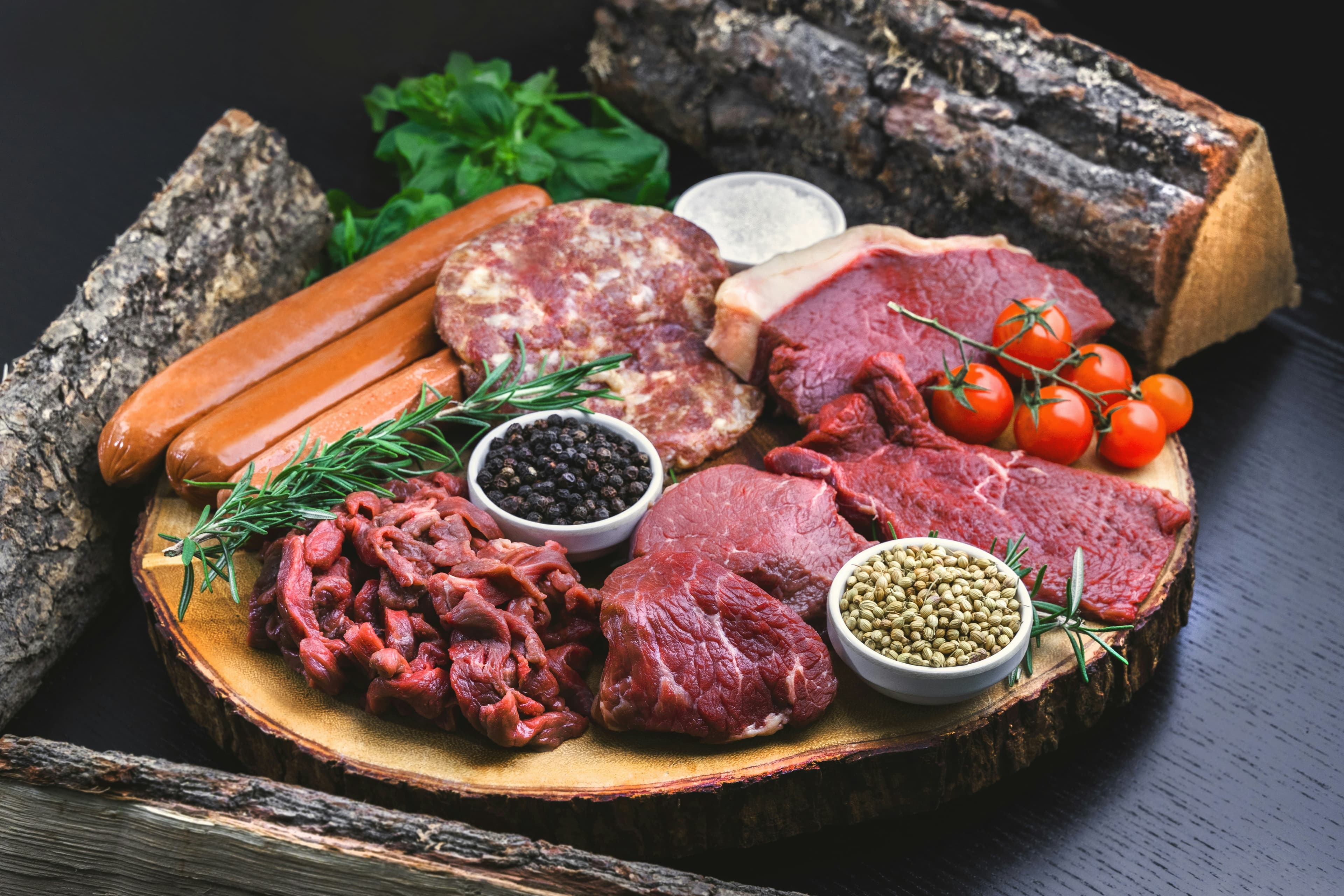
Fresh Beef Leads the Way
Fresh beef was the standout category, with dollar sales climbing 12.4 percent to reach $45.1 billion. That's a significant jump in a single year, and it reflects both price inflation and genuine demand growth — volume was up alongside dollar figures, which rules out the simpler explanation that higher prices alone inflated the revenue number. Consumers are buying more beef, not just paying more for the same amount.
The beef numbers are particularly striking given that retail beef prices have been elevated for several years due to tight cattle supply. Consumers haven't been trading down to chicken or pork at the rate that price-elasticity models might have predicted. Instead, beef has held its position as the premium protein of choice, with shoppers absorbing higher price points rather than substituting away — a behavioral pattern that has surprised some industry analysts.
Millennials and Gen Z Are Not the Plant-Based Generation
The demographic data in the Power of Meat report cuts against a persistent assumption about younger consumers. Millennials and Gen Z are, according to the findings, meaningful contributors to the record meat sales figures — not the generation pulling the industry downward. Several factors likely explain this. Both cohorts have entered peak household formation years, with more cooking at home, more family meals, and more engagement with food culture broadly. Grilling, barbecue, and protein-forward eating have all experienced cultural resurgences with younger audiences, partly driven by social media food content.
There's also the high-protein diet trend, which has moved well beyond fitness communities into mainstream eating patterns. Whether driven by weight management goals, athletic performance, or simply following what's popular on wellness platforms, the cultural emphasis on protein intake has benefited meat sales directly. Beef and chicken, in particular, fit neatly into the macros-conscious way many younger consumers now approach food.
Plant-Based Alternatives Continue to Struggle
While traditional meat hit records, plant-based meat alternatives dropped 11.1 percent in 2025 — continuing a decline that has now stretched across multiple consecutive years. The category peaked around 2020 and 2021 on a wave of novelty, venture capital enthusiasm, and genuinely strong consumer curiosity. What followed was a more honest market signal: repeat purchase rates were low, prices were high relative to the animal proteins they were meant to replace, and the taste and texture gap proved harder to close than early backers anticipated.
Plant-based brands have tried reformulations, price cuts, and repositioning — moving away from the direct meat-replacement framing toward emphasizing their own nutritional identity. Some of that work is ongoing, but the retail data suggests it hasn't reversed the trajectory yet. The category still exists and still has a loyal niche, but the vision of plant-based alternatives capturing a substantial share of the $112 billion meat market looks much less realistic today than it did five years ago.
What This Means for Retailers and Producers
For grocery retailers, the Power of Meat data reinforces the strategic importance of the meat department as a traffic driver and margin contributor. Investments in butcher services, premium and specialty cuts, and prepared meat products all look well-justified given the sales trajectory. Private label meat programs have also been expanding at several major chains, capturing margin as consumers remain loyal to the category even while seeking value.
For meat producers, the record figures are positive but come with their own pressures. Cattle supply constraints aren't resolving quickly, which means sustained upward price pressure that could eventually test consumer resilience. The industry's challenge over the next several years is maintaining volume growth in an environment where the raw material — cattle — is structurally tight. How that tension resolves will determine whether 2025's record becomes a baseline or a peak.
AI Summary
Generate a summary with AI