Major Container Carriers Reroute Ships Via Cape of Good Hope, Adding $933,000 Per Voyage and Doubling Transit Times
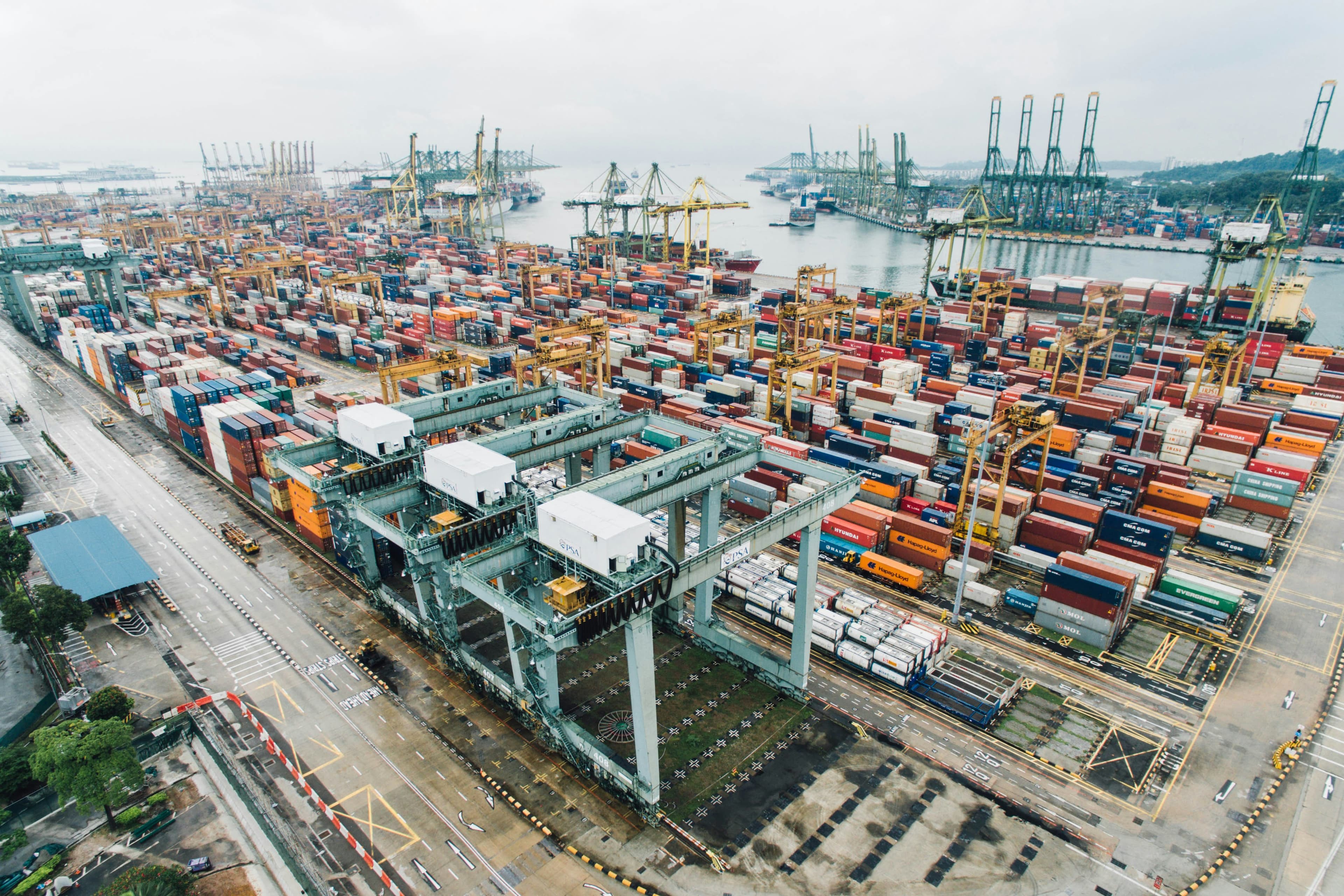
The world's two largest container shipping companies have made their calculation, and it is expensive. Maersk and Hapag-Lloyd have both suspended transits through the Strait of Hormuz and are rerouting their vessels around the southern tip of Africa — a detour that adds roughly $933,000 in incremental costs per voyage and stretches transit times from 16 days to 32. That is not a minor operational adjustment. It is a fundamental restructuring of how goods move between Asia, the Middle East, and Europe, and the food industry is absorbing the consequences faster than almost any other sector because perishable supply chains have almost no tolerance for this kind of disruption.
Why the Cape Route Changes Everything
The Cape of Good Hope route around southern Africa was the standard path for Asia-Europe container shipping before the Suez Canal opened in 1869. Carriers had been avoiding it for over 150 years for good reason — it adds approximately 3,500 nautical miles to a typical voyage, requires more fuel, demands more crew time, and subjects vessels to the notoriously rough seas of the South Atlantic and Indian Ocean. Returning to it is not a choice any shipping line makes enthusiastically. The decision reflects a judgment that the risk of transiting the Persian Gulf under current wartime conditions exceeds the certainty of paying close to a million dollars extra per trip.
The $933,000 figure represents incremental bunker fuel costs, extended crew wages, increased port and canal fees from alternative routing, and war-risk insurance premiums that remain elevated even on the Cape route given the broader geopolitical environment. For a single voyage, that is a significant but manageable number for a large carrier. Multiply it across hundreds of active voyages and dozens of vessels, and the aggregate cost impact on the global shipping industry runs into the billions per month.
Perishable Food Chains Are Breaking Down First
Doubling transit time from 16 to 32 days is not an abstract logistical inconvenience. For cargo that does not expire, it is a cost and scheduling problem. For perishable food shipments, it can be a write-off. Fresh produce, chilled meat and seafood, and dairy products loaded in refrigerated containers have strict shelf-life windows, and a 16-day extension to transit time blows through those windows for a significant portion of what moves on these routes.
Southeast Asian seafood destined for European markets — frozen shrimp from Vietnam, tuna from Thailand, salmon processed in Singapore — moves heavily through routes that previously transited the Strait of Hormuz. Middle Eastern producers shipping dates, fresh vegetables, and citrus to South Asian buyers face the same extended transit problem in reverse. Importers in India and Pakistan that relied on regular container arrivals from Gulf processing facilities are now being told their next delivery is weeks late, if it is coming at all during this disruption period.
How Ingredient Costs Are Climbing for Food Manufacturers
Beyond perishables, the rerouting is pushing up ingredient delivery costs across processed food manufacturing. Spices from India and Indonesia, cocoa from West Africa, specialty starches from Asia, and packaging materials sourced from Chinese manufacturers all move in containers on these same disrupted trade lanes. When shipping costs increase by nearly a million dollars per voyage, freight rates for individual container slots rise correspondingly, and those increases land on the invoices of food manufacturers as higher delivered-cost inputs.
Manufacturers operating on annual supply contracts face a particular squeeze. Many locked in ingredient pricing and delivery schedules in late 2025 under assumptions of normal transit times and freight rates. Those assumptions have been invalidated entirely. Renegotiating mid-contract is possible but contentious — suppliers facing their own elevated shipping costs are not eager to absorb the difference, and buyers who budgeted against lower ingredient costs are equally reluctant to accept price increases. The result is a wave of difficult commercial conversations happening simultaneously across the food industry.
Container Availability Is Becoming a Secondary Problem
An underappreciated consequence of the rerouting is what it does to container positioning. When ships take 32 days instead of 16 to complete a voyage, the same number of vessels and containers moves significantly fewer round trips per year. That effectively tightens global container capacity without any vessel being taken out of service. Shippers that need containers in specific ports at specific times are finding availability constrained, and spot freight rates — already elevated by the war-risk premium — are climbing further as demand for available slots outpaces supply.
The last time this dynamic played out at scale was during the Red Sea crisis of late 2023 and early 2024, when Houthi attacks forced a similar Cape rerouting. That episode pushed spot freight rates to levels not seen since the post-COVID supply chain crisis before eventually stabilizing as shipping companies added capacity. The current situation involves a larger and more direct conflict affecting a more critical chokepoint, and the resolution timeline is considerably less predictable. Food manufacturers and their logistics teams are in for a protracted period of elevated costs and supply chain uncertainty with no clear end date in sight.
AI Summary
Generate a summary with AI