ISRO Hosts SMOPS-2026 Conference on Advanced Space Operations
India’s space program is drawing global attention again, this time through a conference focused on how spacecraft are managed after launch. The Indian Space Research Organisation is hosting SMOPS-2026 in Bengaluru, bringing together engineers, researchers, and mission planners to talk about how space missions are run in real time.
The event focuses on mission operations, a part of space activity that often stays out of public view. Once a satellite or spacecraft is in orbit, teams on the ground monitor its health, adjust its path, and handle unexpected issues. These tasks are becoming more complex as missions grow in scale and ambition.
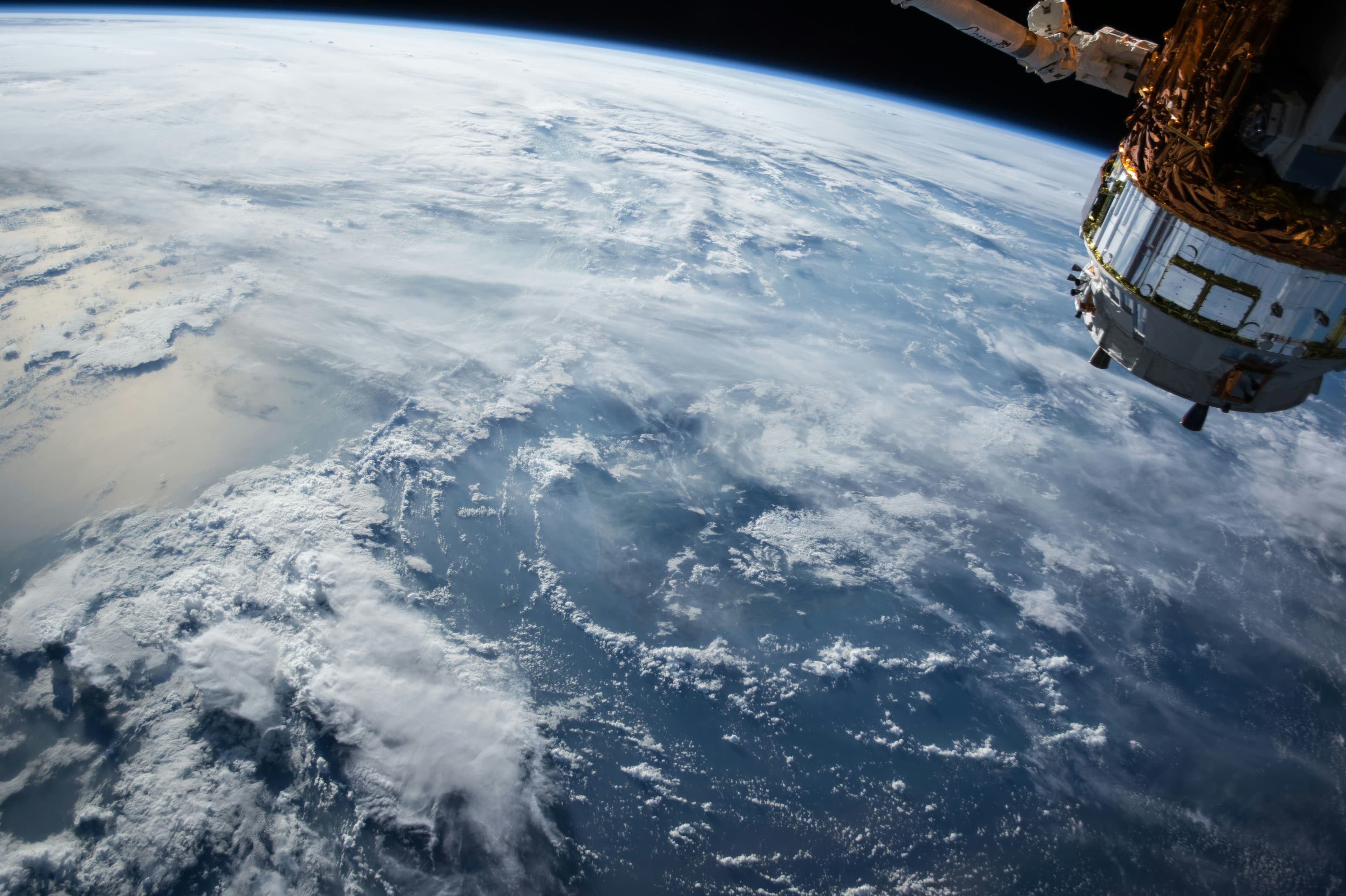
a global gathering of space agencies
SMOPS-2026 is not limited to India’s space agency. Delegates from NASA, the European Space Agency, and the Japan Aerospace Exploration Agency are part of the discussions. Each of these organizations runs complex missions, including deep space probes and long-duration satellite programs.
Their participation adds practical insight into how different countries handle similar challenges. For instance, communication delays in deep space missions require automated systems that can make decisions without waiting for instructions from Earth. Sharing such experiences can help standardize certain practices across agencies.
ai takes a larger role in mission control
One of the central themes at the conference is the use of artificial intelligence in mission operations. Spacecraft generate large volumes of data every second. Human teams cannot analyze all of it in real time, which is where AI systems come in.
These systems can detect anomalies, predict equipment failures, and suggest corrective actions. In some cases, they can act automatically when a delay could risk the mission. This approach is already being tested in several international projects, and ISRO is gradually adopting similar methods.
why mission operations are getting harder
Space missions are no longer limited to a single satellite in orbit. Constellations with dozens or even hundreds of satellites are becoming common, especially for communication and Earth observation. Managing such networks requires precise coordination and constant monitoring.
There is also the issue of space traffic. As more objects enter orbit, the risk of collision increases. Mission control teams need accurate tracking data and quick response systems to avoid potential accidents. Conferences like SMOPS create a space for agencies to compare methods and improve coordination.
what bengaluru brings to the table
Bengaluru has long been the center of India’s space operations. ISRO’s mission control facilities and several research centers are based in the city. Hosting the conference here allows participants to see operational setups and interact with teams that handle live missions.
The discussions at SMOPS-2026 are expected to feed into upcoming projects, including more advanced satellite systems and future interplanetary missions. ISRO has indicated that lessons from this event will be applied to its next series of launches, which are scheduled over the next few years.
AI Summary
Generate a summary with AI
