Israel's Strikes Unleash Hellish Scenes in Tehran, Escalating Regional Tensions
Tehran, Iran's capital, has been plunged into apocalyptic scenes following a series of Israeli airstrikes that directly targeted critical oil and fuel depots. The attacks have resulted in massive fireballs, thick black smoke obscuring the sun, and widespread destruction, signaling a dangerous escalation in the already volatile Middle East. The immediate aftermath saw daytime turn into an eerie darkness, with residents grappling with the visual and environmental impact of the relentless assault.
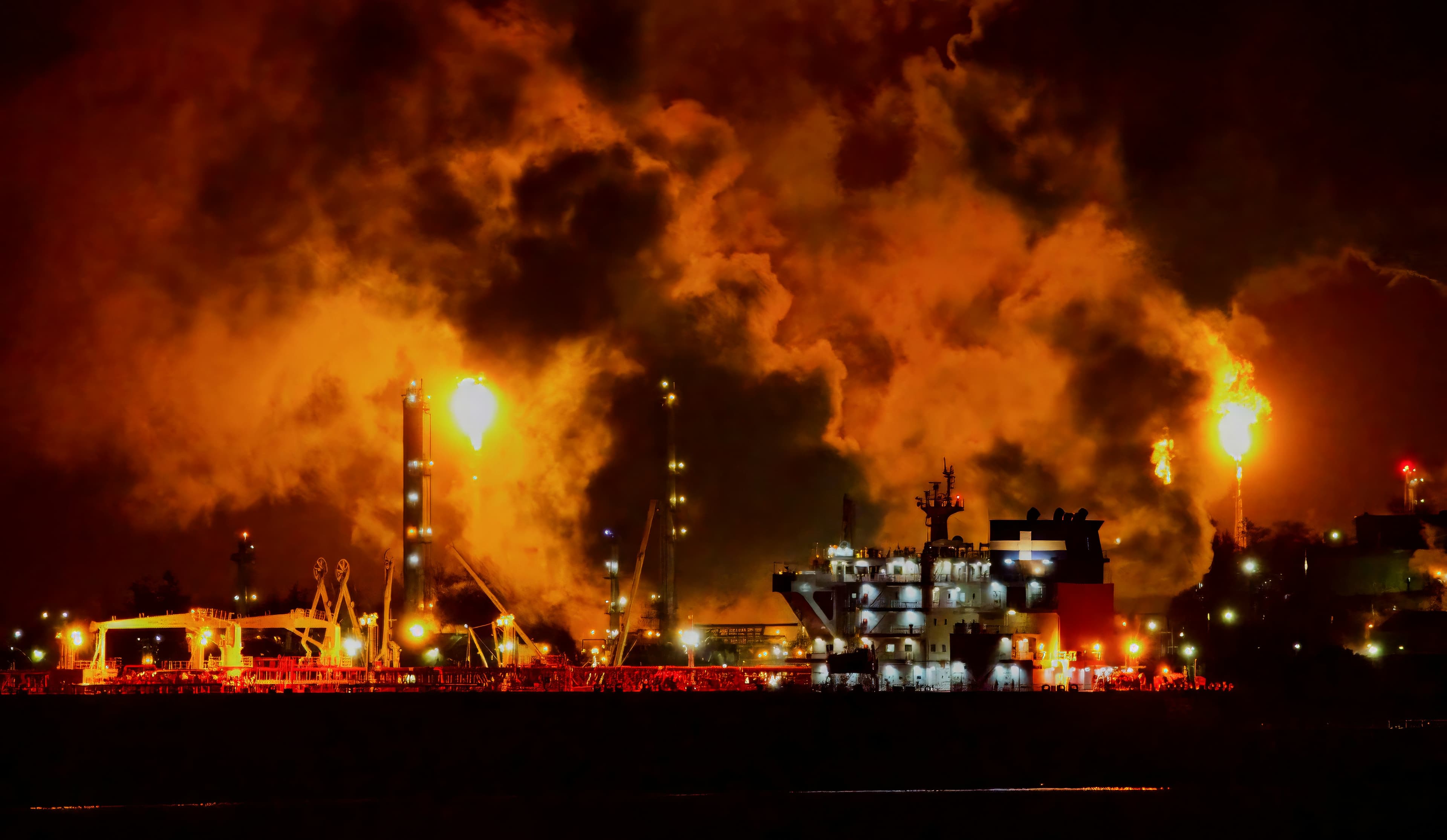
The Devastation in Tehran and Karaj
Multiple explosions rocked Tehran and the adjacent city of Karaj, specifically hitting oil and fuel storage facilities, including the crucial Saharan Oil Depot. This depot is a vital hub for supplying petrol and diesel to the capital, making it a highly strategic target. The strikes ignited fuel tanks, creating colossal fireballs that soared hundreds of feet high and rapidly spread, consuming everything in their vicinity within seconds. The intensity of these fires led to the immediate blanketing of the sky with dense, black smoke, creating an atmosphere of profound darkness even during daylight hours.
Environmental and Human Catastrophe
The burning petroleum released a toxic cocktail of sulphur dioxide, nitrogen oxides, hydrocarbons, and soot particles, enveloping Tehran in a hazardous cloud. Residents reported severe breathing difficulties and eye irritation, with authorities issuing warnings about the potential for acidic rain. The human toll included at least six fatalities and over twenty injuries, primarily among depot workers, tanker drivers, and nearby civilians. The attacks also severely disrupted fuel distribution, leading to gasoline rationing and the closure of numerous petrol stations, exacerbating the crisis for Tehran's population of approximately one crore people. The psychological impact was profound, with residents describing the situation as extremely frightening, witnessing an orange sky, disappearing birds, and facing fuel shortages and internet shutdowns.
Strategic Intent Behind the Strikes
Israel's decision to target Iran's oil infrastructure appears to be multifaceted. A primary objective is to cripple Iran's economy, which heavily relies on its oil sector. Furthermore, these facilities are critical for military logistics, supplying fuel to IRGC bases and missile systems. The strikes also serve as a form of psychological warfare, demonstrating Israel's capability to hit core Iranian infrastructure and signaling a clear message within Iran's capital. This move is also intended to exert pressure on Iran to curb its aggressive actions across the Middle East, from Dubai to Saudi Arabia, by escalating the conflict on Iranian soil.
Iran's Retaliation and Broader Implications
In response to the Israeli aggression, Iran has already initiated retaliatory measures. Reports indicate that an oil refinery in Israel was attacked, resulting in a significant fire. Additionally, residential areas in Saudi Arabia's Al-Kharj Governorate were hit, claiming the lives of an Indian and a Bangladeshi national, and injuring twelve others. This tit-for-tat escalation threatens to plunge the entire region into deeper instability, with Iran explicitly warning that it could target economic centers across the Middle East, potentially driving oil prices to an unprecedented $200 per barrel, a scenario that would have dire global economic consequences.
An Unpredictable Path Forward
The current trajectory of the conflict offers no clear end game. Iran remains defiant, asserting its possession of six months' worth of weapons stock and vowing continued retaliation against any aggression. The United States has also issued warnings regarding Iran's succession plans for the Supreme Leader, adding another layer of complexity to the geopolitical chessboard. With both sides entrenched in aggressive stances, the potential for further escalation and broader regional conflict remains exceptionally high, leaving the future of stability in the Middle East profoundly uncertain.
The recent events underscore a dangerous new phase in the long-standing tensions between Israel and Iran. The targeting of civilian-critical infrastructure and the subsequent retaliations highlight a willingness to push boundaries, risking not only immediate human cost but also significant economic and political fallout for the entire international community. The world watches as this volatile situation unfolds, with hopes for de-escalation dimming amidst the rising flames.
AI Summary
Generate a summary with AI


