Iran war complicates Federal Reserve March meeting as oil and LNG prices surge
The Federal Reserve's March policy meeting was already going to be uneventful by design. Fed Chair Jerome Powell had signaled in February that the FOMC would hold rates steady through the first half of 2026 unless the inflation picture changed materially. Then oil crossed $90 per barrel, the Strait of Hormuz closed, and Qatar's LNG exports stopped moving. The inflation picture changed materially.
The FOMC meeting is scheduled for March 18 and 19. By the time the committee convenes, oil will have been above $90 for over two weeks, gas prices at the national average will have risen more than 60 cents per gallon since mid-February, and the University of Michigan's preliminary March consumer sentiment index will have printed at 57.9, the lowest reading since November 2022. The Fed does not target gas prices or consumer sentiment directly, but both feed into the inflation and employment mandate it does target.
What the Fed can and cannot do about energy-driven inflation
The Federal Reserve's standard framework for dealing with supply-side inflation shocks, like an oil price spike, is to look through them if they appear temporary and act if they appear persistent. The logic is that raising interest rates cannot produce more oil. It can only reduce demand enough to bring prices down, which means it would slow the economy rather than address the underlying supply disruption. The Fed applied this framework repeatedly during the 2021 and 2022 energy price surges before ultimately deciding that inflation had become too broad to ignore.
The challenge in March 2026 is that the current energy shock is not obviously temporary. A ceasefire in the Iran conflict could reopen the Strait of Hormuz within weeks and bring oil back below $80. But a prolonged military campaign with no defined endpoint could keep oil above $90 for months, long enough for energy costs to feed into services prices, wage negotiations, and inflation expectations in ways that become self-reinforcing. The Fed cannot know which scenario it is in while the war is still active.
JPMorgan's client guidance and the energy equities trade
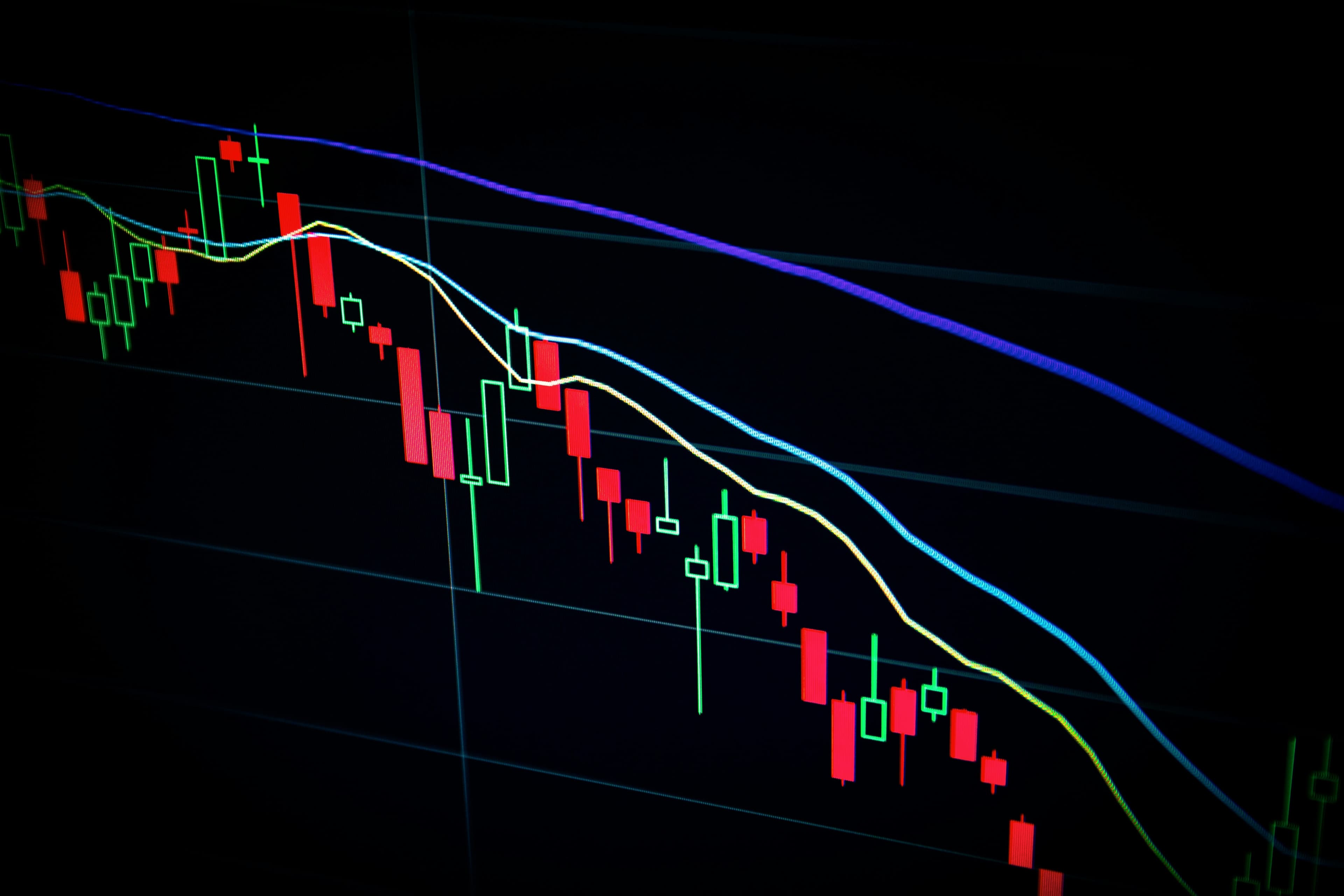
JPMorgan's markets strategy team published a note on March 12 advising clients to go long on energy sector equities while maintaining reduced exposure to broader US equity indices until the Strait of Hormuz situation resolves. The rationale is straightforward: upstream oil producers benefit directly from higher crude prices, while most other sectors either face higher input costs, lower consumer spending, or both. ExxonMobil, Chevron, and ConocoPhillips shares had already risen between 14 and 19 percent since the Iran campaign began, outperforming the S&P 500, which was down 4.2 percent over the same period.
JPMorgan also flagged LNG producers and shippers as a secondary beneficiary trade. With Qatar's exports halted by the strait closure, buyers in Japan, South Korea, and Europe are competing for spot LNG cargoes from alternative suppliers in Australia and the United States. Henry Hub natural gas futures rose 34 percent in the two weeks following the blockade, the largest two-week gain since the winter of 2022. US LNG export terminal operators including Cheniere Energy saw their share prices rise in parallel with the spot price.
How the Fed's dot plot may shift in March
The March FOMC meeting includes an updated Summary of Economic Projections, commonly called the dot plot, which shows each committee member's anonymous forecast for the federal funds rate at year-end 2026, 2027, and over the longer run. The December 2025 dot plot showed a median expectation of two rate cuts in 2026. Given the inflation developments since then, several Fed watchers expect the March dot plot to show a median of one cut, or possibly zero cuts, with committee members widening the range of individual projections to reflect genuine uncertainty about the inflation trajectory.
Deutsche Bank's US rates strategy team published a preview on March 11 forecasting that the median 2026 dot would move from two cuts to one cut, and that Powell's press conference language would emphasize data dependence rather than any forward guidance on timing. That is the communication strategy the Fed has used before when it wants to avoid market overreaction to an uncertain environment: say less, commit to nothing, and preserve optionality.
The LNG disruption and its second-order inflation effects
Qatar's LNG suspension is the part of the energy shock that gets less attention than oil prices but may have longer-lasting effects on US inflation. Natural gas prices feed directly into electricity generation costs, particularly in regions that rely heavily on gas-fired power plants. The US Energy Information Administration's most recent data showed natural gas generating 43 percent of US electricity in 2024. A 34 percent increase in natural gas prices, if sustained for two to three months, will show up in residential and commercial electricity bills with a one to two month lag.
Higher electricity costs affect the services component of CPI and PCE, which is the category the Fed watches most carefully because services inflation tends to be stickier than goods inflation. Services prices are driven by labor costs and input costs that do not reverse as quickly as commodity spot prices. If electricity bills rise in March and April, that effect could persist in the inflation data through the summer, complicating the Fed's second-half assessment even if the war ends quickly.
Market expectations going into the March 18 meeting
Fed funds futures markets were pricing a 92 percent probability of no rate change at the March meeting as of Thursday's close, and an 8 percent probability of a 25 basis point cut. The near-certainty of a hold is not the interesting market variable. The interesting variable is whether the post-meeting statement and dot plot shift the implied timing of the first cut from June to September, or eliminate 2026 cuts entirely from the median projection.
A shift to zero projected cuts in 2026 would be a significant tightening of financial conditions through expectations alone, without the Fed actually changing the policy rate. Two-year Treasury yields, which are most sensitive to near-term Fed rate expectations, rose 18 basis points in the week ending March 13, to 4.47 percent. A dot plot that removes 2026 cuts could push two-year yields above 4.6 percent, tightening mortgage rates, corporate borrowing costs, and consumer credit conditions in the process. The Fed's March 19 statement and dot plot release is scheduled for 2 pm Eastern Time, followed by Powell's press conference at 2:30 pm.
AI Summary
Generate a summary with AI


