Iran Appoints Mojtaba Khamenei as New Supreme Leader Amid Ongoing U.S.-Israel Military Campaign
Iran has named a new supreme leader under the worst possible circumstances. With U.S. and Israeli strikes entering their second week, Iranian state media confirmed that Mojtaba Khamenei — son of the late Ayatollah Ali Khamenei — has been appointed to fill the role that has defined the Islamic Republic's direction for over three decades. The timing is not incidental. A leadership transition during an active military campaign is one of the most dangerous moments any state can face, and Iran is navigating it in real time.
Who Is Mojtaba Khamenei
Mojtaba Khamenei has operated largely in the background of Iranian politics for years, though never far from its center. He has been associated with the Islamic Revolutionary Guard Corps and is widely understood to hold deeply conservative views that align closely with the hardline faction of the Iranian clerical establishment. His elevation was speculated about for years as his father's health declined, but the speed and circumstances of the appointment — mid-conflict, with the country under bombardment — give it a character that a peacetime succession would not have.
Questions about his religious credentials have circulated for years. The supreme leader's role carries significant clerical weight within the Shia jurisprudential tradition, and Mojtaba's qualifications in that regard have been a point of debate among Iranian religious scholars. Whether those questions will carry political weight in the current moment, when rallying around leadership may feel like a survival imperative, is genuinely uncertain.
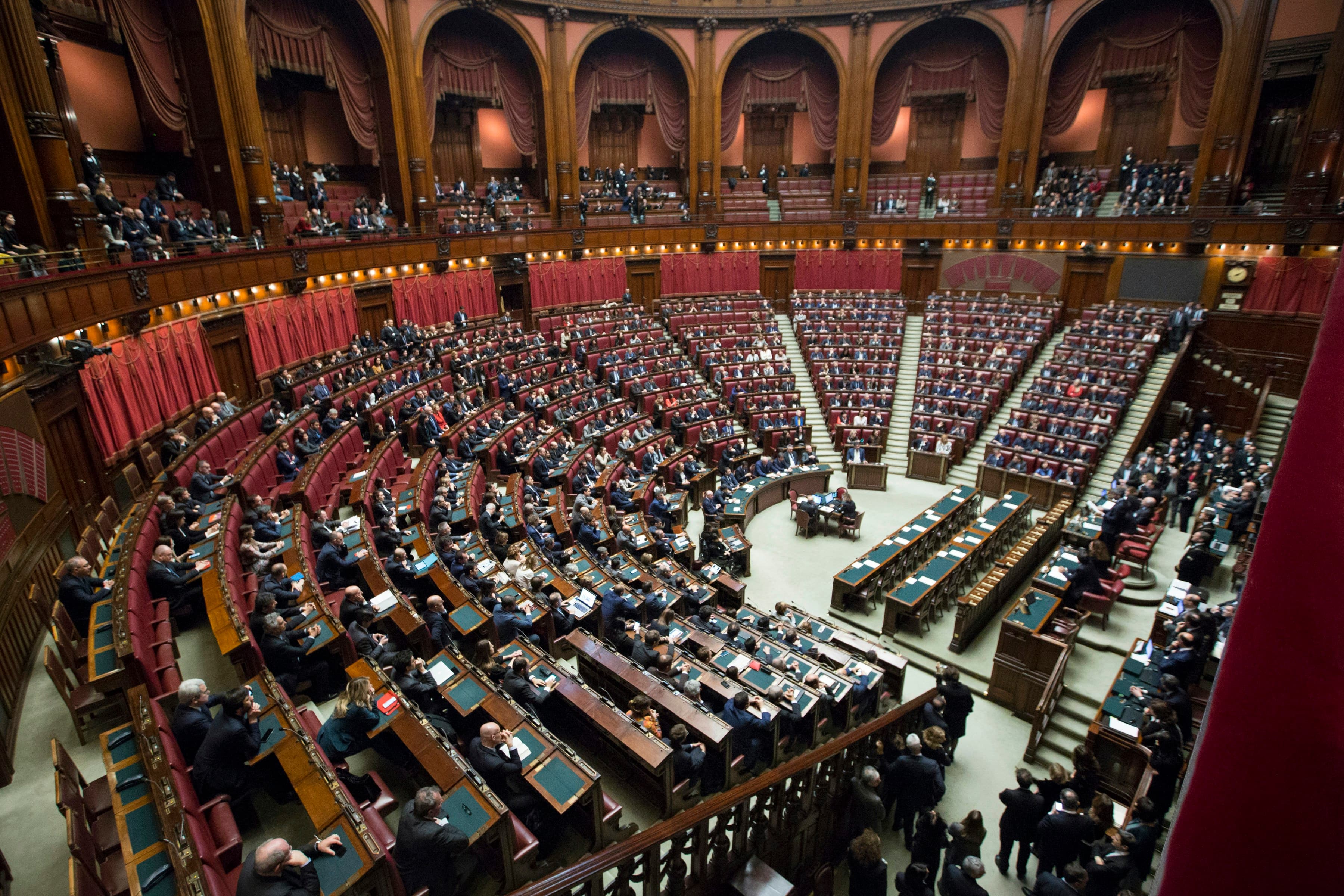
A Succession Under Fire
President Masoud Pezeshkian's public endorsement of the appointment was swift, as were statements from other senior political figures. The speed of that political alignment signals an effort to project unity at a moment when internal fractures would be particularly dangerous. Whether that unity is genuine or performative under duress is harder to assess from the outside, but the optics of a consolidated leadership front clearly matter to Tehran right now.
The supreme leader role in Iran is not ceremonial. It controls the armed forces, has final authority over foreign policy, and shapes the ideological direction of the state in ways that the presidency does not. Whoever holds it sets the parameters within which every other Iranian official operates. Mojtaba inheriting that authority mid-conflict means his first major decisions as supreme leader will be among the most consequential Iran has faced in a generation.
What the Military Campaign Changes
U.S. and Israeli strikes into their second week represent a sustained military pressure campaign rather than a one-time punitive action. The targets, the tempo, and the diplomatic signals accompanying the strikes all carry meaning about the objectives being pursued. For the new Iranian leadership, the immediate question is not just how to respond militarily but how to read what the other side actually wants — whether there is a negotiated off-ramp being left open or whether the campaign is designed to force a more fundamental change.
A new supreme leader has both a constraint and an opportunity in this situation. The constraint is that any appearance of weakness in the face of external attack could undermine his domestic legitimacy before it is even established. The opportunity is that a new leader sometimes has more room to make pragmatic decisions than an entrenched one — a change in direction can be framed as new leadership rather than retreat. Whether Mojtaba Khamenei has the political instincts to navigate that tension remains to be seen.
Regional and Global Implications
Iran's allies and proxy networks across the region — in Lebanon, Iraq, Yemen, and Syria — will be watching the succession closely. The supreme leader is the ideological and strategic anchor for that network, and uncertainty at the top creates real questions about command coherence and the willingness to escalate or de-escalate in various theaters. Tehran's partners will need reassurance; its adversaries will be probing for signs of disarray.
For the wider international community, the combination of an active military conflict and a leadership transition in a nuclear-threshold state is about as destabilizing a scenario as geopolitical risk planners model for. The coming days will test whether the Iranian system — built deliberately to survive the death of any single leader — functions as designed, or whether the stress of simultaneous military pressure and succession reveals fault lines that the Islamic Republic's architects did not anticipate.
AI Summary
Generate a summary with AI


