Interactive VR Concert Breaks Virtual Attendance Records
More than 15 million people attended a live concert today without leaving their homes — or, more precisely, without leaving their headsets. A virtual reality performance event broke the previous record for simultaneous digital attendance, drawing an audience that no physical venue on earth could have accommodated and delivering an experience that its organizers are describing as a genuine step change in what live digital entertainment can be. The number alone is significant. What made it worth paying attention to is what those 15 million people actually experienced.
Virtual concerts are not new. Fortnite's Travis Scott event in 2020 drew 12 million concurrent players, and various platform-based music events have claimed large attendance figures since. But the infrastructure behind today's event — the rendering quality, the spatial audio implementation, the degree to which attendees could interact with the performance environment and with each other — represents a generational leap over what those earlier events delivered. This was not a giant video screen inside a game world. It was something meaningfully closer to being in a room with the performance.
What Made This Concert Technically Different
The platform running the event used a combination of photorealistic avatar rendering, real-time motion capture of the performing artist, and spatial audio processing that adjusts what each individual attendee hears based on their position and orientation within the virtual venue. Every person in the audience had a unique acoustic experience — someone standing close to the stage on the left side heard a different mix than someone in the back center, the way physics works in a real concert hall. At 15 million concurrent users, maintaining that individualized rendering without collapsing under the load required server infrastructure that the platform has been building toward for three years.
The interactivity layer went further than previous virtual events. Attendees could move through the space, express reactions that the performer could see represented as aggregate visual data in real time, and access virtual merchandise and exclusive content through interactions within the environment. Small group zones allowed clusters of friends attending together to share a defined area of the virtual venue — preserving the social dimension of concert-going that pure livestreaming formats strip out entirely.
The Accessibility Angle That Changes the Conversation
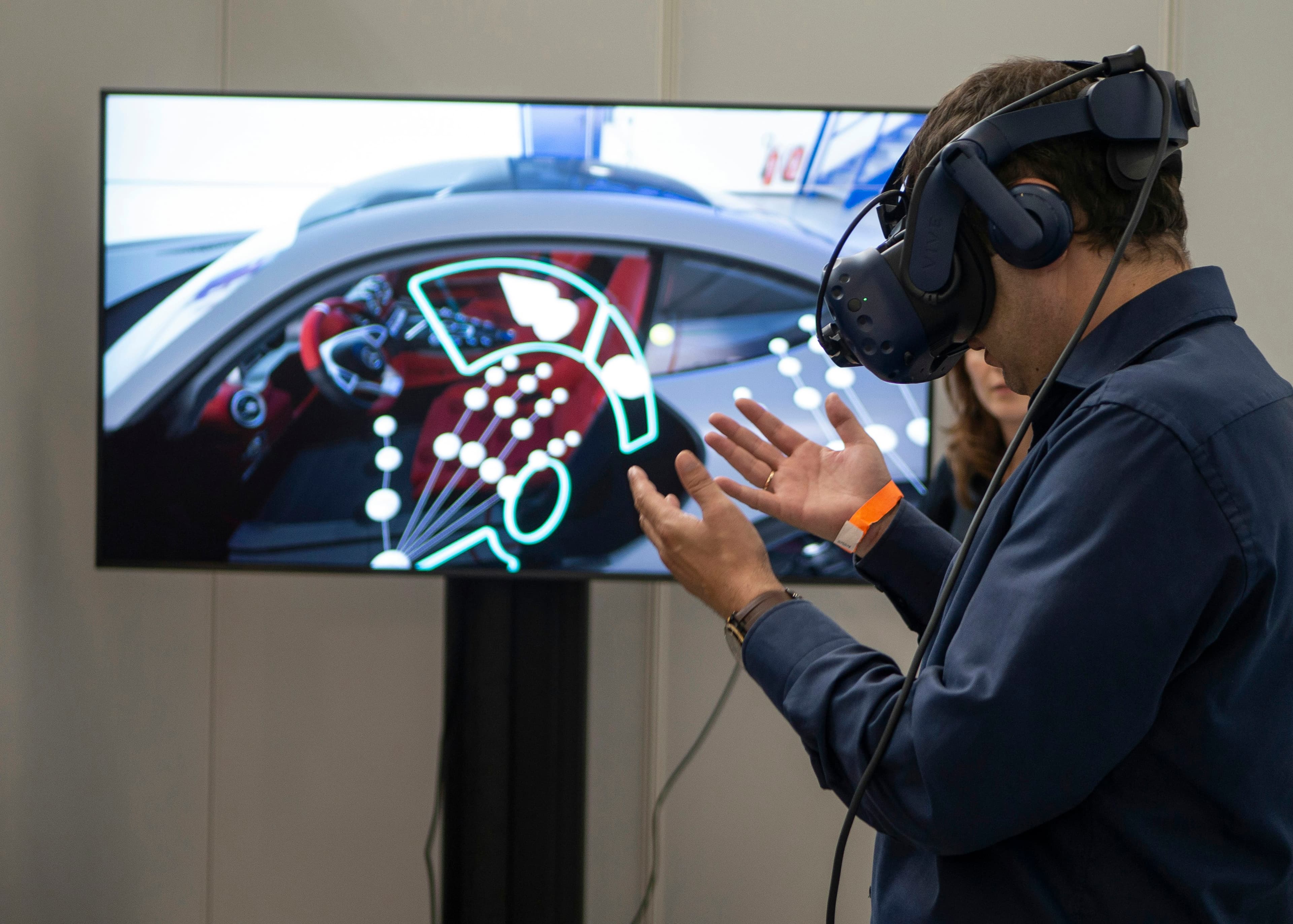
One of the persistent criticisms of VR as an entertainment medium has been the hardware barrier — you need a headset, and headsets have ranged from uncomfortable to expensive to both. Today's event was designed to be accessible across a wider range of entry points than previous high-profile VR events. Full immersive experience required a VR headset, but a flat-screen desktop and mobile version of the platform allowed participation with reduced spatial features. The breakdown of attendance by access method has not been published, but the organizers indicated that VR headset users represented a majority of concurrent attendees — a figure that would have been implausible two or three years ago and speaks directly to how rapidly the installed headset base has grown.
Geographic distribution of the audience was notably broad. Significant attendance clusters were recorded in markets where physical concerts by Western artists are infrequent or prohibitively expensive — parts of Southeast Asia, South Asia, Latin America, and sub-Saharan Africa. For those audiences, a VR concert is not a substitute for something they could otherwise attend. It is access to a live experience that geography and economics would otherwise deny them entirely. That dimension of the record attendance figure deserves more attention than it typically receives in coverage focused on the technology.
The Artist's Experience of Performing to a Virtual Audience
Performing to a virtual audience is a genuinely strange experience that artists who have done it describe in surprisingly consistent terms: the absence of physical feedback — no sound of a crowd, no sense of mass presence — creates a performance context unlike anything in live music. The artist performing today had done smaller virtual events before and described preparation for this one as involving specific rehearsals for the form rather than just the music. The motion capture setup, the interaction with real-time crowd reaction data displayed in the performance environment, and the knowledge that the audience distribution spanned multiple time zones simultaneously all require a different kind of performer awareness than conventional stagecraft.
Post-event interviews suggested the experience was more emotionally engaging than the artist had expected, partly because the real-time reaction data made the audience feel present in a way that a pre-recorded video shoot does not. Whether that emotional feedback loop can replicate the energy exchange of a physical crowd is a question that performing artists are genuinely divided on, and probably will be for some time.
Revenue Model and Why the Numbers Work
Virtual concert economics are structurally different from physical events in ways that make the scale of today's attendance commercially interesting beyond the bragging rights. A physical arena concert has hard capacity limits, substantial venue costs, touring logistics, and local market constraints that cap revenue per show regardless of demand. A virtual event's marginal cost of adding another attendee — once the base infrastructure can handle the load — approaches zero. At 15 million attendees paying even a modest ticket price, the revenue potential dwarfs what any physical tour could generate per event.
Virtual merchandise, digital collectibles tied to the event, and tiered access pricing for premium zones within the virtual venue all contributed revenue streams that have no physical equivalent. The platform takes a percentage of all transactions within the environment, creating a business model aligned with making the experience as engaging and commercially active as possible. Artists receive a share structure that the platform describes as more favorable than traditional touring deals — a claim that will need to hold up over time as virtual events normalize and negotiating leverage shifts.
What This Means for Physical Live Music
The knee-jerk question that follows any virtual concert milestone is whether this threatens physical live music. The more interesting answer is probably that they are different products serving overlapping but not identical needs. The reason people pay significant money to attend a physical concert — the shared physical presence, the specific atmosphere of a particular room on a particular night, the unpredictability of a live performance — is not something a VR platform can fully replicate yet, and possibly ever. What virtual concerts can offer is scale, accessibility, and a form of presence that is genuinely better than watching a livestream on a flat screen.
The more plausible trajectory is that major artists increasingly see virtual events as a complement to physical touring rather than a replacement — a way to reach audiences that touring economics make impossible to serve, generate revenue between tour cycles, and experiment with creative formats that physical stages cannot accommodate. Today's attendance record suggests the audience for that complement is very large indeed.
AI Summary
Generate a summary with AI