India Wins T20 World Cup for Third Time, Defeating New Zealand by 96 Runs in Ahmedabad Final
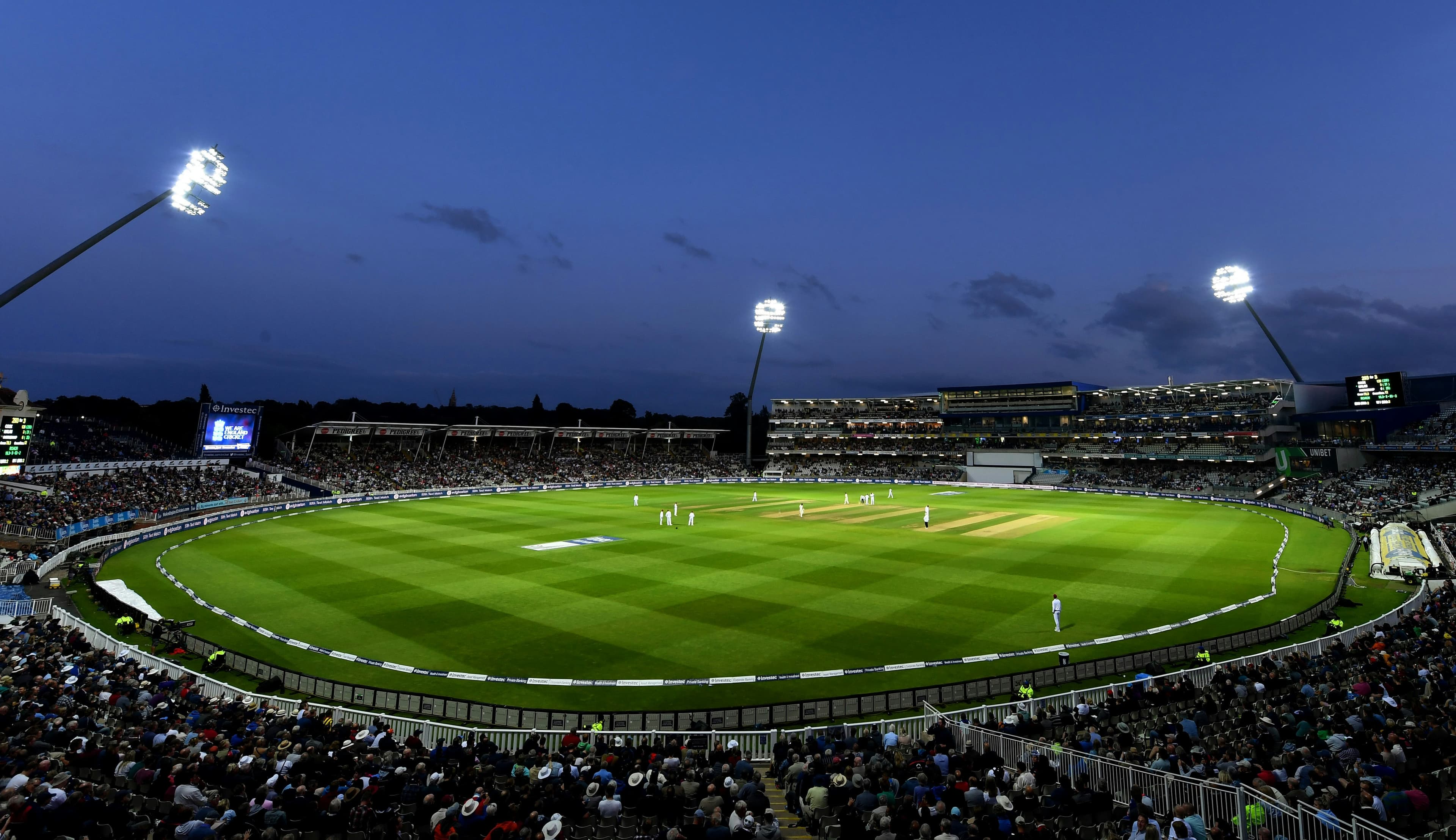
Narendra Modi Stadium in Ahmedabad held over 130,000 people on Sunday night, and every one of them witnessed history. India claimed the ICC Men's T20 World Cup for a record third time, routing New Zealand by 96 runs in a final that was never really in doubt after the first ten overs. The margin of victory tells the story clearly: this was a dominant performance from a team that was dominant throughout the tournament, and the celebrations that erupted across India at the final wicket — from packed fan zones in Mumbai to living rooms in Chennai — reflected the magnitude of what had just been achieved.
How the Final Unfolded
India batted first on a pitch that offered something to the seamers early, and the batting unit negotiated the difficult opening phase well enough to set a target that would prove well beyond New Zealand's reach. The exact score will be debated in cricket analytics circles for its strategic significance — how much of the total was chaseable in theory, and at what point the match effectively ended as a contest — but a 96-run winning margin in a T20 final is categorical. In the shortened format, where a team can chase 180 in twenty overs under the right conditions, losing by nearly a hundred runs means the defending team was never truly in the game.
New Zealand's chase fell apart against an Indian bowling attack that gave the batters absolutely nothing to hit comfortably. The Kiwis have been one of the most consistent teams in ICC tournament cricket over the past decade — disciplined, resourceful, and difficult to put away — which makes the size of the final defeat a reflection of how well India bowled rather than how poorly New Zealand batted. On another day, with a different bowling attack, that New Zealand lineup is capable of chasing 170.
Jasprit Bumrah's Tournament and What He Did in the Final
Jasprit Bumrah has been the best bowler in T20 international cricket for several years running, and this tournament was a reminder of what separates him from almost everyone else at the format. His ability to execute at the death — those final four overs when batters are looking to attack and margins for error essentially disappear — is based on a unique wrist action that generates awkward angles and late movement that batters struggle to read even when they know it is coming.
In the final specifically, Bumrah's spell in the powerplay and his return to the attack in the middle overs effectively broke New Zealand's chase before it reached half the target. The wickets he took were not flukes or fortune — they were the result of sustained pressure bowling that forced batters into decisions they would not have made against less accurate opposition. His tournament figures across all matches will rank among the best in T20 World Cup history, and his performance in the final was the defining individual contribution of the night.
What a Third Title Means for Indian Cricket
India's first T20 World Cup victory came in 2007 under MS Dhoni, in a tournament that was played almost as an afterthought by many established cricketing nations still adjusting to the format. The second came in 2024, also under Rohit Sharma's captaincy — a tournament that ended a long ICC trophy drought and produced one of the most celebrated Indian cricket moments in years. A third title, also on home soil, cements this generation of Indian cricket as one of the most successful in the format's history.
The hosting context amplifies the achievement. Playing a World Cup final at Narendra Modi Stadium, the world's largest cricket ground, before a capacity crowd that was entirely behind you, is both an enormous advantage and an enormous pressure. India has had tournament campaigns buckle under the weight of home expectation before — most painfully in the 2023 ODI World Cup final loss against Australia on the same ground. The ability to perform in that cauldron, against a quality opponent, and win comfortably, speaks to a mental fortitude that the team has clearly developed.
New Zealand's Continued ICC Final Heartbreak
New Zealand's record in ICC tournament finals has become one of cricket's more painful narratives. The Blackcaps have consistently performed well enough in knockout cricket to reach finals but have struggled to close them out. This defeat adds to a list that includes the 2019 ODI World Cup final loss to England on boundary countback and the 2021 T20 World Cup where they fell in the semi-finals. They are a team whose tournament cricket is respected by everyone who follows the game, and whose final record is a persistent frustration for their supporters.
Sunday's margin of defeat will sting particularly because it does not reflect the evenness of the contest through most of the tournament that preceded the final. New Zealand earned their place in the final through genuinely impressive cricket. The final was simply India at the top of their game against a New Zealand side that could not match it on the day — a result that is difficult to take when the gap in quality between the teams across the full tournament was considerably smaller than a 96-run defeat suggests.
AI Summary
Generate a summary with AI
