India Becomes Third Largest Producer of Solar and Wind Energy
India has moved into the position of the third-largest producer of solar and wind energy in the world. This shift reflects years of steady capacity additions and policy support aimed at reducing dependence on fossil fuels. The scale of expansion is visible across several states, where large solar parks and wind corridors now form a regular part of the energy mix.
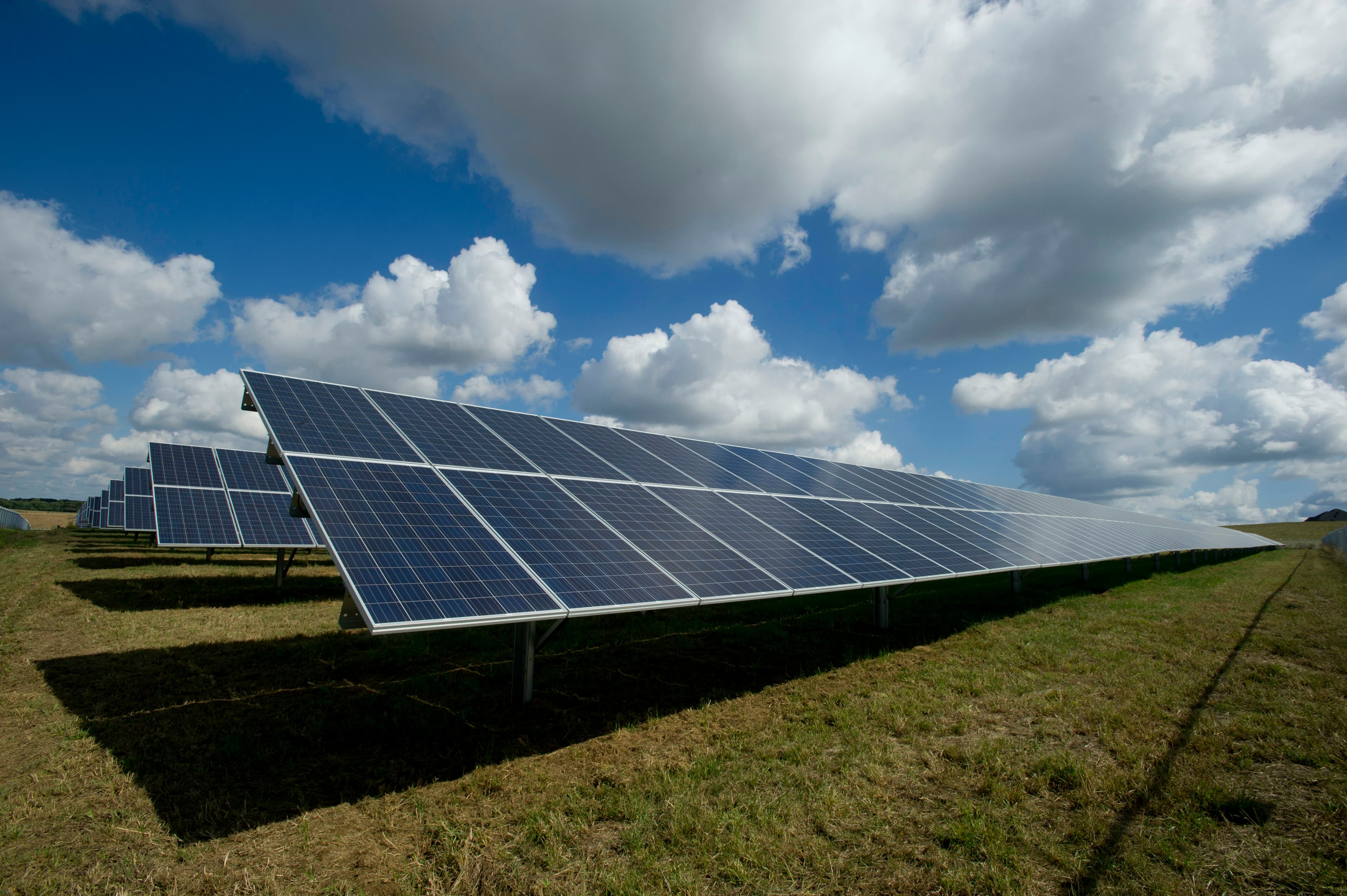
This growth has not come overnight. Over the past decade, India has steadily increased its renewable energy targets and backed them with auctions, incentives, and infrastructure development. Solar installations in particular have seen rapid expansion due to falling equipment costs and large-scale projects in regions with high sunlight exposure.
How India reached this position
Government policies have played a central role in pushing renewable energy capacity higher. Programs focused on solar parks, rooftop installations, and hybrid projects combining wind and solar have helped developers plan long-term investments. Competitive bidding has also driven down tariffs, making renewable power more affordable for distribution companies.
Private sector participation has grown alongside policy support. Energy companies have expanded their portfolios to include large renewable assets, often backed by long-term purchase agreements. This has provided a degree of revenue certainty, which is necessary for projects that require significant upfront investment.
Impact on energy mix
Renewable energy now forms a growing share of India’s total installed capacity. Solar and wind together are helping reduce reliance on coal during certain parts of the day, especially when sunlight and wind conditions are favorable. This shift has started to influence how power is scheduled and distributed across the grid.
Grid management remains a challenge as renewable sources depend on weather conditions. To address this, India has been investing in energy storage solutions and transmission networks that can move power across regions. These systems help balance supply when generation fluctuates.
Climate and economic effects
Higher renewable output supports India’s climate goals by reducing carbon emissions from power generation. While coal still plays a major role, the rise of clean energy offers a path to gradually lower emissions intensity. This is particularly relevant as energy demand continues to grow with economic activity.
There are also economic effects. Renewable projects create jobs during construction and maintenance phases. Equipment manufacturing, including solar modules and wind components, has started to develop within the country, which can reduce import dependence over time.
What comes next for renewable expansion
India continues to set higher targets for renewable capacity in the coming years. Achieving these goals will depend on faster project execution, better grid integration, and continued investment in storage technologies. Land availability and financing remain practical concerns that developers need to manage.
The current ranking reflects a clear change in how India generates electricity. The next phase will be about maintaining this pace while ensuring that the grid can handle a larger share of renewable power without disruptions.
AI Summary
Generate a summary with AI
