India and Sweden Hold Talks on Indo-Pacific and EU Relations
India and Sweden have held a new round of Foreign Office Consultations, focusing on the Indo-Pacific and their engagement with the European Union. These discussions come at a time when countries are reassessing trade, security, and political ties across regions that are becoming more closely linked.
The meeting brought together senior officials from both sides, continuing a structured dialogue that has been in place for years. While such consultations may seem routine, they often shape how countries coordinate on larger issues, from maritime security to regulatory cooperation with the EU.
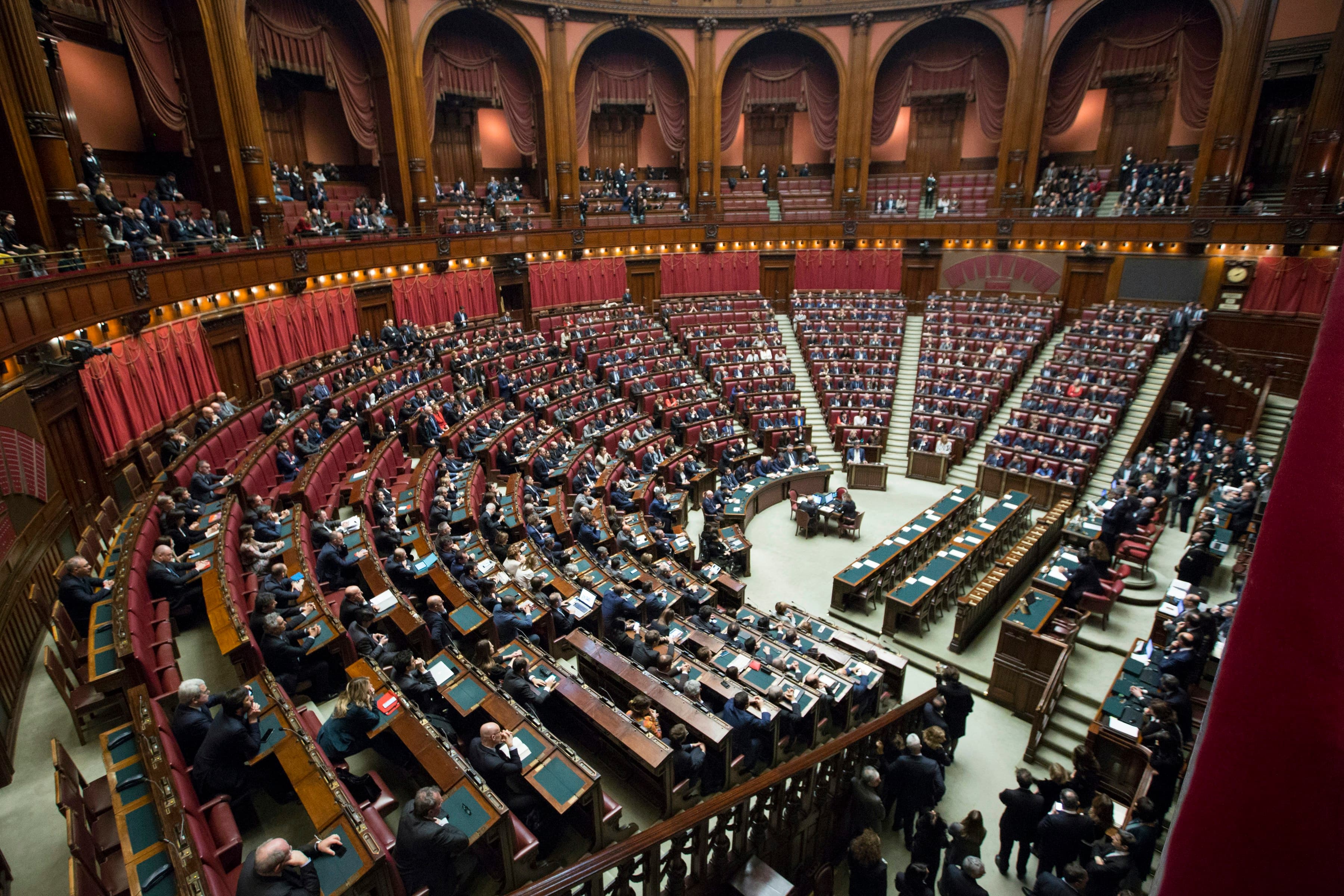
focus on the indo-pacific region
The Indo-Pacific has become a central topic in many diplomatic conversations. For India, the region connects its economic and security interests across Asia and beyond. Sweden, while geographically distant, has increased its attention to the area through its broader European commitments and trade interests.
During the talks, both countries discussed maritime routes, economic cooperation, and regional stability. India has been active in building partnerships in this space, and European countries have shown growing interest in staying involved in developments there.
european union relations in focus
Another major topic was India’s relationship with the European Union. Sweden, as an EU member, plays a role in shaping the bloc’s policies. Discussions likely covered ongoing trade negotiations, regulatory alignment, and areas where both sides can reduce barriers for businesses.
India and the EU have been working on a trade agreement for several years. Progress has been gradual, with both sides balancing domestic priorities and external commitments. Meetings like this help maintain communication channels and keep negotiations moving, even when formal agreements take time.
why these consultations matter
Foreign Office Consultations allow countries to address multiple issues in one setting. Instead of focusing on a single topic, they cover a range of areas such as trade, security, climate policy, and technology cooperation. This format makes it easier to connect different policy areas that often overlap in practice.
For India and Sweden, the talks also reflect a steady relationship that goes beyond headline agreements. Cooperation between the two countries has included industry partnerships and discussions on sustainability, which often tie into EU-wide frameworks.
what to expect next
The outcome of these consultations usually leads to follow-up meetings at different levels. Officials may continue discussions on specific sectors such as trade rules or digital policy. These smaller steps tend to shape the direction of broader agreements over time.
India and Sweden are expected to keep engaging through both bilateral channels and EU platforms. The next formal review of progress could take place during upcoming diplomatic engagements later this year, where both sides will assess how far these discussions have translated into concrete actions.
AI Summary
Generate a summary with AI


