Illinois Democratic Senate primary: voters pick a successor to Dick Durbin
Illinois Democrats voted Tuesday in a primary to determine who will carry the party's nomination for the Senate seat Dick Durbin has held since 1997. Durbin, who served as Senate Majority Whip and was one of the longest-serving senators in Illinois history, announced his retirement in 2023, giving the party nearly three years to organize around a successor. The primary has come down largely to three candidates, with Lt. Governor Juliana Stratton among the most prominent.
The candidates and what separates them
Juliana Stratton entered the race with statewide name recognition from her time as Lieutenant Governor under Governor JB Pritzker. She has centered her campaign on criminal justice reform, reproductive rights, and economic policy for working-class communities in Chicago and downstate Illinois. Her profile as the first Black woman elected to statewide office in Illinois has also played a role in building her coalition, particularly in Cook County.
The other major candidates in the three-way contest have drawn support from different wings of the Illinois Democratic Party. The race has not produced a clear consolidating figure around whom the party establishment uniformly organized, which has kept the outcome competitive heading into primary day. Endorsements split across the field, and polling throughout the cycle showed no candidate with a commanding lead.
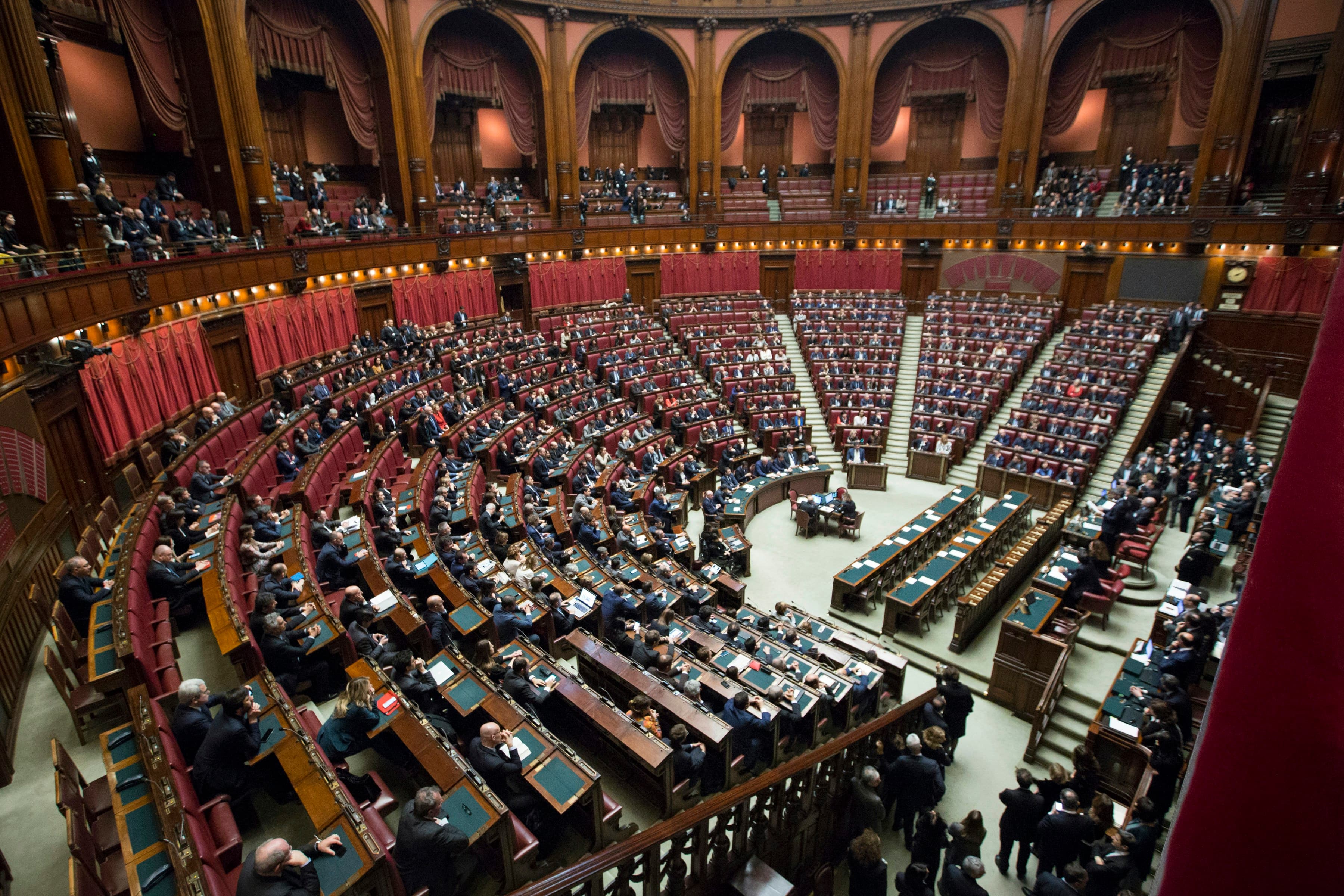
Dick Durbin's legacy and what the seat means
Durbin first won his Senate seat in 1996, defeating incumbent Republican Al Salvi. He went on to serve nearly three decades, rising to become the second-highest-ranking Democrat in the Senate as Minority Whip and later Majority Whip. He was a co-author of the DREAM Act, a supporter of the Affordable Care Act, and chaired the Senate Judiciary Committee during a contentious period that included Supreme Court confirmation hearings for Ketanji Brown Jackson.
Replacing a senator of that tenure is not simply a matter of finding someone with the right policy positions. Durbin's seniority meant Illinois had outsized influence in Senate committee structures. Whoever wins the general election in November will start as a freshman senator with no committee seniority, which means Illinois's institutional weight in the chamber will decline regardless of who wins.
Why this race matters in the 2026 midterm context
The 2026 midterm map is challenging for Republicans in Senate races, with more GOP incumbents up for re-election than Democrats. Illinois is not a state Republicans expect to win, but an open seat in a presidential-year-off election cycle always carries more uncertainty than a race with an incumbent. Democrats need to hold Illinois firmly to maintain any realistic path to reclaiming a Senate majority, which currently sits with Republicans after their 2024 gains.
Illinois has not elected a Republican senator since Peter Fitzgerald won in 1998, and demographic trends in the Chicago metropolitan area have made the state increasingly difficult for Republicans in statewide contests. That said, Democrats have lost Illinois governor races before when their candidate ran a weak campaign or the party was nationally unpopular. The primary result will determine whether Democrats enter the general election with a candidate who can consolidate the base while reaching persuadable voters downstate.
What comes after the primary
The winner of Tuesday's Democratic primary will face the Republican nominee in the November 2026 general election. Illinois Republicans have their own primary process to complete, and no single Republican candidate has emerged as a clear frontrunner with the resources to run a competitive statewide race. The Cook Political Report currently rates the Illinois Senate seat as Likely Democratic, though open-seat races are routinely more competitive than races involving an incumbent.
Primary night results are expected to begin coming in after polls close at 7 PM Central Time. Illinois uses a plurality system, so no runoff is required. The candidate with the most votes Tuesday night wins the nomination outright and will represent the Democratic Party in November.
AI Summary
Generate a summary with AI