IEA says Iran war energy crisis is worse than the 1970s oil shocks
The International Energy Agency said Monday that the energy crisis caused by the U.S.-Israel conflict with Iran is a more severe economic threat than the oil shocks of 1973 and 1979. IEA Executive Director Fatih Birol made the comparison directly, pointing to the combination of Strait of Hormuz disruption and the loss of Qatar's LNG exports as factors that together exceed anything the global economy faced during the OPEC embargo or the Iranian Revolution. The 1973 shock cut global oil supply by about 4 to 5 percent. The current disruption, if sustained, affects a substantially larger share of both oil and gas supply simultaneously.
Why this crisis is structurally different from the 1970s
The 1973 Arab oil embargo was a deliberate production cut coordinated by OPEC members. The 1979 shock followed the Iranian Revolution, which removed Iran's roughly 5 million barrels per day from the market. Both events were serious. But they each affected oil supply in isolation. The current crisis affects oil and LNG simultaneously, across a region that now accounts for a far larger share of global energy trade than it did fifty years ago.
Qatar is the world's second-largest LNG exporter, shipping around 77 million tonnes per year before the conflict. Iranian missile strikes have knocked out Qatar's LNG export capacity, according to Birol's Monday statement. Europe rebuilt its LNG import infrastructure after Russia's 2022 invasion of Ukraine specifically to replace Russian pipeline gas, and a significant portion of that replacement supply came from Qatar. Losing Qatari LNG while simultaneously facing Strait of Hormuz disruption creates a supply shock with no obvious short-term replacement.
Asia is absorbing the sharpest impact
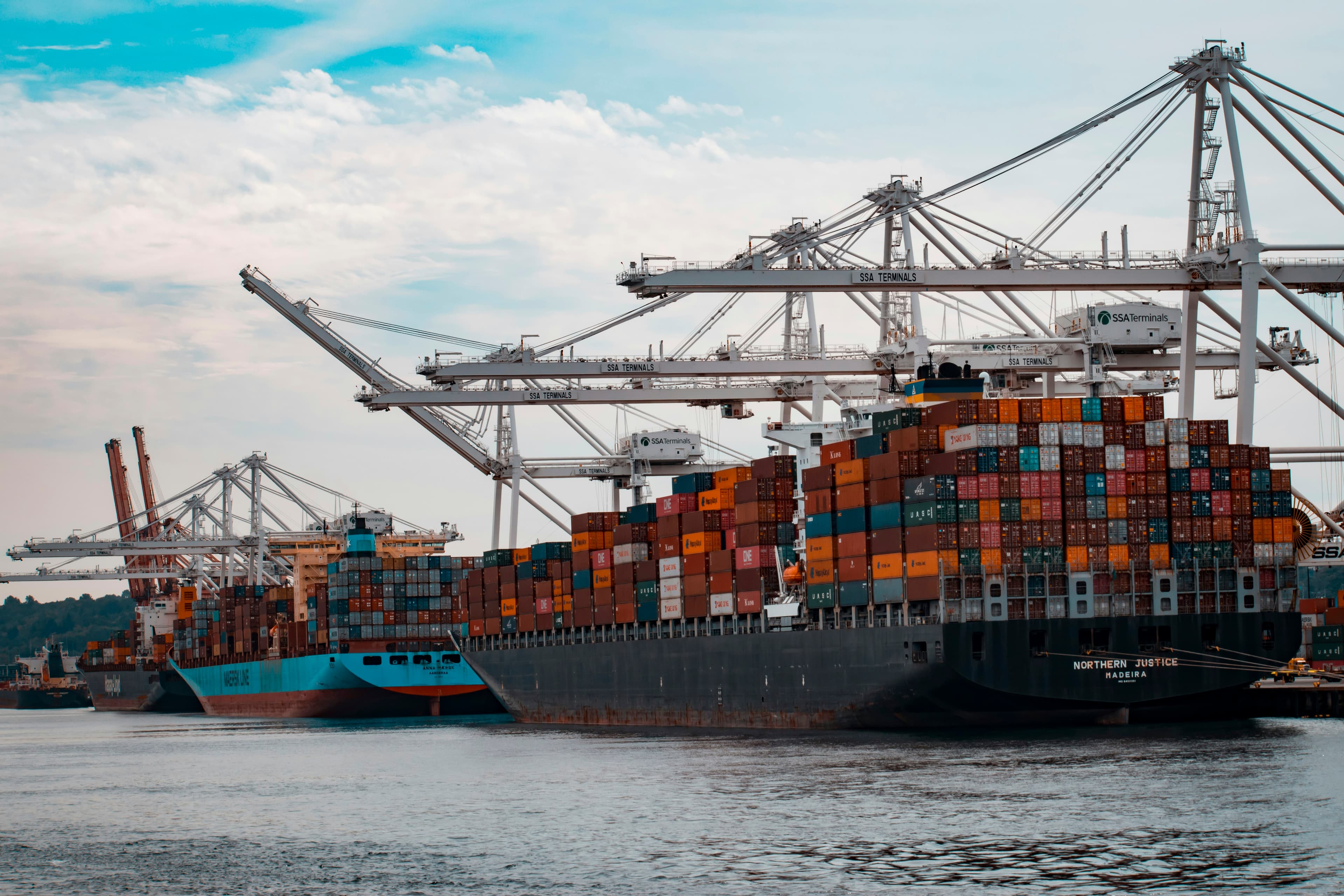
Birol specifically called out Asia as the region facing the most acute consequences. Japan, South Korea, India, and China are the largest buyers of Gulf crude and Qatari LNG. Japan imports roughly 90 percent of its oil from the Middle East, with the Gulf states accounting for the majority of that. South Korea's energy import dependency on Gulf crude is similarly high, at around 70 percent of total oil imports. Neither country has enough strategic reserve capacity to absorb a sustained supply disruption of the current scale.
China is in a slightly different position. It has diversified its oil imports somewhat through Russian crude purchases since 2022, and it holds larger strategic reserves than Japan or South Korea. But China is also the world's largest oil importer by volume, taking in more than 10 million barrels per day, and a significant portion of that still transits the Strait of Hormuz. A prolonged disruption there would hit Chinese industrial output, which has downstream effects on global manufacturing supply chains.
What the IEA's comparison to the 1970s actually means in numbers
The Strait of Hormuz carries approximately 20 million barrels of oil per day under normal conditions, which is roughly 20 percent of global daily demand. Adding Qatar's LNG disruption on top means two distinct streams of globally traded energy are simultaneously impaired. In 1973, the embargo removed 4 to 5 million barrels per day from the market, causing oil prices to quadruple within months. The scale of current supply at risk is significantly larger in absolute terms, even accounting for the fact that the global economy consumes far more energy overall than it did in 1973.
Oil prices had already climbed above $90 per barrel before Trump's Monday announcement of a five-day pause on strikes. The IEA's statement is likely to keep a floor under prices even if diplomatic contacts reduce the immediate risk of further military escalation. Strategic petroleum reserves held by IEA member countries total around 1.5 billion barrels, which the agency has the authority to coordinate for release. During the 2022 Ukraine crisis, IEA members released 60 million barrels in a coordinated action. A release of that scale covers less than three days of Strait of Hormuz normal throughput.
Europe's position and the LNG problem
European gas storage was at around 35 percent capacity heading into spring 2026, below the five-year average for this time of year. European governments had counted on Qatari LNG deliveries continuing through the summer to rebuild storage ahead of the next heating season. With Qatar's export capacity knocked out by Iranian strikes, Europe faces a summer of competing with Asian buyers for whatever LNG is available from the United States, Australia, and smaller producers. U.S. LNG export capacity has expanded significantly since 2022, but it cannot replace Qatari volumes on short notice. The next IEA member emergency coordination meeting is scheduled for later this week.
AI Summary
Generate a summary with AI

