Strait of Hormuz crisis triggers Jones Act waiver and global oil rerouting
The threat to the Strait of Hormuz has moved from a market risk to an operational emergency. The US government has issued a Jones Act waiver, allowing foreign-flagged vessels to transport oil between American ports, a step Washington takes only when domestic shipping capacity cannot meet urgent national energy needs. At the same time, oil importers across Asia and Europe are actively rerouting tankers through alternative passages to avoid what many now consider an effectively hostile waterway.
The Jones Act, formally known as the Merchant Marine Act of 1920, requires that goods transported by sea between US ports be carried on vessels that are American-built, American-owned, and crewed by American citizens or permanent residents. Waiving it is not routine. The last major waiver was issued after Hurricane Ida in 2021 to help move fuel along the US Gulf Coast. This time, the trigger is a geopolitical crisis that is reshaping global energy logistics in real time.
Why the strait cannot simply be bypassed
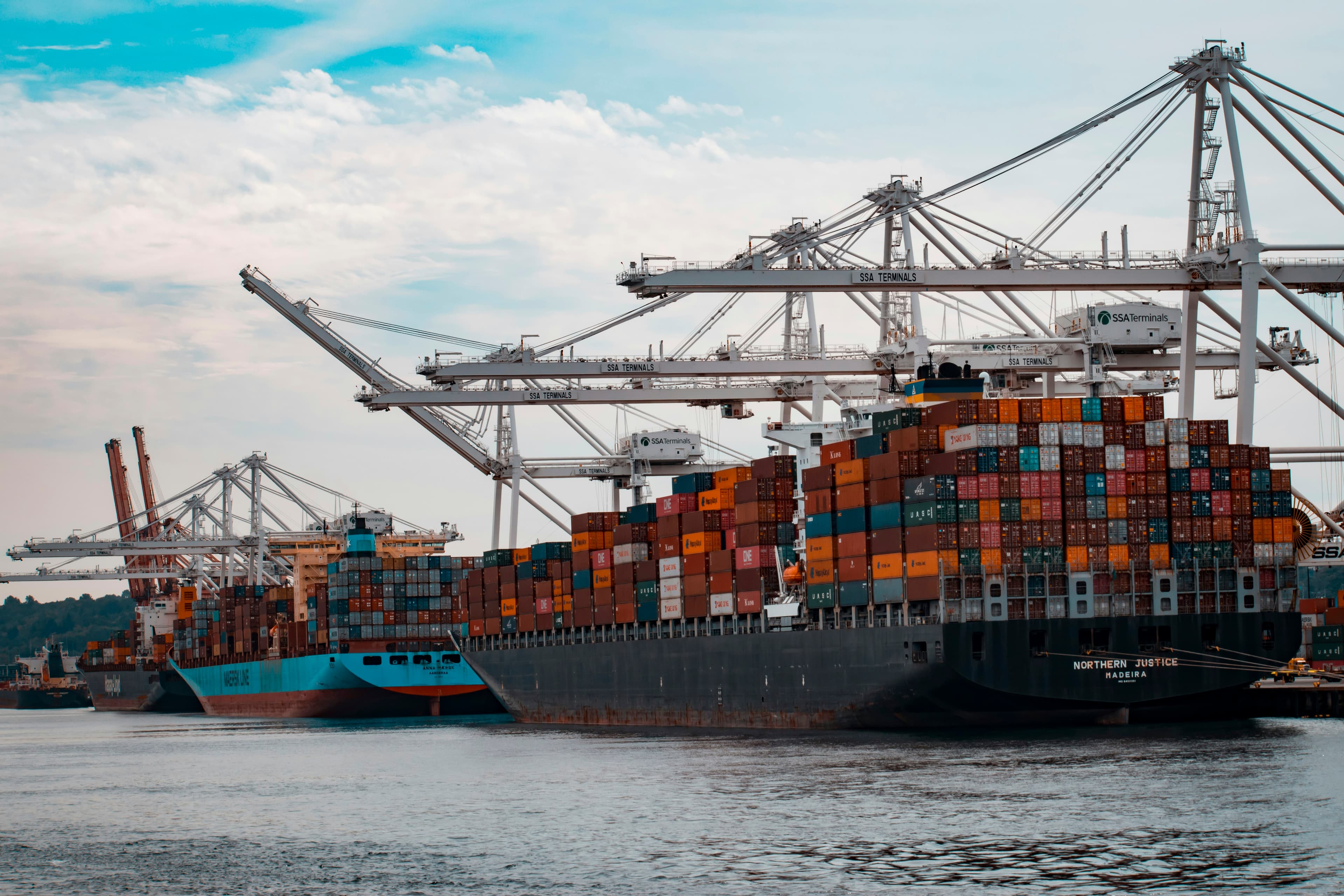
The alternatives to the Strait of Hormuz are limited and slow. The most commonly cited bypass is the Cape of Good Hope route around southern Africa, which adds approximately 15 to 20 extra days to voyages from the Persian Gulf to European and Asian destinations. For a single tanker carrying 2 million barrels of crude, those extra days mean higher fuel costs, higher crew costs, and higher insurance costs, all of which get absorbed somewhere in the supply chain before reaching the end consumer.
Saudi Arabia's East-West Pipeline provides another partial alternative, moving crude from the Eastern Province to the Red Sea port of Yanbu with a capacity of about 5 million barrels per day. That bypasses the strait but does not help Kuwait, Iraq, the UAE, or Qatar, whose export infrastructure has no comparable bypass. Combined, those four countries exported roughly 9 million barrels per day through the strait before the current crisis.
The problem with rerouting through the Red Sea
Rerouting through the Red Sea is not a clean solution either. Houthi attacks on commercial shipping in the Red Sea, which intensified in late 2023 and continued through 2024, have already pushed many carriers to avoid that route and use the longer Cape of Good Hope bypass instead. The Hormuz crisis now creates a situation where one major chokepoint is militarily threatened and the alternative chokepoint has its own security problems. Global shipping is effectively caught between two dangerous passages.
Lloyd's of London war risk insurance premiums for vessels transiting either the Persian Gulf or the Red Sea have reached levels that make some voyages economically marginal for smaller operators. The Baltic Exchange reported that average tanker day rates for Very Large Crude Carriers hit $78,000 per day in the second week of the conflict, compared to a pre-conflict average of around $35,000. That cost increase translates directly into higher delivered oil prices regardless of what happens at the wellhead.
What the Jones Act waiver actually changes
The waiver allows the US to move domestic crude and refined products between ports using a much larger pool of available vessels. In practical terms, it means crude produced in the Permian Basin and exported through Texas Gulf Coast terminals can be redistributed to East Coast refineries more efficiently if the foreign tanker market tightens further. It also signals to global markets that Washington is taking the supply disruption seriously enough to override longstanding domestic shipping protections.
American maritime unions have objected to the waiver, arguing that it undermines US shipbuilding and crewing capacity by allowing foreign competition into domestic routes. The American Maritime Officers union released a statement saying the waiver was premature and that domestic capacity had not been fully tested before foreign vessels were brought in. The administration's position is that the energy security situation does not allow time for that test.
G7 finance ministers issue a joint statement
G7 finance ministers released a joint statement acknowledging that the Hormuz disruption poses a material threat to global trade and inflation. The statement called for coordinated strategic petroleum reserve releases among member nations, urged OPEC producers to maximize output through available bypass routes, and directed the Financial Stability Board to monitor energy market volatility for signs of systemic financial stress.
The US Strategic Petroleum Reserve currently holds approximately 367 million barrels, down from a peak of 727 million barrels before large releases in 2022 during the post-Ukraine price spike. A coordinated release across G7 nations could put an additional 60 to 80 million barrels into the market over 30 days, which provides a buffer but does not replace sustained physical supply through the strait.
Asia's exposure and its policy responses
Japan's Ministry of Economy, Trade and Industry activated emergency petroleum supply measures and directed domestic refiners to draw down commercial inventories rather than wait for restocked imports. Japan's commercial crude stocks were at approximately 90 days of forward cover before the crisis, a relatively comfortable buffer, but the ministry noted that if strait disruption extends beyond 60 days, emergency allocation protocols would be necessary.
South Korea's government announced a temporary reduction in fuel excise taxes by 25 percent to cushion the impact on consumers and logistics companies. India, which imports roughly 45 percent of its crude from the Gulf, has been in active discussions with Russia and the United States about emergency supply arrangements, while simultaneously accelerating spot market purchases of West African crude that does not transit the strait.
European refiners scrambling for alternatives
European refiners have been contacting suppliers in the North Sea, West Africa, and the United States to replace Gulf crude that would normally come through the strait. Norwegian Equinor reported a 40 percent increase in spot purchase inquiries from European refiners in the two weeks since the conflict began. The substitution is technically possible but expensive. Gulf crude grades are optimized for specific European refinery configurations, and switching to alternative grades requires either blending adjustments or equipment modifications that take time.
Germany's Federal Network Agency, the regulator responsible for energy security planning, said in a briefing that Germany had enough combined crude inventory and pipeline supply from non-Gulf sources to sustain refinery operations for approximately 110 days without any Gulf imports. After that point, without a resolution to the Hormuz situation, rationing protocols would need to be considered. The agency's next formal review of supply status is scheduled for the end of March 2025.
AI Summary
Generate a summary with AI


