Hong Kong sushi parasite video triggers food safety investigation
A viral video from a sushi restaurant in Hong Kong has sparked fresh concern about raw seafood safety after a diner recorded what appeared to be a live parasite emerging from sashimi served at the outlet. The clip spread rapidly across social media platforms this week, drawing attention from local health authorities and triggering an official food safety investigation.
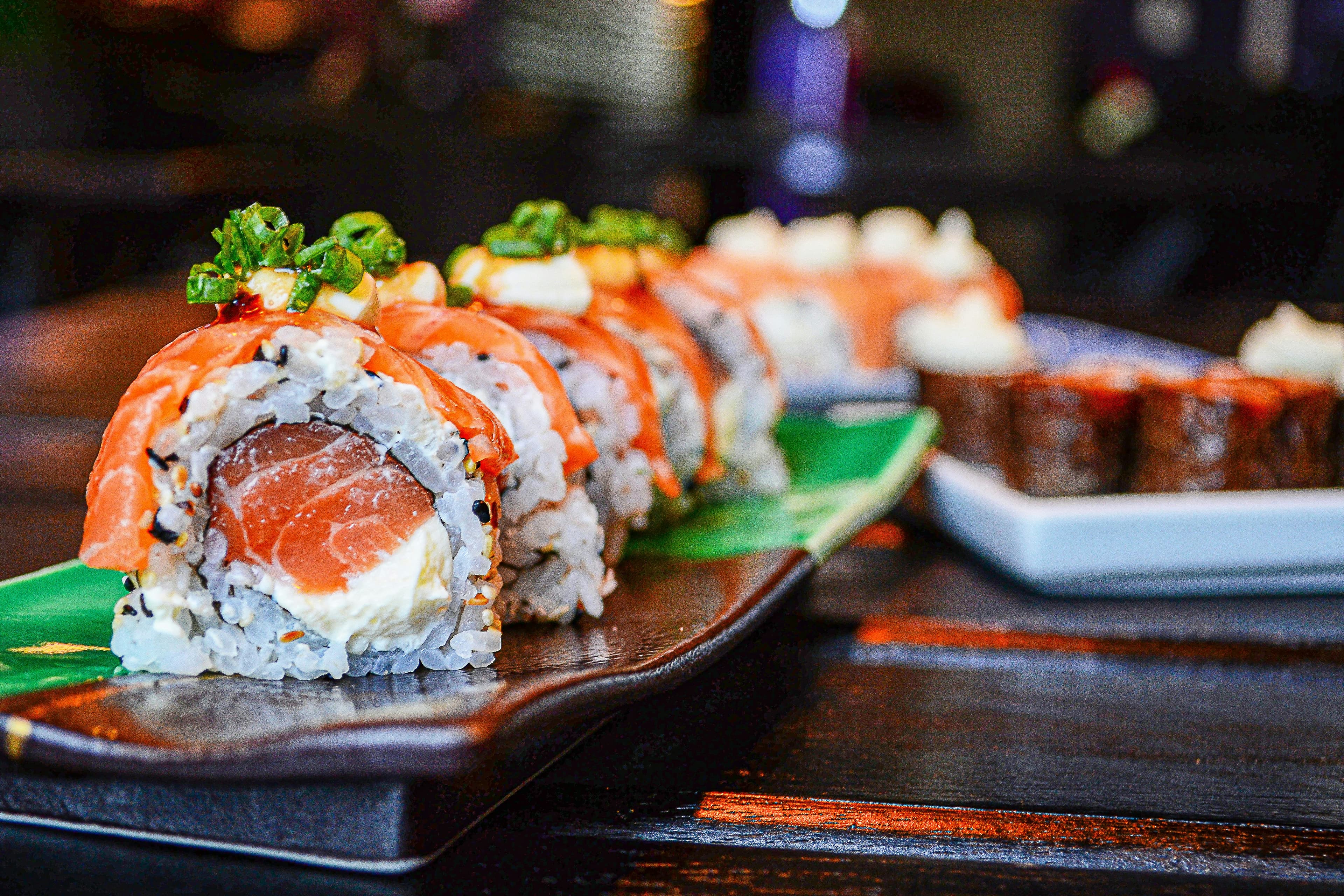
The video reportedly showed a thin worm-like parasite moving inside a slice of raw fish moments before it was eaten. Customers online reacted with a mix of disgust and anxiety, especially regular sushi diners who depend on restaurants to follow strict freezing and storage procedures. Hong Kong's food authorities have since inspected the restaurant and collected samples for testing.
Why raw seafood carries higher risks
Parasites in seafood are not unheard of. Certain marine fish naturally carry parasites that can survive if the fish is not frozen or handled correctly before serving. In professional sushi preparation, fish intended for raw consumption is typically frozen at very low temperatures to kill parasites before it reaches customers.
Restaurants that cut corners on storage, transport, or supplier checks can expose diners to health risks. Symptoms linked to parasite-contaminated seafood may include stomach pain, nausea, vomiting, or intestinal infections. In some cases, parasites can attach to the digestive tract and require medical treatment.
Social media amplified the public reaction
The speed of the online reaction mattered almost as much as the incident itself. Within hours, screenshots and reposts flooded regional social media pages, food forums, and local discussion groups. Many users questioned whether enough inspections are carried out at restaurants serving raw seafood, especially smaller outlets that rely on imported fish deliveries several times a week.
Sushi restaurants depend heavily on customer trust. Unlike cooked meals where heat destroys most bacteria and parasites, raw dishes leave very little room for handling mistakes. One widely shared video can damage a restaurant's reputation overnight, even before official findings are released.
Food safety checks are now under pressure
Hong Kong has strict food import and restaurant hygiene regulations, but enforcement often comes under public scrutiny after viral incidents. Health inspectors are expected to examine sourcing records, storage temperatures, and kitchen handling practices connected to the outlet involved in the video.
The incident has also reopened discussion about consumer awareness. Many diners assume all raw seafood served in restaurants passes identical safety standards, but sourcing quality and preparation methods can vary sharply between outlets. For now, officials are waiting for laboratory results while restaurants across the city face renewed attention from cautious customers.
AI Summary
Key insights from this article