Gut bacteria inject proteins into human cells to control immunity
For years, the gut microbiome has been described as a silent partner in human health. It helps digest food, produces vitamins, and communicates with the immune system. A new study goes further than that familiar picture. Researchers have found that certain gut bacteria can directly inject proteins into human cells, using tiny molecular structures that act like syringes. This is not passive communication. It is direct contact at the cellular level.
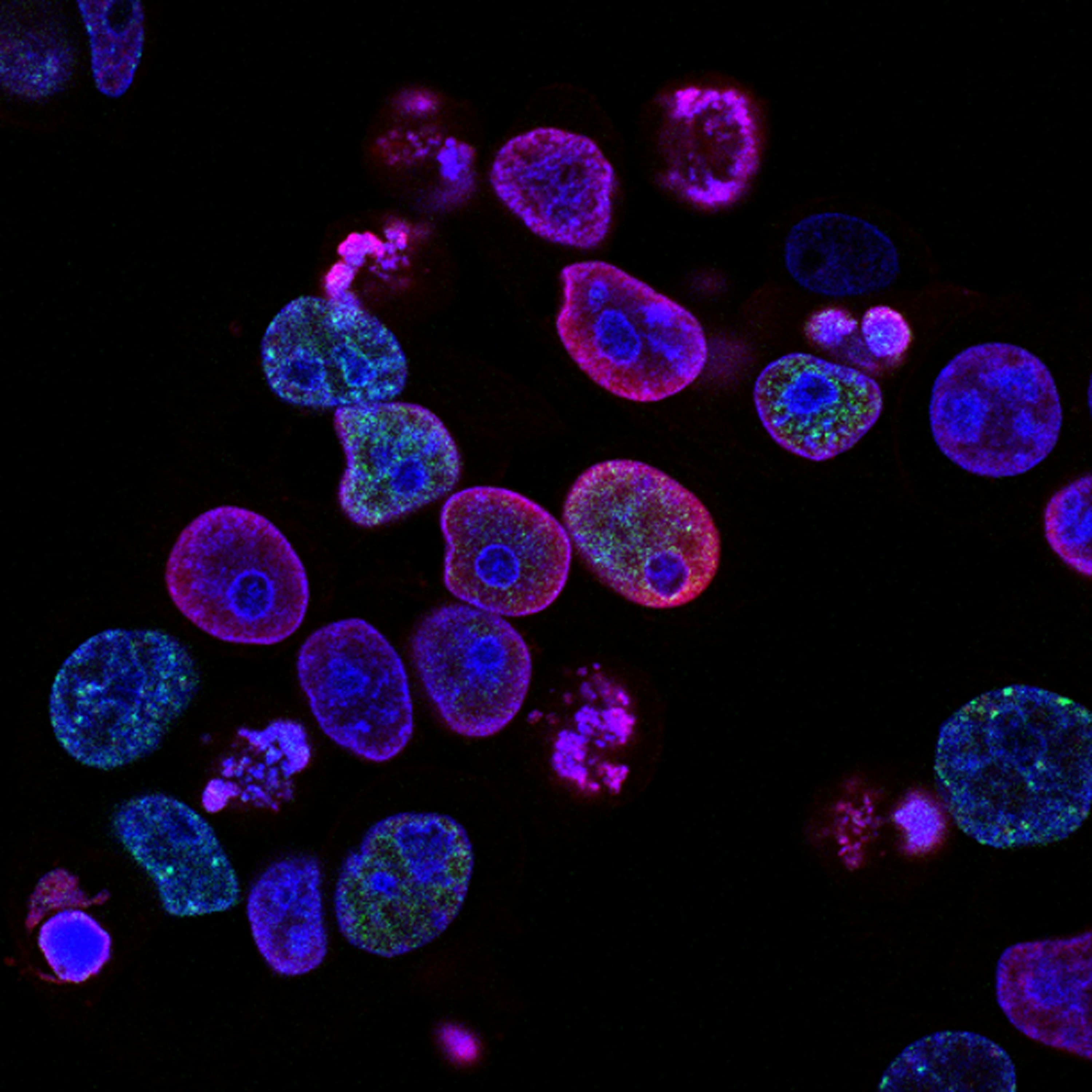
These injection systems were once mainly associated with harmful bacteria. Pathogens use them to hijack cells and cause disease. What makes this finding different is that non-harmful gut bacteria appear to use a similar mechanism, but with a different goal. Instead of damaging cells, they seem to adjust how those cells behave, especially when it comes to immune responses.
how the injection system works
The bacteria carry specialized structures built from protein components. These structures can attach to human cells and deliver small protein molecules directly inside. Once inside, these proteins can influence signaling pathways. That means they can change how a cell reacts to threats, inflammation, or stress.
Unlike hormones or chemical signals that travel through the bloodstream, this method does not rely on distance. It happens at close range, cell to cell. That precision allows bacteria to affect specific cells in the gut lining, which plays a major role in immune defense.
a new view of the immune system
The immune system has long been seen as something that reacts to microbes. This discovery adds a different angle. Some microbes are actively shaping that response in real time. By injecting proteins, they can tone down inflammation or possibly trigger it, depending on the situation.
This helps explain why changes in gut bacteria are linked to conditions such as inflammatory bowel disease and certain autoimmune disorders. If the composition of the microbiome shifts, the signals delivered into human cells may also change. That could push the immune system toward overreaction or leave it less responsive when needed.
what this could mean for treatment
The finding opens up practical questions for medicine. If scientists can identify which bacterial proteins calm harmful inflammation, those proteins could be studied as treatment options. Another approach could involve encouraging the growth of bacteria that naturally deliver beneficial signals to immune cells.
There is also a cautionary side. If certain bacteria can push immune responses in the wrong direction, understanding that mechanism becomes important for controlling disease risk. Future therapies may involve adjusting the microbiome with more precision than current probiotic methods allow.
Researchers are now mapping which bacterial species use these injection systems and what proteins they deliver. Early lab studies are already testing how these proteins alter immune cell behavior. Human trials will take time, but the focus has shifted toward these direct interactions inside the gut lining.
AI Summary
Generate a summary with AI
