Gabbard, Patel, and Ratcliffe testify at House national security hearing
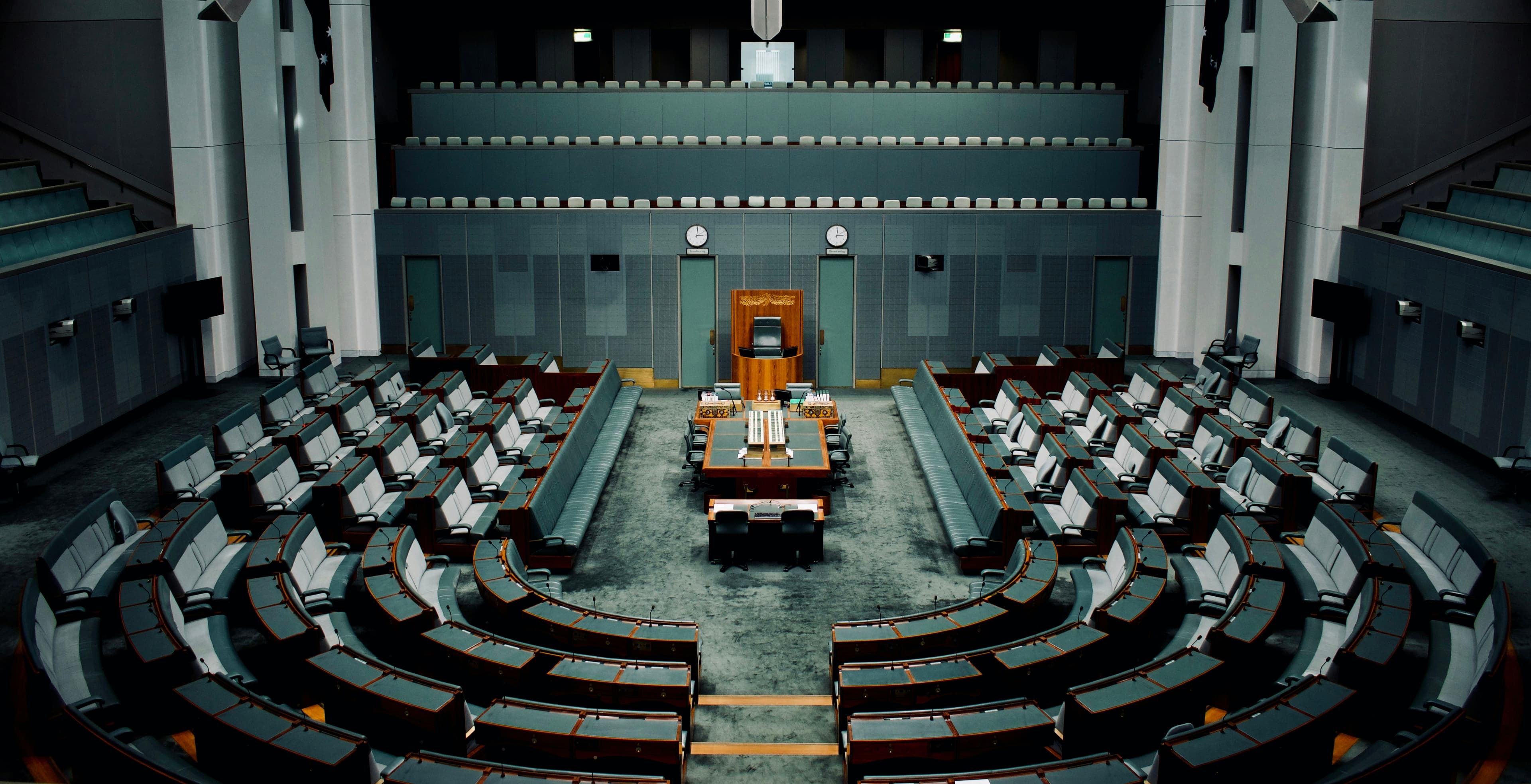
Director of National Intelligence Tulsi Gabbard, FBI Director Kash Patel, and CIA Director John Ratcliffe appeared before a House intelligence panel for the annual national security threats hearing, offering one of the few public windows into how the administration's top intelligence officials assess current geopolitical risks. The hearing covered Iran, China, and the 2026 Annual Threats Assessment, which the intelligence community produces each year to brief Congress on the most serious dangers facing the United States.
Hearings like this one matter because they force intelligence chiefs to state positions on the record that can be compared against subsequent events and policy decisions. What Gabbard, Patel, and Ratcliffe said publicly under oath creates a baseline that congressional oversight committees will hold them to.
Gabbard's assessment of Iran: intact but degraded
Gabbard told the panel that Iran's regime appears intact but largely degraded following US-Israel military operations. That two-word characterisation, intact but degraded, carries a specific meaning in intelligence testimony. It means the Iranian government has not collapsed and its core institutions are still functioning, but its military capacity, command structure, or both have been meaningfully reduced. She did not quantify the degree of degradation or specify which capabilities were most affected.
The phrasing also carries diplomatic weight. Saying Iran is intact signals that the US does not currently assess regime change as imminent, which matters for how allied governments in the region calibrate their own responses. A collapsing Iranian government creates a different set of risks than a weakened but functioning one, including questions about who controls Iran's missile stockpiles and its uranium enrichment infrastructure.
What the 2026 Annual Threats Assessment covers
The Annual Threats Assessment is produced by the Office of the Director of National Intelligence and draws on analysis from all seventeen agencies in the US intelligence community. The public version released alongside the hearing identifies China, Russia, Iran, and North Korea as the primary state-level threats. China's posture toward Taiwan received specific attention during the hearing, with Ratcliffe stating that Beijing continues to expand its military capacity to conduct a forced unification operation, though the CIA's assessment does not indicate an imminent timeline for such an action.
The Taiwan question is not academic. Taiwan produces approximately 90 percent of the world's most advanced semiconductor chips through TSMC. A military conflict in the Taiwan Strait would disrupt global chip supply chains in ways that would affect every technology-dependent industry on the planet, which is part of why the intelligence community treats Chinese military posture toward Taiwan as a top-tier economic threat as well as a security one.
Kash Patel's role at the hearing and what the FBI covered
Patel's appearance was notable given that FBI directors have historically focused these hearings on domestic counterterrorism and counterintelligence threats rather than foreign policy assessments. Patel addressed Chinese espionage operations targeting US technology companies and universities, which the FBI has been investigating with increasing intensity since 2020. He cited the bureau's ongoing work on cases involving attempted theft of semiconductor manufacturing processes and AI research data.
He also addressed Iranian-linked assassination plots against US officials, confirming that the FBI has active investigations into threats against individuals connected to the previous and current administrations. This was not new information in broad strokes, but confirming active cases in public testimony is a deliberate signal to Tehran about what the US government is tracking.
Ratcliffe on CIA operations and the Iran conflict
Ratcliffe declined to discuss specific CIA operations during the open session of the hearing, which is standard practice. He confirmed that the CIA's collection posture in the Middle East has been adjusted since the conflict began and that the agency is providing real-time intelligence support to ongoing military operations. He did not elaborate on what that support involves.
When pressed by Representative Jim Himes of Connecticut on whether the CIA had advance knowledge of the Israeli strike on South Pars, Ratcliffe stated that he could not discuss intelligence sharing arrangements with allied governments in an open hearing. That answer, while procedurally predictable, drew pointed follow-up questions that will likely be continued in the closed classified session that followed the public portion of the hearing.
Congressional reaction and what happens next
Democratic members of the panel pushed hardest on the question of US involvement in the Israel-Iran conflict and whether Congress had been properly notified under the War Powers Resolution. Republican members largely focused their questions on China, border security threats, and fentanyl trafficking networks linked to Mexican cartels and Chinese chemical precursor suppliers.
The classified session following the public hearing is where the substantive intelligence exchange typically happens. Members with appropriate clearances can ask questions that cannot be answered publicly, and the intelligence chiefs can provide assessments that are too sensitive for open testimony. The full committee is expected to receive a classified briefing on the Iran conflict status within 72 hours of the hearing's conclusion, based on a schedule confirmed by the committee's ranking members.
AI Summary
Generate a summary with AI