Fed rate cut odds drop sharply as Iran war inflation dents 2026 easing expectations
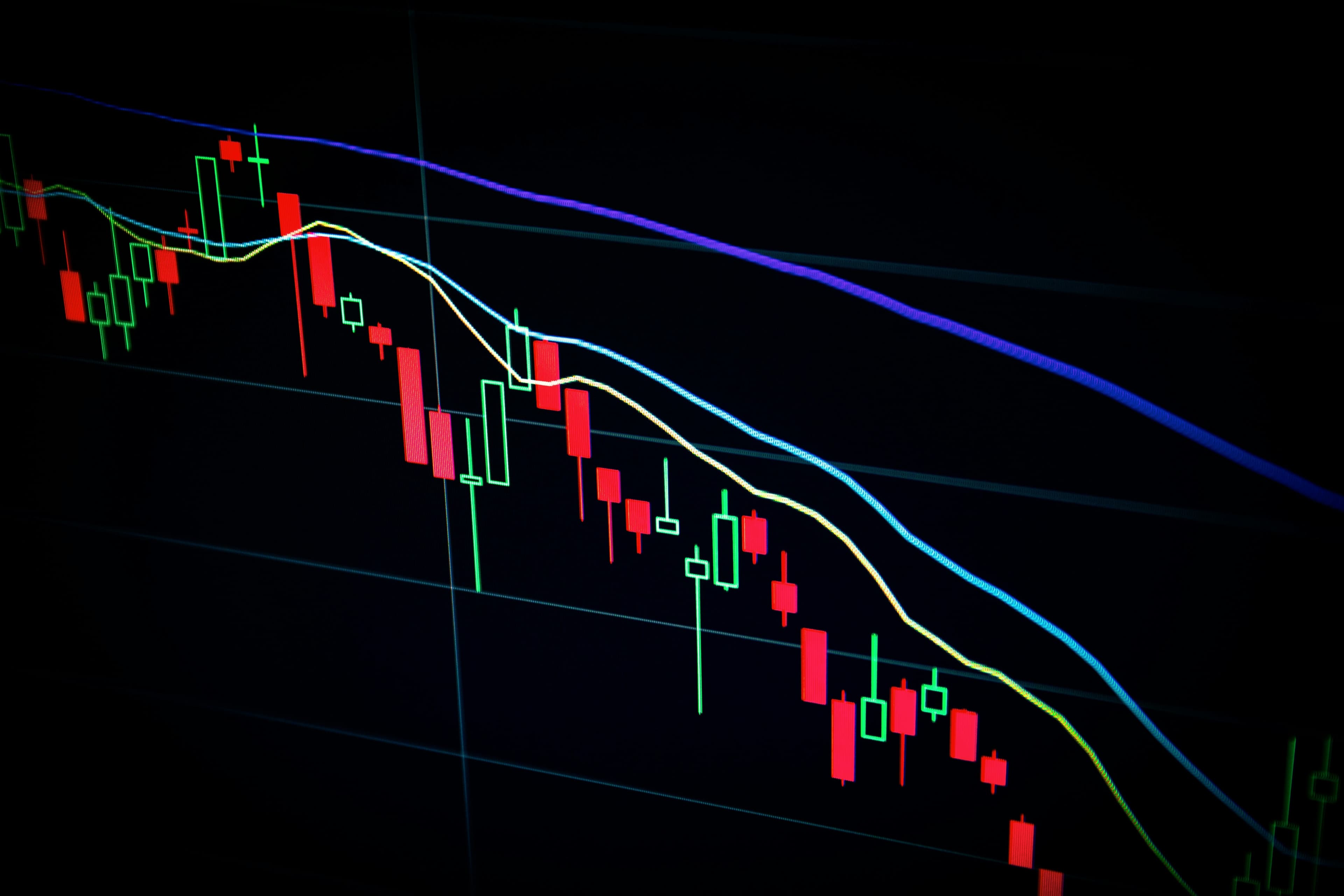
A month ago, markets were pricing in a fairly comfortable path toward Federal Reserve rate cuts in 2026. That picture has changed fast. According to the CME FedWatch Tool, the probability of at least one cut before September has fallen below 50 percent. The odds of two or more cuts this year dropped from nearly 85 percent in mid-February to around 35 percent as of mid-March. The driver is straightforward: war-driven oil inflation is pushing price expectations higher at exactly the moment the Fed had been hoping to ease policy.
US Treasury yields are rising in response. The 10-year Treasury yield climbed back above 4.6 percent in the days after crude prices approached $100 per barrel, reversing gains that had built up over the prior six weeks when markets were still pricing in a more favorable inflation path. Rising yields mean higher borrowing costs for mortgages, corporate debt, and consumer credit, which are the transmission channels the Fed uses to slow the economy. When yields rise because of inflation fear rather than strong growth, the economic effect is contractionary without the Fed having to do anything at all.
Why oil prices complicate the Fed's decision
The Federal Reserve's preferred inflation gauge is the Personal Consumption Expenditures price index, which it targets at 2 percent annually. PCE inflation was running at 2.5 percent in January 2026, already above target. Energy price shocks feed into PCE through both direct energy costs and through the goods and services that use energy as an input, which covers a wide range of consumer spending categories. Goldman Sachs estimated in early March that a sustained $20 per barrel oil price increase adds approximately 0.4 percentage points to PCE inflation over the following 12 months.
The Fed cannot control oil prices. What it can control is whether it validates or resists the second-round effects, meaning whether higher energy costs start pushing up wages and prices in sectors unrelated to energy as businesses and workers adjust their expectations. Federal Reserve Chair Jerome Powell said in February 2026 testimony before the Senate Banking Committee that the Fed would need to see clear evidence that inflation was returning to target before moving on rate cuts. The Hormuz closure and the resulting energy price spike have pushed that evidence further out of reach.
How the FedWatch numbers shifted so quickly
The CME FedWatch Tool derives its probabilities from federal funds futures contracts, which reflect what traders in those markets are actually willing to bet on, not survey-based sentiment. The move from 85 percent odds of two cuts to 35 percent over roughly four weeks is a large shift for that market. A comparable repricing happened in February 2022 when Russia invaded Ukraine and energy prices spiked, pushing rate cut expectations for that year into reverse and forcing the Fed into a tightening cycle it had not fully telegraphed.
The current situation has an additional complication that 2022 did not: the Fed is not in tightening mode. It spent 2023 and 2024 raising rates to a peak of 5.25 to 5.5 percent and then began cutting in late 2024, bringing the rate down to 4.25 to 4.5 percent by early 2026. The question now is whether it needs to pause the cutting cycle entirely or whether it can continue cutting slowly if the energy price shock proves temporary. That question cannot be answered until the Strait of Hormuz situation resolves, and there is no clear timeline for that.
Treasury yields and what they mean for borrowers
The 30-year fixed mortgage rate in the United States tracks closely with the 10-year Treasury yield, with a typical spread of around 170 basis points. With the 10-year yield back above 4.6 percent, 30-year mortgage rates are sitting around 6.3 percent. The National Association of Realtors reported in February 2026 that existing home sales fell 4.2 percent month-over-month, with mortgage rate sensitivity cited as the primary factor. A further rise in Treasury yields would push mortgage rates higher at a moment when the housing market was already struggling with affordability.
Corporate borrowers face the same dynamic. Investment-grade bond spreads have widened modestly since the conflict escalated, adding roughly 15 basis points to average borrowing costs for large US companies above the Treasury yield move. High-yield, or junk bond, spreads have widened more sharply, by approximately 45 basis points, reflecting greater concern about smaller companies' ability to manage higher input costs and weaker consumer spending if the energy shock persists. The Bank of America High Yield Index showed spreads reaching their widest level since November 2023 during the week of March 10.
What the Fed's next meeting will likely show
The Federal Open Market Committee meets next on April 29 and 30. The March meeting produced a hold decision with language indicating that the committee needed more confidence in the inflation trajectory before moving. By April 29, the committee will have March CPI and PCE data, which will capture the initial energy price pass-through from the Hormuz closure. It will also know whether the Treasury's Russia oil sanctions waiver, which expires April 11, has been extended and what effect that has had on crude prices.
If March PCE comes in above 3 percent, which Goldman Sachs's model suggests is possible given the energy shock, the April meeting will almost certainly produce another hold with language that pushes cut expectations further into the second half of 2026. The next Fed projections update, which includes the Summary of Economic Projections and the dot plot showing individual member rate forecasts, is scheduled for the June meeting. That release will be the clearest public signal of how far the inflation shock has pushed the Fed's own internal cut timeline.
AI Summary
Generate a summary with AI


