Eurozone Investor Confidence Plunges Sharply in March Due to Iran War Oil Shock
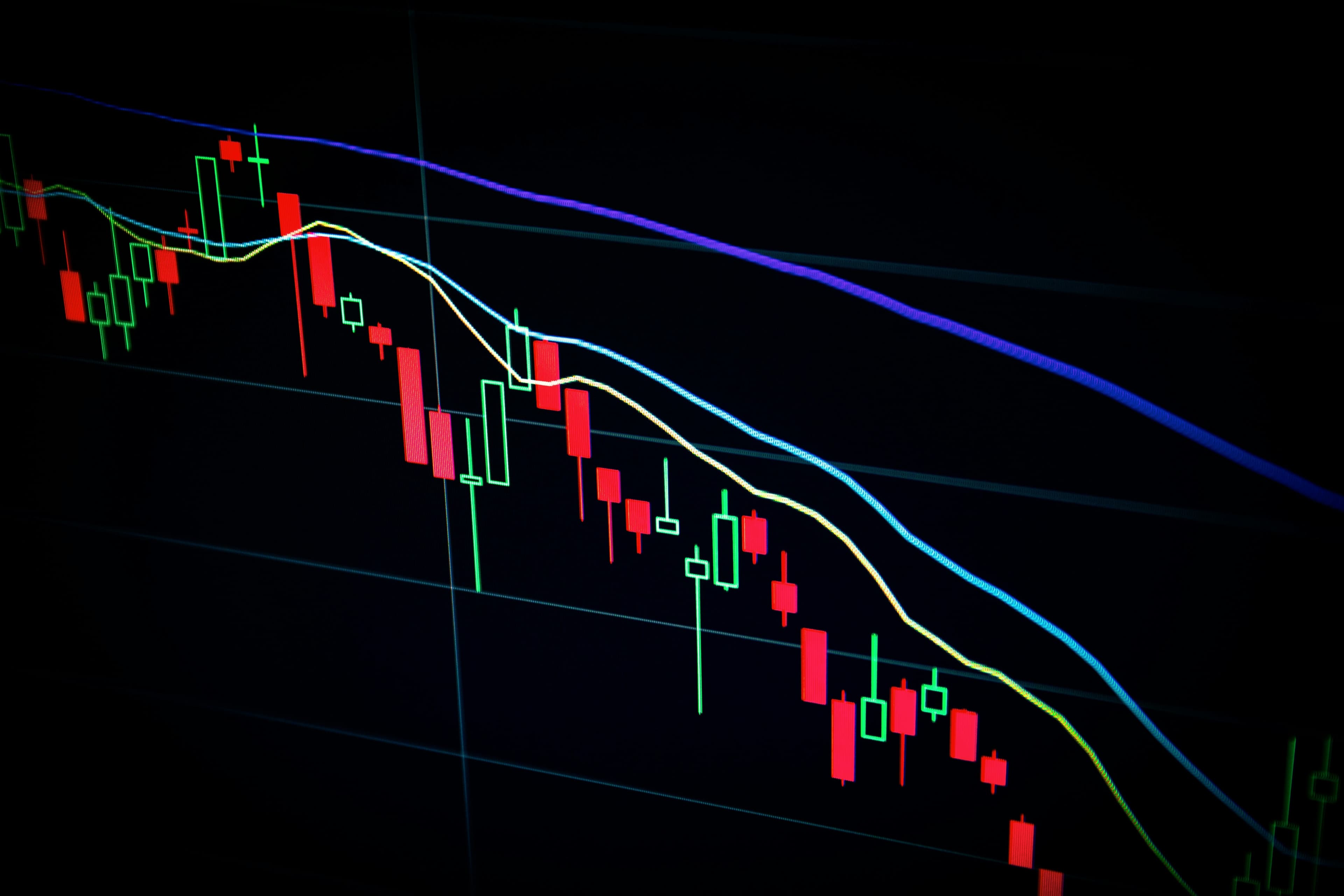
Eurozone investor sentiment has collapsed in March. The Sentix Investor Confidence Index fell to minus 3.1, down from positive 4.2 in February — a swing of more than seven points in a single month, which analysts are describing as one of the sharpest one-month deteriorations in recent data. The culprit is clear: the outbreak of the Iran conflict and the energy price surge that followed. Europe, which imports the vast majority of its energy and has spent years managing the economic fallout from volatile oil markets, is now absorbing another external shock at a moment when its economic recovery was finally beginning to look credible.
Reading the Sentix Index and Why This Drop Matters
The Sentix index measures the economic expectations of institutional and private investors across the eurozone, and it functions as an early warning gauge for where economic momentum is heading before the harder data — GDP, industrial output, employment — catches up. A reading above zero means investors are net optimistic about the economic outlook; below zero signals net pessimism. Moving from plus 4.2 to minus 3.1 in a single month means the balance of investor opinion flipped from cautiously positive to outright negative in the span of four weeks.
The magnitude of the swing matters as much as the direction. Sentiment indicators move gradually under normal conditions, as investors reassess their views incrementally in response to incoming data. Sharp single-month moves typically reflect a specific shock event — and in this case the attribution is unusually direct. Respondents pointed to the Iran conflict and the energy price consequences as the primary driver of their revised outlook, which gives the reading more interpretive clarity than sentiment surveys sometimes provide.
Europe's Energy Vulnerability Has Not Gone Away
The eurozone's relationship with energy price shocks is a structural vulnerability that the region has been managing, with varying degrees of success, for years. The 2022 gas crisis that followed the invasion of Ukraine exposed how dependent European industry and household budgets were on external energy supply, and the policy response — accelerated renewables deployment, LNG import infrastructure, efficiency measures — has reduced but not eliminated that exposure. When oil prices surge due to a Middle East conflict, European manufacturers face higher input costs, logistics operators face higher fuel bills, and consumers face higher prices at the pump. All of that compresses economic activity.
The current shock has additional dimensions that make it more disruptive than a simple oil price increase. The disruption to Strait of Hormuz shipping and the cancellation of thousands of regional flights have affected goods trade flows that European companies depend on for components and finished products. Supply chain friction compounds the energy cost impact, creating a dual squeeze on corporate margins that investors are now pricing into their expectations for earnings and growth.
The ECB's Difficult Position
The European Central Bank was already navigating a delicate path before March's sentiment collapse. Inflation had been moderating toward the ECB's target, opening the door for continued rate cuts to support a tentative economic recovery. The Iran conflict has complicated that calculus significantly. Energy-driven inflation is supply-side in origin, which means rate cuts won't address it — but rate cuts might still be necessary to support growth if the energy shock tips the eurozone back into contraction territory. That's the stagflation trap that central banks universally dread: rising prices and falling growth at the same time, with no policy tool that addresses both simultaneously.
ECB policymakers will be watching the March Sentix reading closely, not because sentiment surveys drive policy directly, but because they feed into the narrative around economic trajectory that shapes rate deliberations. A single month of sharp deterioration can be dismissed as noise if it reverses quickly. If April's reading shows continued pessimism, the ECB's internal growth forecasts will almost certainly be revised downward, which changes the rate path calculus in ways that markets will need to reprice.
What Investors Are Actually Worried About
Behind the headline number, the Sentix data captures two distinct components: current situation assessments and expectations for six months ahead. When expectations deteriorate faster than current situation readings, it suggests investors see the worst as still ahead rather than already priced in. That's the more concerning configuration, because it means the real economic data — which always lags sentiment — hasn't yet reflected what investors are bracing for. European equity markets and credit spreads will be the places to watch for evidence of whether investors are hedging that view or simply expressing it in survey responses.
The eurozone was not starting from a position of strength heading into this shock. German industrial output had been struggling, French political uncertainty had weighed on business confidence, and the broader region's growth rate was modest at best. An external energy shock of the magnitude the Iran conflict has delivered doesn't need to be catastrophic on its own to be consequential — it just needs to be large enough to push an already fragile growth trajectory into negative territory. March's Sentix reading suggests investors believe that threshold may already have been crossed.
AI Summary
Generate a summary with AI