COVID variant BA.3.2 'Cicada' now circulating in 25 US states
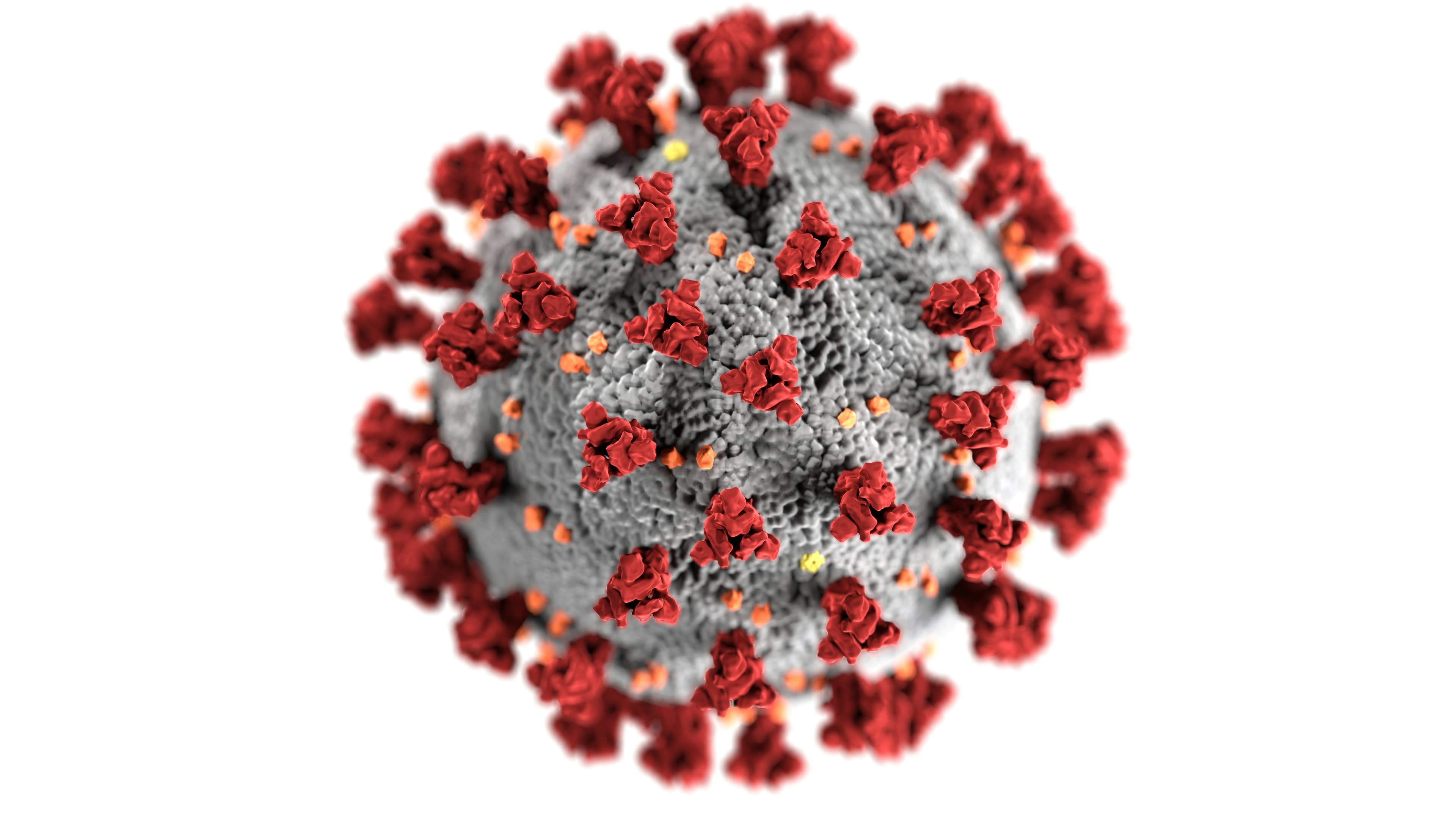
A new COVID-19 variant called BA.3.2, informally nicknamed Cicada, has been detected in at least 25 US states according to CDC tracking data. The variant carries a notably mutated spike protein, the part of the virus that most vaccines are designed to target. That combination of wide geographic spread and spike protein changes has drawn attention from public health researchers monitoring its trajectory.
BA.3.2 is not the first heavily mutated variant to circulate since the original Omicron wave began in late 2021, but its spread across half the country within a relatively short detection window puts it in a category that the CDC is watching more closely than the background noise of minor variants that appear and fade quickly.
What makes BA.3.2 different from recent variants
The spike protein mutations in BA.3.2 are concentrated in regions that antibodies generated by prior infection or vaccination typically bind to. When those binding sites change significantly, the immune response built up through earlier exposures becomes less effective at neutralizing the virus. This is not a new phenomenon. XBB.1.5, JN.1, and KP.2 all carried mutations in similar regions and each caused partial immune evasion compared to earlier variants.
What is being confirmed about BA.3.2 is that current antiviral treatments, specifically Paxlovid and remdesivir, retain their effectiveness. Both drugs work by targeting viral replication mechanisms rather than the spike protein, which means spike mutations do not directly undermine their ability to reduce severe illness. That is a meaningful distinction for high-risk patients who need treatment options regardless of which variant is circulating.
How vaccine effectiveness could be affected
The updated COVID vaccines deployed in the fall of 2024 were formulated to target JN.1 and its close descendants. BA.3.2 diverges from that lineage enough that protection against infection, particularly mild to moderate illness, may be reduced compared to what those vaccines provide against the strains they were designed for. Protection against severe disease and hospitalization tends to be more durable across variants because it involves T-cell responses, not just antibody binding.
The FDA's advisory committee on vaccine composition is scheduled to meet in the coming months to review which strains should be targeted in fall 2025 formulations. If BA.3.2 continues spreading and its prevalence rises substantially in CDC genomic surveillance data, it becomes a candidate for inclusion in updated vaccine targets. That decision timeline aligns with the manufacturing lead time needed for fall vaccine production.
Who is most at risk from BA.3.2
The risk profile follows the same pattern established across all post-Omicron variants. Adults over 65, people who are immunocompromised, and individuals with serious underlying conditions including heart disease, diabetes, and chronic lung disease remain at elevated risk for severe outcomes. The CDC estimates that adults 65 and older account for approximately 70 percent of COVID-related hospitalizations in recent surveillance periods, a figure that has remained consistent across variant waves.
For healthy adults under 65 with recent vaccination or infection history, BA.3.2 is unlikely to cause illness significantly different from other circulating respiratory viruses. Symptoms reported in early case clusters are consistent with prior Omicron subvariant presentations: sore throat, fatigue, nasal congestion, and fever in some cases.
What the CDC is doing to track BA.3.2
The CDC's genomic surveillance network, which sequences a sample of positive COVID tests to identify which variants are circulating, detected BA.3.2 in 25 states in its most recent reporting cycle. The actual number of states with active cases is likely higher, since not every state sequences an equal proportion of its positive tests. States with larger sequencing programs tend to detect new variants earlier, which creates a geographic reporting lag.
BA.3.2's current share of sequenced cases nationally is still relatively low compared to the dominant variants in circulation. Whether it becomes the dominant strain depends on whether it outcompetes existing variants in real-world transmission conditions, which the CDC's weekly variant proportion data will reflect over the next four to six weeks.
AI Summary
Generate a summary with AI


