CoreWeave Forecasts $30 Billion in Capital Expenditures for 2026 After Earnings Miss
CoreWeave just dropped a number that made Wall Street do a double-take. The AI cloud computing company, which only went public earlier this year, has announced plans to spend at least $30 billion on capital expenditures in 2026 — more than double the $15.4 billion it spent in 2025. That's an enormous bet on AI infrastructure at a time when investors are already questioning how quickly that spending translates into actual profit.
The announcement came alongside Q4 earnings that were, by most measures, underwhelming. While the company technically beat on earnings per share, its net loss ballooned to $284 million — compared to just $36 million in the same period the prior year. Shares fell as much as 10% in after-hours trading. Not exactly the debut performance investors were hoping for.
What CoreWeave Actually Does
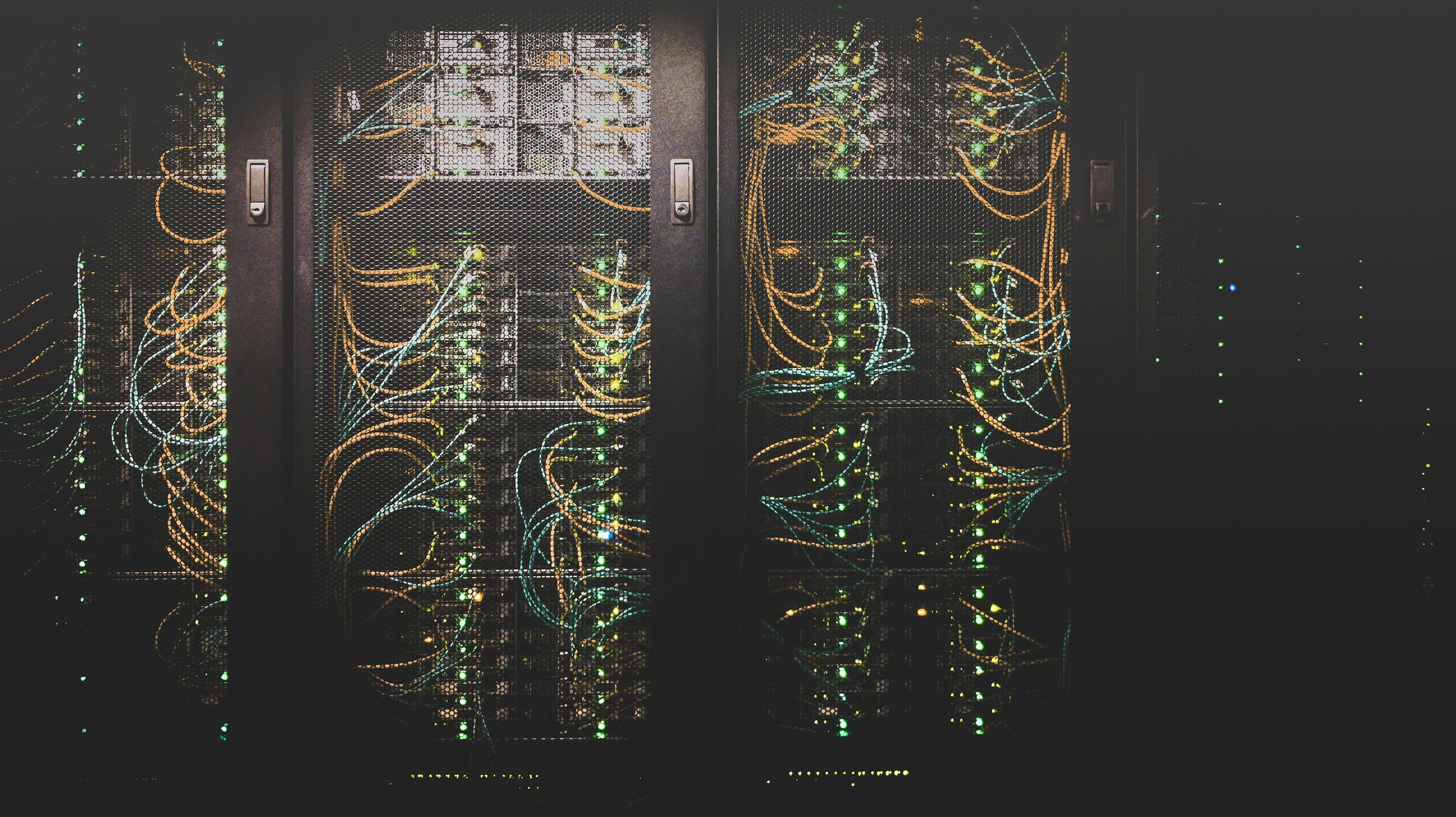
CoreWeave operates GPU-dense data centers designed specifically for AI workloads. Think of it as a specialized cloud provider — not trying to compete with AWS on everything, but carving out a niche renting high-performance compute to AI labs, enterprises, and anyone training or running large models. The company has close ties to Nvidia and has built its entire infrastructure around Nvidia's GPU ecosystem.
Its biggest customers include Microsoft and other hyperscalers who need overflow GPU capacity — or companies that want dedicated infrastructure without building it themselves. CoreWeave has positioned itself as the go-to option for organizations that need serious compute power but can't wait years for their own data centers to come online.
Why Spend $30 Billion?
The logic, from CoreWeave's perspective, is pretty straightforward: demand for GPU compute is growing faster than supply, and whoever locks up the most capacity now wins the next few years. CEO Michael Intrator has consistently argued that the company is in a land-grab phase — capital intensive, yes, but necessary to stay relevant as AI workloads scale.
The $30 billion figure isn't just aggressive — it's a statement of intent. It signals that CoreWeave sees the next 12 to 24 months as a defining window. If AI model training and inference demand continues accelerating the way most forecasts suggest, companies that built out capacity early will have a structural advantage. CoreWeave is clearly betting it can monetize that infrastructure before the losses become unsustainable.
The Concern Investors Can't Ignore
Here's the tension: spending $30 billion requires either massive revenue or significant debt and equity financing — possibly both. CoreWeave's revenue is growing, but the gap between what it spends and what it earns is widening, not narrowing. A net loss jumping from $36 million to $284 million in a single year isn't a rounding error. It's a signal that the company is burning through cash at a pace that demands scrutiny.
There's also the customer concentration risk. A large chunk of CoreWeave's revenue flows from a handful of clients. If Microsoft, for example, decides to pull back or shift strategy — as hyperscalers have been known to do — CoreWeave's top line could take a serious hit while the infrastructure costs remain fixed.
The Broader AI Infrastructure Race
CoreWeave isn't alone in this kind of spending. Microsoft, Google, Amazon, and Meta have all announced massive AI infrastructure investments running into the tens of billions for 2025 and 2026. The difference is that those companies have diversified revenue streams that can absorb the capital expenditure. CoreWeave is a pure-play infrastructure bet — it lives and dies by whether AI compute demand stays strong and whether it can charge enough per GPU-hour to justify the investment.
The market's after-hours reaction — shares down 10% — suggests investors aren't fully convinced the math works out. That said, early skepticism about infrastructure plays isn't new. The same concerns followed cloud providers in their early years, and the ones who survived the burn phase came out dominant. CoreWeave is making the case that it's in that same category. Whether the next few years prove that right is still very much an open question.
What to Watch Going Forward
The key metrics to track: how quickly CoreWeave can convert new data center capacity into contracted revenue, whether it diversifies its customer base beyond a few anchor clients, and how the debt load evolves as capital spending accelerates. If revenue scales proportionally and customer concentration decreases, the $30 billion bet starts looking more defensible. If losses keep compounding without a clear path to profitability, the pressure from public markets will only grow.
For now, CoreWeave is playing offense in one of the most capital-intensive industries on earth. The IPO gave it access to public markets. The question is whether it can use that capital — and the $30 billion it plans to spend — to build a business that actually sustains itself over the long run.
AI Summary
Generate a summary with AI
