Cantor Fitzgerald upgrades Tesla to Overweight on Cybercab and Robotaxi outlook
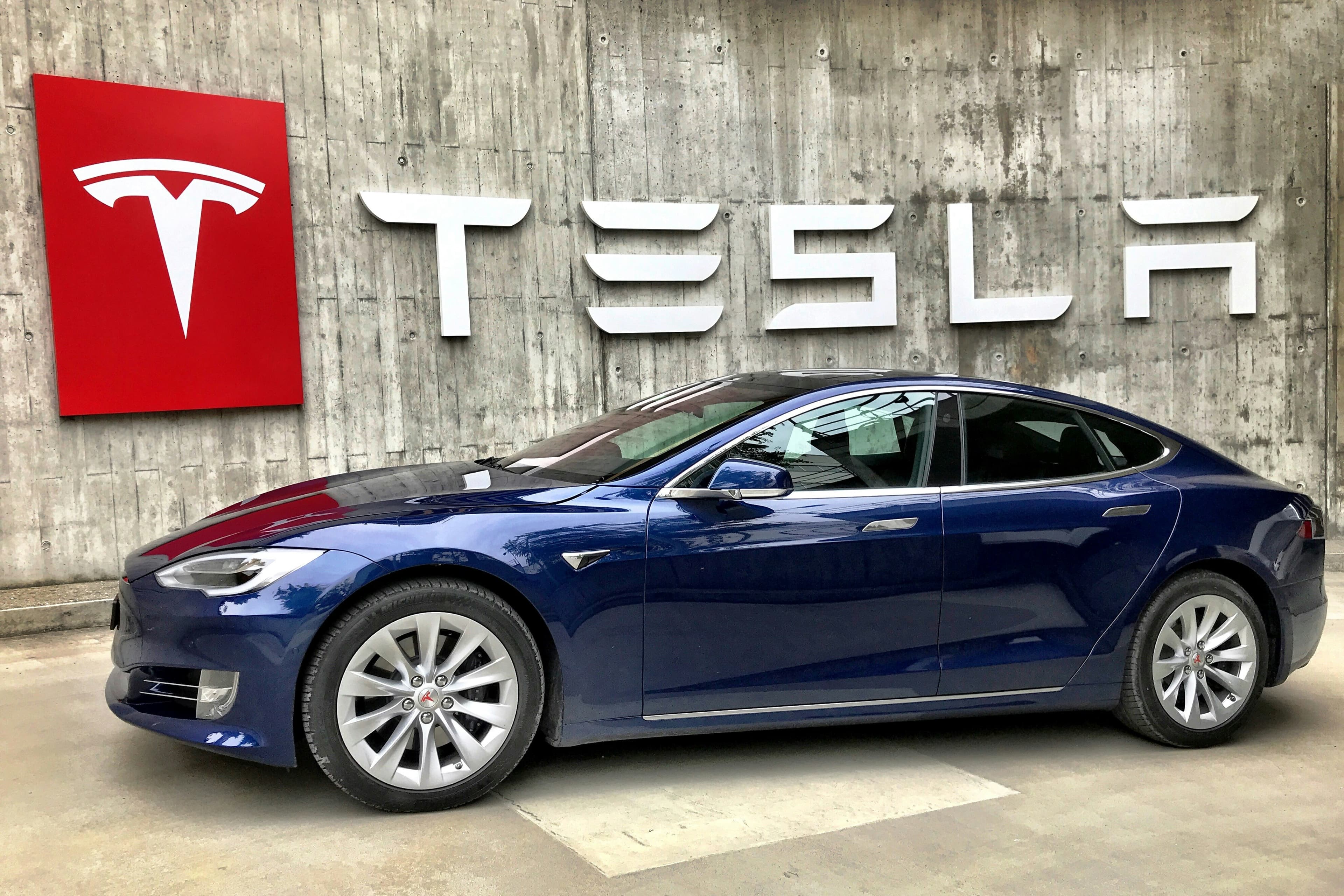
Wall Street analyst upgrades do not always move stocks, but Cantor Fitzgerald's call on Tesla on March 16 landed at a moment when investors were already paying close attention. The firm moved Tesla shares to Overweight, citing the expected 2026 launch of the Cybercab autonomous vehicle and the ongoing Robotaxi rollout across Texas and California. Tesla shares climbed in early Monday trading following the announcement.
The upgrade is notable because Cantor Fitzgerald has historically been more measured on Tesla than some of the company's louder bulls. An Overweight rating from a firm with that track record carries more weight than the same call from an analyst who has been bullish through every cycle.
What Cantor Fitzgerald is actually betting on
The core of the Cantor Fitzgerald thesis is that Tesla's revenue mix is about to change in a meaningful way. Right now, Tesla makes most of its money selling cars. The Cybercab changes that equation if it launches on schedule in 2026. An autonomous vehicle that operates as a paid ride service generates revenue per mile rather than per unit sold, which is a structurally different business than manufacturing.
The Robotaxi program already running in parts of Texas and California is the early version of that model. Tesla has been expanding the geographic footprint of the service incrementally, gathering real-world data and working through regulatory approvals state by state. Cantor Fitzgerald's analysts appear to believe the pace of that expansion justifies a higher valuation than the market had been assigning to Tesla shares.
Optimus as a long-term revenue argument
The upgrade also cited Tesla's Optimus humanoid robot program as a potential revenue driver. Elon Musk has publicly stated that Optimus could eventually be worth more to Tesla than its entire automotive business. That is an extraordinary claim, and most analysts treat it as speculative at this stage. Cantor Fitzgerald appears to be giving the program some probability-weighted credit rather than dismissing it outright.
Optimus is currently in limited production and being tested inside Tesla's own factories for tasks like moving parts and doing visual inspections. Tesla has said it plans to offer Optimus units to external customers, with pricing that Musk has suggested could fall around $20,000 to $30,000 per unit at scale. Whether the program reaches that scale is a question the market will be watching closely through 2025 and 2026.
The stock reaction and what it tells us
Tesla shares had been under pressure in early 2025, partly due to slowing vehicle delivery growth and partly due to wider concerns about Musk's attention being split across his other companies and his political activities. The stock's recovery in early 2026 has tracked closely with positive news around the autonomous vehicle programs, which suggests the market has largely shifted its attention away from quarterly delivery numbers toward the longer-term autonomous and robotics story.
That shift in investor focus creates both an opportunity and a risk. If Tesla hits its Cybercab launch timeline and Robotaxi expansion targets, the current valuation may look conservative in retrospect. If those timelines slip, as they have before with several Tesla product launches, the stock will feel the downside quickly. Cantor Fitzgerald is essentially saying the risk-reward balance has tilted enough to justify holding the stock now.
Regulatory approval is the variable nobody controls
The one factor that no analyst model can fully account for is regulatory timing. Autonomous vehicle approvals in the United States are handled at the state level, and the process varies considerably. California and Texas have both been relatively permissive compared to states like New York, but federal guidelines on fully driverless commercial operations are still being worked out. Tesla's Robotaxi program currently operates under permits that have specific geographic and operational constraints.
The Cybercab launch in 2026 will require approvals that go beyond what current Robotaxi permits cover, since Cybercab is designed without a steering wheel or pedals. That design makes it legally distinct from vehicles that can fall back on a human driver. Tesla has been in discussions with regulators on this point, and how those conversations resolve will have a direct impact on where and when Cybercab can actually operate commercially.
Cantor Fitzgerald's next scheduled Tesla review is expected alongside the company's Q1 2026 earnings call, which Tesla typically holds in late April. That call will include updated delivery numbers and, likely, more detail on the Cybercab production timeline.
AI Summary
Generate a summary with AI