Brainstem discovery links breathing control to high blood pressure
A group of scientists has identified a specific region in the brainstem that appears to trigger high blood pressure, opening a new angle in the study of hypertension. The area was previously known for controlling forceful breathing actions such as coughing and heavy exhalation. Now it is being tied to the regulation of blood pressure in ways that were not fully understood before.
Hypertension affects hundreds of millions of people worldwide and is a leading factor behind heart disease and stroke. Most treatments focus on blood vessels, hormones, or kidney function. This discovery shifts attention toward neural control, specifically how signals in the brainstem may influence blood pressure levels throughout the body.
What researchers found in the brainstem
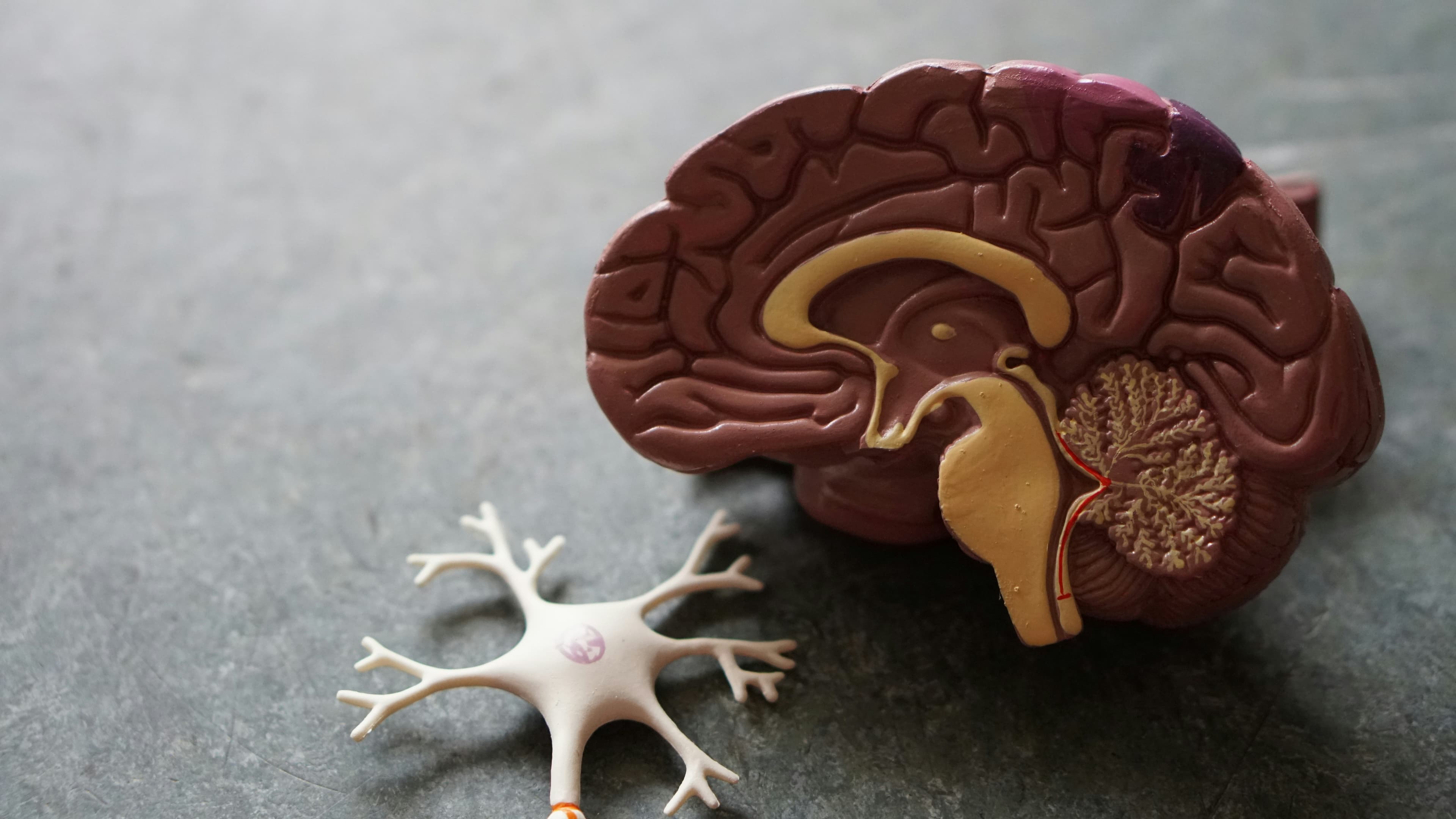
The region identified sits within the brainstem, an area responsible for automatic functions such as breathing, heart rate, and reflexes. Scientists observed that when this part of the brain becomes overactive, it can drive an increase in blood pressure. The same neural circuits that help control breathing intensity may also send signals that affect how blood vessels tighten or relax.
This connection helps explain why certain breathing patterns or respiratory stress can influence cardiovascular responses. It also suggests that the nervous system plays a more direct role in sustained high blood pressure than previously assumed.
Why this matters for hypertension treatment
Current medications for hypertension often target symptoms rather than the original trigger. By identifying a neural source, researchers may be able to develop treatments that act directly on the brain pathways involved. This could lead to more precise approaches, especially for patients whose blood pressure remains high despite standard medication.
The findings may also influence non-drug approaches. Techniques that affect breathing patterns, such as controlled breathing exercises, could gain more attention if further studies confirm a strong link between respiration and blood pressure regulation.
What comes next in research
Researchers are now looking to understand how this brainstem region interacts with other systems in the body. That includes how signals travel between the brain and blood vessels, and whether the same mechanism appears in different forms of hypertension.
Clinical studies will be needed to confirm whether targeting this region can safely reduce blood pressure in patients. If confirmed, the approach could expand treatment options beyond traditional drugs and lifestyle advice. The work is still in early stages, but it adds a new direction to a field that has relied on similar strategies for years.
The discovery places the brain at the center of a condition long treated as primarily cardiovascular. Future studies will determine how this insight translates into real-world therapies and whether it changes how doctors diagnose and manage hypertension.
AI Summary
Generate a summary with AI