Apple Releases iOS 26.4 Developer Beta 4 With New Emojis and Accessibility Tweaks
Apple does not slow down between beta cycles, and iOS 26.4 is proving that point. The company has dropped developer beta 4 in quick succession after the previous release, and while this is not a headline-grabbing update on the surface, it carries changes that a meaningful slice of iPhone users will actually notice — new emojis, a fresh accessibility option for reducing bright visual effects, and expanded device compatibility.
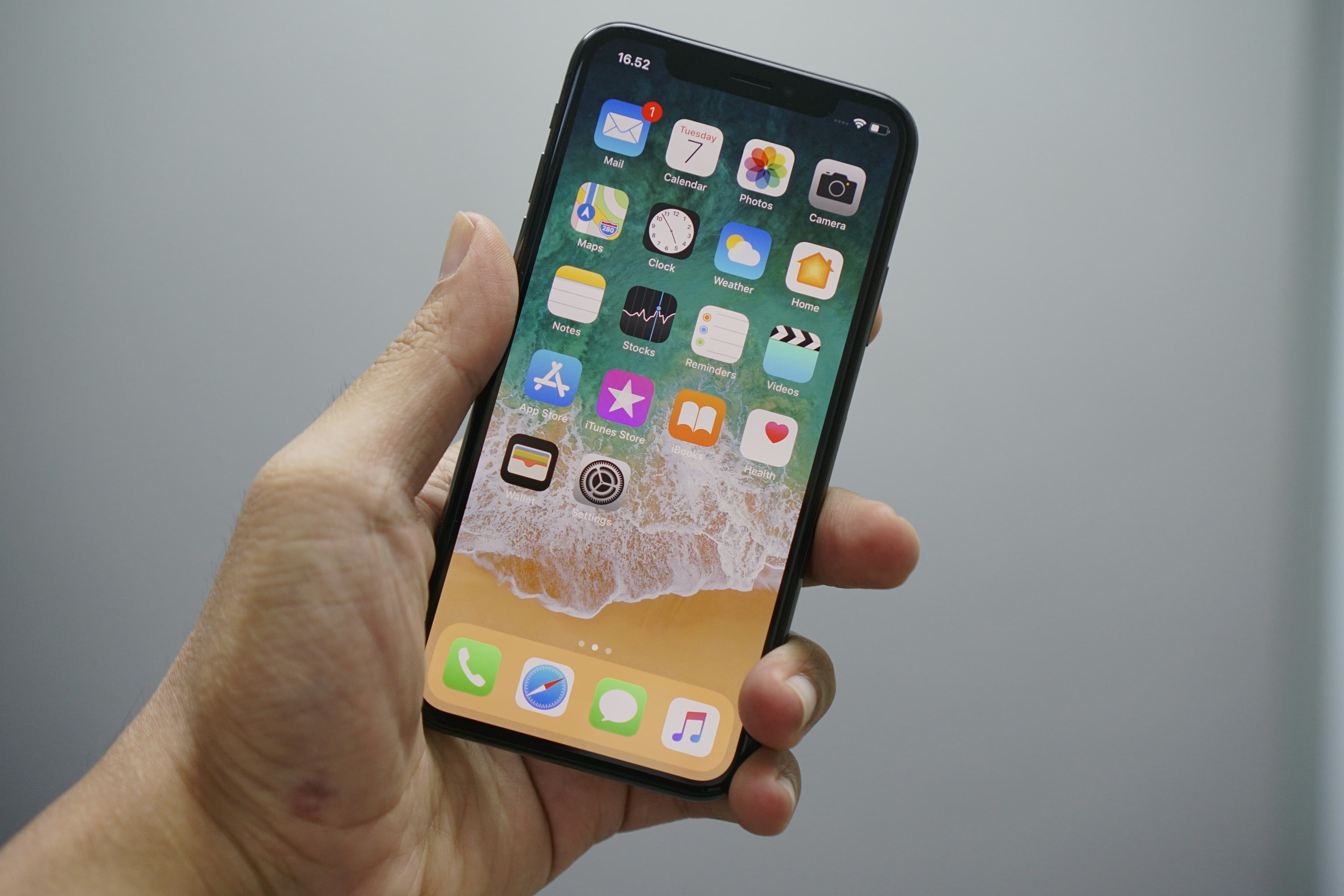
New Emojis: Small Addition, Genuine Excitement
Every time Apple ships new emojis, the internet pays attention disproportionately to almost anything else in the release notes. That dynamic holds here. Beta 4 includes a fresh batch of emoji additions, continuing Apple's practice of rolling out the latest Unicode-approved characters ahead of a stable release. The specific additions follow the Unicode Consortium's approved list, covering new expressions, objects, and symbols that fill gaps users have been requesting through various channels for a while.
For most people, emoji updates feel trivial until the moment they want to send something and realize the character does not exist yet. Then it becomes surprisingly annoying. Apple tends to ship these ahead of stable iOS releases so that by the time the general public gets the update, the new emoji are already baked in and ready across the ecosystem. Developers and public beta testers getting early access just means the characters start appearing in conversations slightly ahead of schedule.
Reduce Bright Effects: A Quiet but Useful Accessibility Addition
The more substantive change in this beta is the new reduce-bright-effects accessibility option. Apple has long included settings under the Accessibility section of iOS for users who are sensitive to motion, contrast, or visual intensity — features that serve people with photosensitive conditions, migraines, or visual processing differences. The reduce-bright-effects toggle fits into that same family of controls.
What it does specifically is dial down high-intensity visual moments — bright flashes, stark contrast transitions, and similar elements that can cause discomfort or trigger symptoms for susceptible users. It is not a replacement for existing settings like Reduce Motion or Increase Contrast, but a complementary control that addresses a slightly different category of visual experience. For users who have found the existing options helpful but incomplete, this fills a real gap.
Apple's accessibility work often goes underreported relative to its significance. The company has built one of the more comprehensive sets of accessibility tools in consumer technology, and each incremental addition represents real quality-of-life improvements for users who depend on them. Adding reduce-bright-effects is not flashy, but it is exactly the kind of thoughtful addition that makes iOS meaningfully better for people who need it.
Expanded Device Support in This Build
Beta 4 also brings expanded device support, which matters for developers who need to test across a wider range of hardware configurations. Apple has been managing iOS compatibility carefully with recent releases, and each beta build that adds device coverage gives the developer community a broader testing surface before the stable release lands. For app developers, testing on actual supported hardware rather than just simulators often surfaces issues that would otherwise only appear after public release.
The specifics of which additional devices are covered in this build follow Apple's typical pattern of gradually expanding compatibility during the beta cycle rather than announcing full device support all at once. It is a practical approach — it lets the engineering team validate performance and stability on each hardware configuration before signing off on broad support.
The Pace of iOS 26.4 Betas
Something worth paying attention to is the cadence. Apple pushed beta 4 out shortly after beta 3, which suggests either active bug-fixing work on issues surfaced by testers or a timeline pressure to get things stabilized before a planned release window. Rapid successive betas typically indicate one of two things: the team found something that needed a quick fix, or the release is close enough that they are burning through final validation cycles. Either way, it points toward iOS 26.4 not being far from a public release.
For developers enrolled in the Apple Developer Program, installing beta 4 and running through the new accessibility settings and emoji rendering is straightforward. For everyone else waiting on the stable build, the beta cycle activity is a decent signal that the wait should not be too long. Apple has generally kept point releases on a fairly predictable schedule once the beta cycle gets this deep.
What This Release Says About Apple's Update Philosophy
iOS 26.4 is not trying to be iOS 26. It is a point release doing what point releases are supposed to do — refining, fixing, and adding features that did not make the initial cut or that respond to user feedback gathered after launch. Apple has gotten reasonably good at using these smaller updates to address accessibility gaps and ship quality-of-life improvements without the noise of a major version cycle.
The combination of emoji additions and accessibility improvements in the same beta is actually a fair representation of how Apple balances consumer-visible features with more foundational work. New emojis generate social media coverage. Reduce bright effects quietly improves daily life for people who genuinely need it. Both matter, just to very different people for very different reasons. That balance, repeated across dozens of small additions per release, is how iOS stays relevant to such a wide range of users.
When to Expect the Stable Release
Apple has not announced a specific date for the iOS 26.4 stable release, which is standard practice. Point releases typically exit beta within a few weeks of the final developer build, barring any significant issues discovered late in testing. Given that beta 4 has arrived, the cycle is likely in its final stretch. Users on iOS 26 who have been waiting for these features — particularly the accessibility updates — should be in a reasonable position to expect the stable build before too long.
AI Summary
Generate a summary with AI

