Apple Kicks Off Week-Long Product Launch Event Starting March 2
Apple doesn't do things the way it used to. No Steve Jobs silhouette walking across a darkened stage, no packed auditorium at Cupertino — just a quiet drip of Newsroom posts that, taken together, amount to one of the company's busiest product weeks in recent memory. Starting March 2 and running through March 4, Tim Cook confirmed a multi-day announcement window with as many as five new products expected to land.
The no-livestream approach isn't entirely new for Apple — the company has used press release-style rollouts for less splashy updates before — but doing it across three consecutive days for what appears to be a genuinely significant hardware refresh is a different kind of move. It keeps the conversation going longer, lets each product breathe a little, and frankly generates more sustained media coverage than a single keynote that gets summarized and forgotten within 48 hours.
What's Expected: Budget MacBook, iPad Air, and MacBook Air
The most-discussed product going into the event is a budget MacBook — a category Apple has flirted with for years but never fully committed to. If the rumors hold, this would be the most affordable entry point into the Mac ecosystem that Apple has offered in a long time, potentially bringing in students and first-time Mac buyers who've been priced out. The question is always how Apple defines 'budget,' but even a modest price reduction from the current MacBook Air baseline would be meaningful.
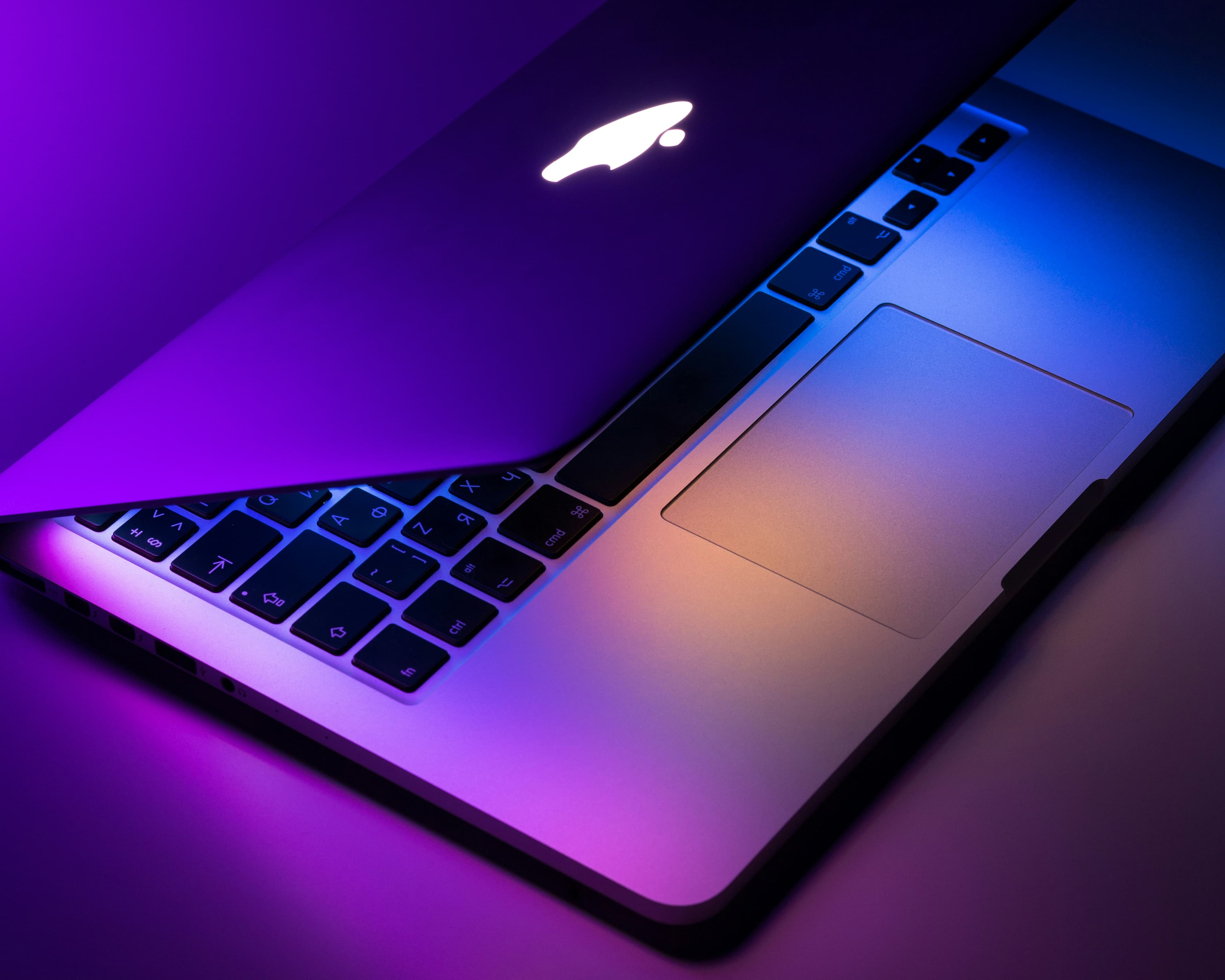
The iPad Air refresh is also on the list, and it's probably the update that everyday users will feel most directly. The current iPad Air is a solid machine, but it's been sitting with the same core design and chip configuration long enough that an upgrade is overdue. Expect a newer chip — likely moving to the M3 or M4 depending on Apple's supply chain timing — along with possible display and connectivity improvements.
The MacBook Air update is perhaps the most anticipated for the widest audience. It's consistently Apple's best-selling Mac, and any generational bump — faster chip, better battery, upgraded webcam — tends to move units. A move to the M4 would align with the chip roadmap Apple has been following and bring significant performance-per-watt gains over the M2 models still in circulation.
Why Apple Skipped the Livestream This Time
Skipping a live event for a multi-product launch of this scale is an interesting call. Apple's big livestreamed keynotes have become cultural moments — people tune in, Twitter erupts, and the tech press publishes 40 articles within the hour. A rolling Newsroom release strategy doesn't generate that same spike, but it does something different: it keeps Apple in the headlines for three straight days instead of one.
There's also a practical angle. When Apple announces five products in a single keynote, the third and fourth announcements often get buried under coverage of the first two. Spreading them out means each product gets its own news cycle, its own set of hands-on impressions, and its own moment in the social media conversation. For a company that obsesses over how its products are perceived, that's not an accident.
Tim Cook's Role in Reshaping How Apple Announces Things
Cook has steadily moved Apple away from the theatrical presentation style that defined the Jobs era, not because the drama doesn't work, but because the product lineup has gotten too broad for a single event to do it justice. The iPhone still gets its own stage moment every September. But Macs, iPads, and accessories have increasingly been handled through press releases, online events, or this kind of rolling announcement format.
Whether you prefer the old-school keynote or not, the March 2 through March 4 window represents a real hardware refresh across multiple product lines. By the time the last Newsroom post drops on March 4, Apple's Mac and iPad lineups will look meaningfully different than they did at the start of the week — and that's what actually matters to the people buying these things.
AI Summary
Generate a summary with AI

