Anthropic's Claude Co-work: The AI Agent That Doesn't Just Advise, It Acts
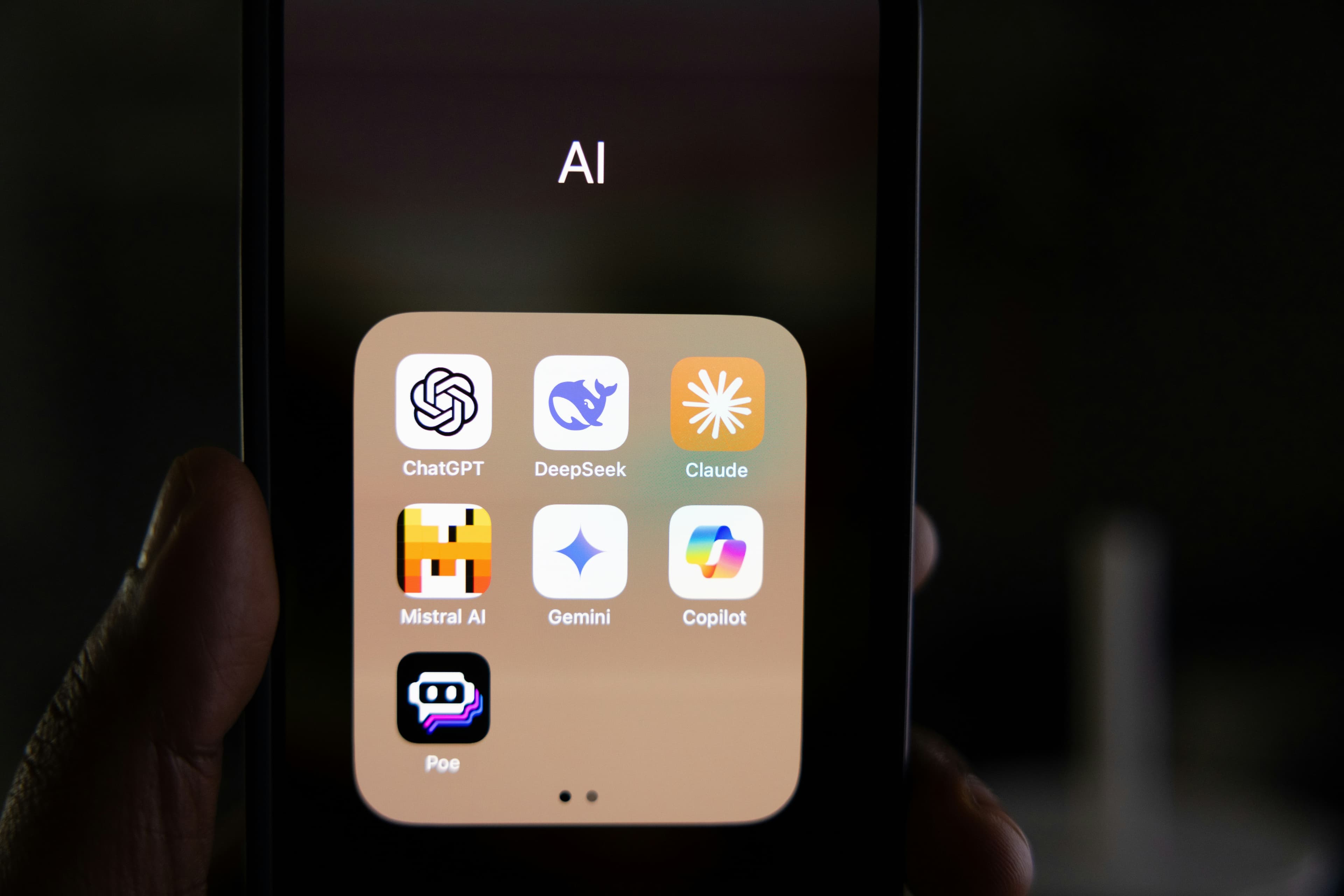
In a rapidly evolving technological landscape, the distinction between AI assistants and AI agents is becoming critically clear. While tools like ChatGPT offer insightful advice, a new player, Anthropic's Claude Co-work, is redefining productivity by moving beyond suggestions to directly execute tasks on your computer. This shift represents a significant moment for knowledge workers, changing how daily operations are managed and time is reclaimed.
From Terminal to Desktop: The Evolution of Claude
Anthropic initially introduced Claude Code, a powerful engine primarily utilized by developers through a terminal interface to build applications, run automations, and deploy systems. Recognizing the immense potential beyond the developer community, Anthropic took that same core intelligence and capabilities, wrapping them into a user-friendly chat window. This iteration, named Co-work, brings the power of an AI agent to a broader audience, accessible directly through the Claude desktop app.
Co-work vs. ChatGPT: The Agentic Advantage
The fundamental difference between ChatGPT and Co-work lies in their operational paradigm: ChatGPT serves as an assistant, offering advice and insights, whereas Co-work functions as an agent, capable of taking direct action. This distinction is showcased through several live demonstrations. For instance, when tasked with organizing a messy downloads folder, ChatGPT provides a list of steps to follow, while Co-work directly accesses the file system, categorizes files, creates folders, and moves items in real-time, effectively completing a task that would otherwise take considerable manual effort.
Real-World Applications: Demos in Action
The capabilities of Co-work extend far beyond simple file management. One demonstration highlighted its ability to conduct a comprehensive landing page audit. After installing a Chrome extension to link the browser with the Claude desktop app, Co-work could navigate and interact with any specified website. When prompted to audit a landing page, it autonomously opened Chrome, navigated to the site, read the entire page content, and then generated a formal Microsoft Word report. This report included an executive summary, a conversion score, critical issues ranked by impact (such as a buried call-to-action on mobile or generic social proof), and a quick-win checklist.
Another compelling use case involved data analysis. By uploading a raw CSV file of data science salaries and providing a simple four-word prompt, Co-work utilized its 'skills' feature to analyze the data and build a fully interactive dashboard. The AI agent generated its own research questions, calculated relevant metrics, and wrote the visualization code, resulting in a filterable dashboard with KPI cards and appropriate chart types.
Perhaps the most impactful demonstration involved a video repurposing plugin. This custom plugin allowed for a 17-minute video to be analyzed, best clips pulled, and thumbnails generated with a single seven-character command. The plugin intelligently prompted for preferences (e.g., number of clips, length, thumbnail style) and then executed professional video editing software (FFmpeg) automatically, re-encoding clips to exact specifications and generating thumbnails, even connecting to an external AI image generator via an MCP server.
The Power of Skills and Plugins: Delegating to AI
Central to Co-work's advanced functionality are 'skills' and 'plugins.' A skill is a saved workflow, encapsulating an entire process, including steps, reference files, and output formats. Once defined, a skill can be invoked by its name for consistent, repeatable tasks. Plugins, on the other hand, are comprehensive workshops. They bundle multiple skills, incorporate custom commands, house a full reference library, and can even present structured forms to collect user preferences before execution. This architecture allows Co-work to connect to external tools—such as image generators, spreadsheet applications, or CRM software—and control them all from a single chat interface.
Implications and the Future of Work
The emergence of AI agents like Co-work signals a fundamental shift in how professionals interact with technology. The emphasis moves from knowing numerous tools to effectively delegating tasks to AI, much like a manager delegates to a human team. This capability, previously largely confined to developers, is now accessible to a broader audience, enabling significant time savings and efficiency gains across various industries. For IT professionals, data analysts, or content creators, tasks that once consumed hours can now be accomplished with simple commands, freeing up time for more strategic work.
Navigating the New Automation Landscape
While Co-work presents a powerful leap in AI capabilities, it's important to recognize its current stage as an early research preview. As with any nascent technology, users may encounter variations in availability and functionality. The true power lies in understanding how to structure and apply these agentic capabilities to specific workflows, requiring a mindset shift from direct execution to intelligent delegation. The learning curve involves defining skills and plugins effectively to maximize automation.
The arrival of Claude Co-work marks a significant milestone in AI's journey from intelligent assistant to proactive agent. It offers a tangible glimpse into a future where AI handles the execution of complex tasks, allowing individuals and teams to focus on higher-level strategy and creativity. For those ready to embrace this new paradigm, the potential for increased productivity and operational efficiency is substantial, reshaping the very nature of daily work.
AI Summary
Key insights from this article


