Anthropic Expands Washington D.C. Presence as AI Policy Battle Intensifies
Anthropic is done waiting on the sidelines. The company behind the Claude AI system is actively expanding its lobbying and policy operations in Washington, a move that reflects just how much the regulatory environment around AI has shifted in the past twelve months. What was once a conversation about future risks has become an immediate fight over rules, contracts, and who gets to shape the legal framework for an industry worth trillions.
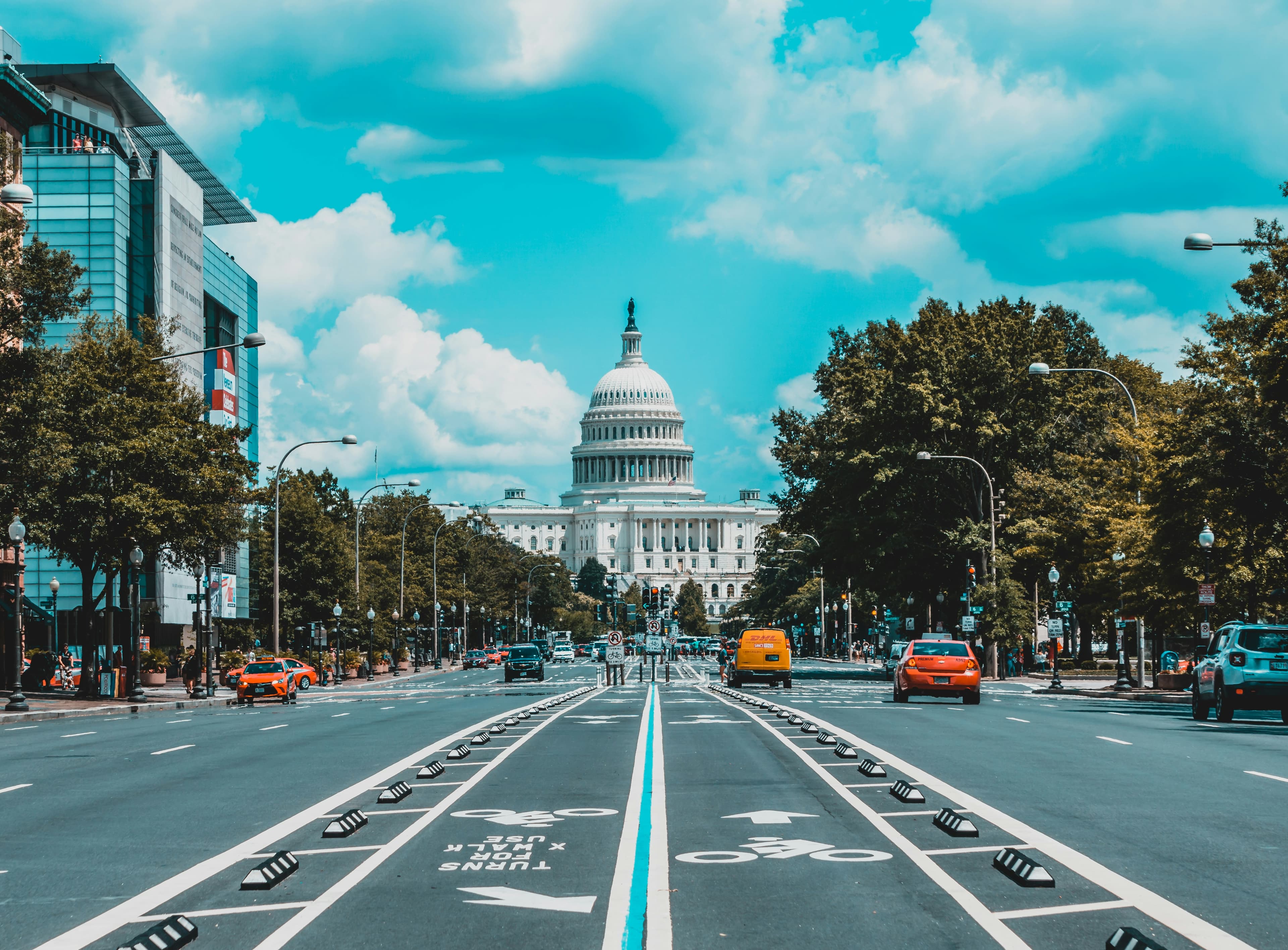
Why Now
The timing is not accidental. Congress has been circling AI legislation for over a year, and several competing frameworks are now in active discussion — covering everything from liability and transparency requirements to export controls and national security applications. At the same time, federal agencies have started issuing their own guidance, creating a patchwork of rules that companies operating at scale need to track and influence simultaneously. Anthropic's expansion into D.C. is a direct response to that complexity.
There's also the military dimension. The debate over whether and how AI companies should work with defense agencies has become one of the defining fault lines inside the industry. Anthropic has positioned itself as a safety-first organization, but that reputation requires active maintenance in Washington, where definitions of 'safe' and 'responsible' AI are being written in real time by people who may or may not have deep technical context.
Government Relations as a Core Business Function
For most of the AI boom, policy work at major labs was treated as a supporting function — important, but secondary to research and product development. That framing is changing fast. OpenAI, Google DeepMind, and Meta all have significant D.C. footprints, and the competition to shape regulation has become nearly as intense as the competition to ship better models. Anthropic joining that race in a more formal way is less a surprise than a correction.
The company has long emphasized its commitment to AI safety as a founding principle, and that narrative plays well in policy circles. But goodwill and a strong reputation only go so far when specific legislative language is being drafted. You need people in rooms, building relationships, explaining technical realities to staffers who are writing rules that will govern systems they've never directly worked with. That requires investment, not just press releases.
Labor and the Broader Policy Landscape
AI's impact on employment has moved from a think-piece topic to a congressional concern. Several labor unions and advocacy organizations have been pushing for AI disclosure requirements, impact assessments, and worker protections tied to AI deployment in industries like healthcare, legal services, and media. Anthropic's enterprise ambitions put it directly in the crosshairs of those debates — and having policy staff who can engage substantively on those issues is increasingly a requirement, not a luxury.
The company's expansion also comes as the U.S. government is trying to decide how much of the AI supply chain — from chips to model weights to inference infrastructure — should be treated as a national security asset. Those conversations involve Commerce, Defense, and the intelligence community simultaneously. Navigating that landscape requires dedicated expertise that doesn't fit neatly into a traditional communications or legal department.
What Anthropic's Approach Signals for the Industry
Anthropic has consistently tried to occupy a distinct space in the AI industry — not dismissive of safety concerns the way some competitors have appeared, but also not so cautious that it cedes ground on product and enterprise deployment. That balance is genuinely difficult to maintain, and the policy arena is where it gets tested most visibly. How the company engages with regulation will reflect — and reinforce — what it actually believes about how AI should be developed and deployed.
For the broader industry, Anthropic's expanded D.C. presence is another signal that the era of building first and regulating later is closing. The companies that understand policy as a strategic function — not a reactive one — are going to have an outsized role in determining what the regulatory environment looks like five years from now. That's a long game, and it looks like Anthropic has decided to play it seriously.
AI Summary
Generate a summary with AI


