Amazon acquires Fauna Robotics to expand its AI robotics footprint
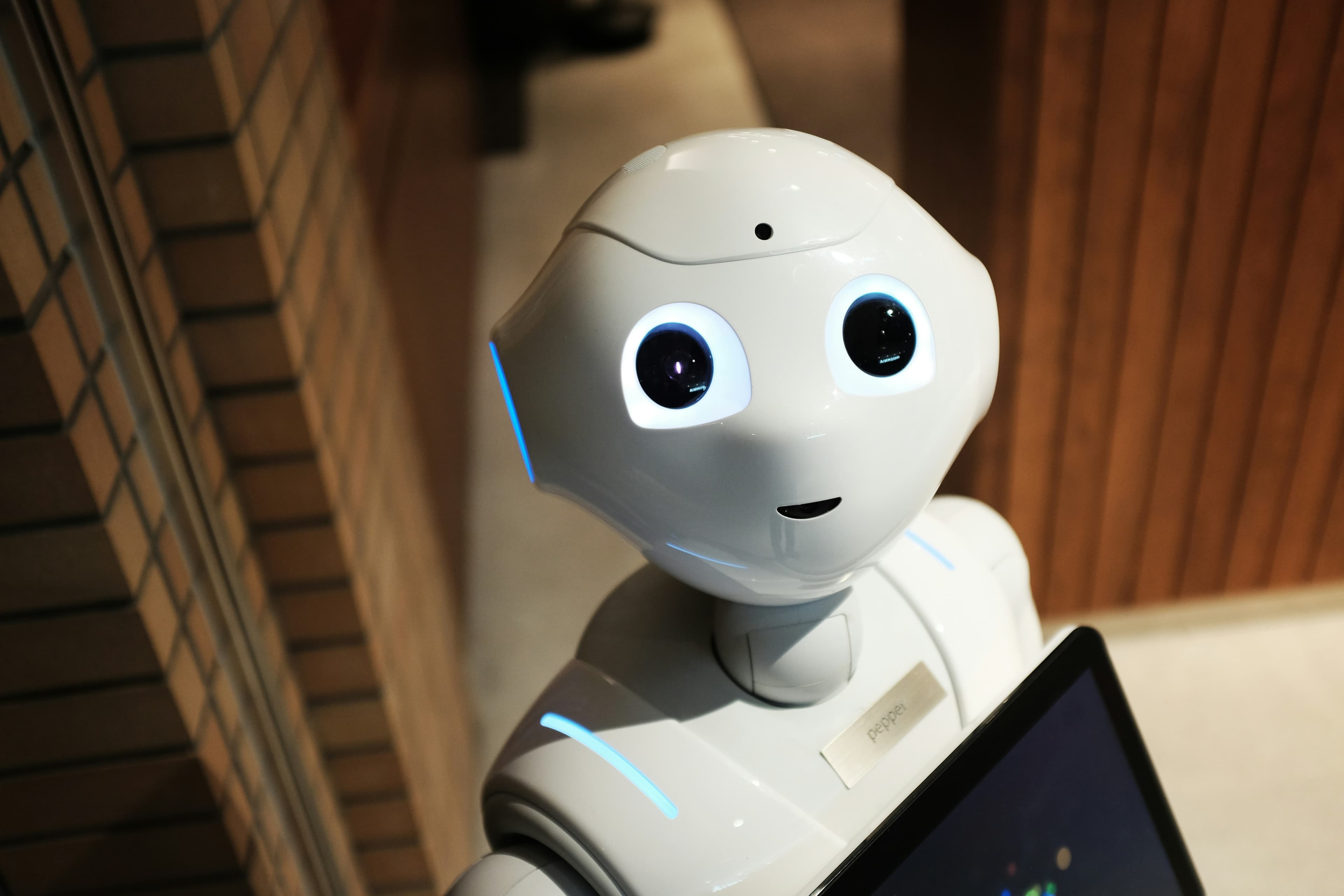
Amazon has acquired Fauna Robotics, a startup known for building humanoid robots designed to operate in spaces built for people rather than machines. The deal fits squarely into Amazon's years-long push to automate more of its logistics operations, but it also signals something broader: the company is no longer content with fixed-arm robots that sort packages on a single track. It wants machines that can move through a warehouse the way a human worker does.
Fauna Robotics had been building robots with proportions and movement patterns closer to human anatomy, which makes them better suited for environments that were never designed with automation in mind. Most warehouse robotics installed today requires significant facility redesign. Humanoid robots sidestep that problem, at least in theory, because they can handle stairs, irregular shelving heights, and tasks that require two-handed coordination.
What Fauna Robotics actually built
Fauna's robots were designed with a focus on making human-robot interaction feel less industrial. Where many humanoid robot companies have prioritized raw capability, Fauna put significant engineering effort into approachability: smoother motion, less mechanical noise, and physical proportions that do not make nearby workers uncomfortable. That design philosophy was partly practical. Robots that unnerve human coworkers create real operational friction, and Fauna's founders had built the company with that problem in mind from the start.
The company had raised approximately $120 million across two funding rounds before the Amazon deal closed, with backing from several logistics-focused venture funds. Its robots were being tested in controlled warehouse environments, though Fauna had not yet reached full commercial deployment at scale. Amazon's acquisition gives the startup the infrastructure and capital to move past the pilot stage significantly faster than it could have independently.
Amazon's existing robotics investments
Amazon already operates one of the largest industrial robotics deployments in the world. The company has more than 750,000 robots across its fulfillment network, the majority of which are mobile drive units that carry shelving pods to stationary human pickers. It acquired Kiva Systems in 2012 for $775 million, which became the foundation of that entire fleet. Since then, Amazon has developed Sparrow, a robot arm capable of picking individual items from bins, and Digit, a humanoid robot it has been testing in partnership with Agility Robotics.
The Digit collaboration with Agility Robotics began in 2023 and gave Amazon early access to bipedal robot technology for warehouse tasks like moving empty tote boxes. The Fauna acquisition suggests Amazon wants more than a single humanoid partner. Building out a portfolio of humanoid robot capabilities, rather than depending on one external vendor, gives the company more control over the technology as it matures.
Why humanoid robots make sense for logistics now
The economics of humanoid robotics have shifted considerably in the past three years. Actuator costs have dropped, AI-driven motion planning has improved enough to handle real-world variability, and the gap between what a robot can do in a lab versus an actual warehouse has narrowed. Goldman Sachs estimated in 2023 that the humanoid robot market could reach $6 billion by 2030, driven largely by labor-intensive industries like logistics, manufacturing, and healthcare.
Amazon's fulfillment centers still rely on hundreds of thousands of human workers for tasks that require dexterity, judgment, and physical flexibility. Those are exactly the tasks humanoid robots are being trained to handle. Replacing even a fraction of that labor with robots that can work around the clock without breaks would have significant cost implications, though Amazon has consistently framed its robotics investments as tools for worker safety and efficiency rather than workforce reduction.
Competition in the humanoid robot space
Amazon is not the only large company betting on humanoid robots. Tesla has been developing Optimus, its humanoid robot, for internal factory use with plans for broader commercial deployment. Figure AI raised $675 million in early 2024 with backing from Microsoft, OpenAI, and Nvidia. Physical Intelligence, a startup focused on general-purpose robot software, raised $400 million in late 2024. The pace of investment in this space has accelerated sharply, and the Fauna acquisition puts Amazon more directly in competition with companies that have been building toward humanoid deployment for longer.
Amazon has not disclosed the financial terms of the Fauna deal. The company plans to integrate Fauna's engineering team and technology into its broader robotics division, which operates under Amazon Robotics. Fauna's founders are expected to remain with the company through the integration period, a structure Amazon has used in previous robotics acquisitions to retain technical leadership during the critical early phase of absorbing a new team.
The next visible test of this acquisition will likely come during Amazon's peak shipping season later in 2026, when the company typically runs its most intensive operational stress tests on new warehouse technology.
AI Summary
Generate a summary with AI


