AI tool analyzes MRI brain scans to detect early Alzheimer's and cognitive decline
A new study shows that an AI tool trained on structural MRI brain scans can identify patterns associated with early-stage cognitive decline and Alzheimer's disease with accuracy that compares favourably to specialist clinical assessment. The research adds to a growing body of work trying to solve one of the most persistent problems in dementia care: by the time most patients receive a diagnosis, significant and irreversible neurological damage has already occurred.
Alzheimer's disease currently affects an estimated 55 million people worldwide, according to the World Health Organization, and that number is projected to reach 139 million by 2050 as global populations age. There is no cure. The approved treatments that do exist, including lecanemab, which received full FDA approval in 2023, work best when started before extensive amyloid plaques and tau tangles have accumulated. That means the window during which treatment can meaningfully slow progression is largely the window before most patients are diagnosed.
What the AI tool actually measures in MRI scans
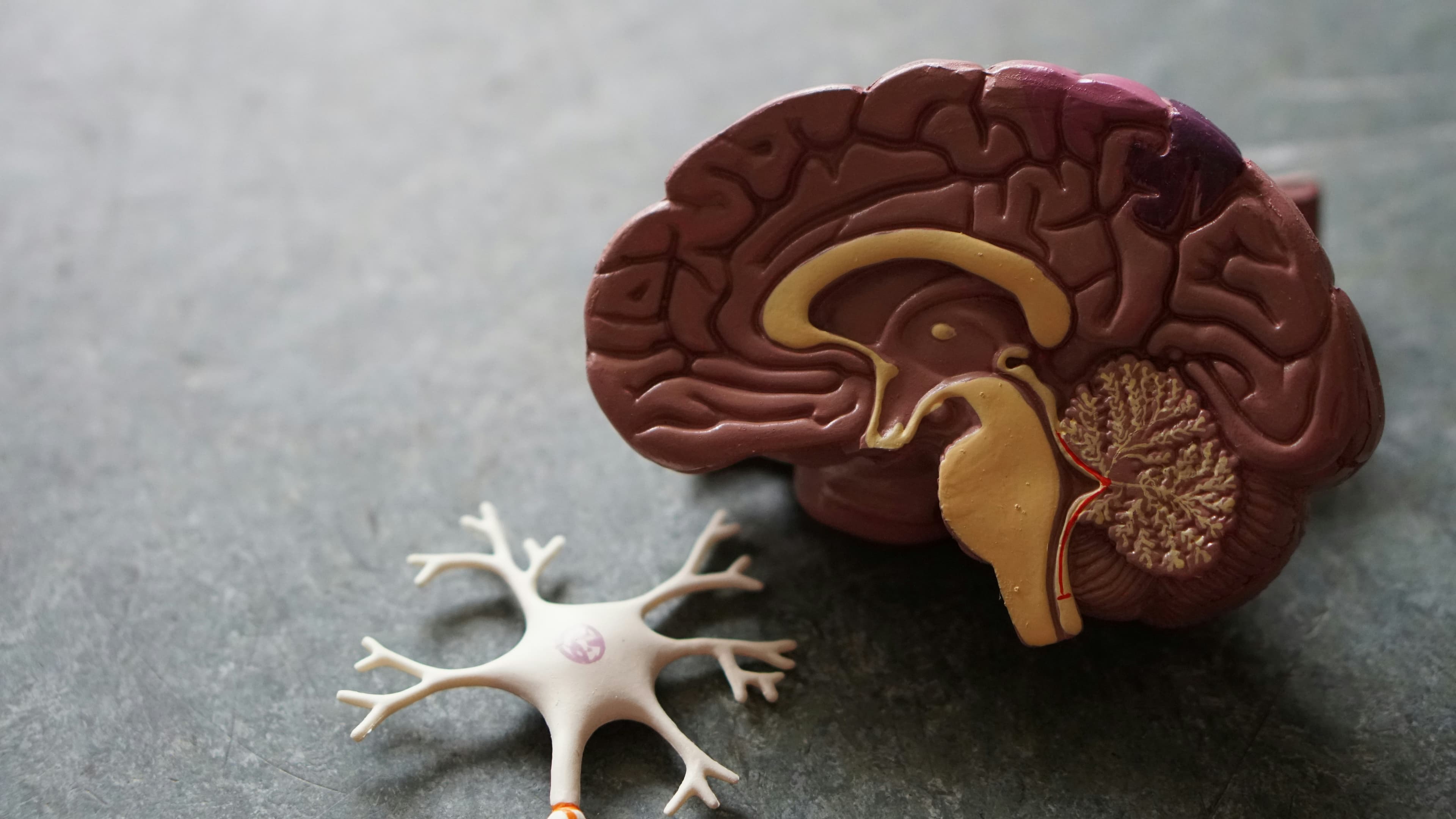
Standard structural MRI scans show brain anatomy in detail. The AI tool was trained to detect subtle volumetric changes in specific brain regions, particularly the hippocampus and entorhinal cortex, which are among the first areas to show atrophy in Alzheimer's disease. Hippocampal volume loss begins years before clinical symptoms appear, but the changes are gradual and easy to miss in a single scan review without a longitudinal comparison.
The tool was trained on a dataset of 8,700 MRI scans drawn from the Alzheimer's Disease Neuroimaging Initiative, a multi-site longitudinal study that has been collecting brain imaging and clinical data since 2004. It learned to distinguish between scans that preceded a diagnosis of mild cognitive impairment, scans that preceded an Alzheimer's diagnosis, and scans from cognitively healthy individuals at similar ages. The model then uses those learned patterns to assign a risk score to new scans.
How accurate the tool was in the study
In its validation dataset of 1,200 scans not used during training, the tool achieved 87.4 percent accuracy in classifying scans as cognitively healthy, mild cognitive impairment, or probable Alzheimer's. Sensitivity for detecting mild cognitive impairment, the pre-dementia stage where early intervention is most likely to help, was 82 percent. Specificity, meaning the rate at which the tool correctly identified scans as healthy when no pathology was present, was 91 percent.
For comparison, a 2019 study published in the Journal of Alzheimer's Disease found that general practitioners correctly identified mild cognitive impairment in approximately 50 percent of cases during routine consultations. Specialist neurologists perform considerably better, but specialist access is limited, particularly in rural areas and low-income countries where dementia rates are rising fastest. A screening tool that can flag high-risk patients from a standard MRI before specialist review could change the triage process substantially.
Why earlier detection changes treatment options
The approval of lecanemab in 2023 and donanemab in 2024 created a situation that did not previously exist in Alzheimer's treatment: therapies with demonstrated ability to slow cognitive decline, but only in patients who are still in early stages of the disease. Both drugs work by clearing amyloid plaques from the brain, and both require confirmation of amyloid pathology through either PET imaging or cerebrospinal fluid testing before they can be prescribed.
The AI MRI tool does not replace those confirmatory tests, but it could serve as a first-pass screen that identifies patients likely to benefit from further amyloid testing. PET scans cost approximately $5,000 to $8,000 and are not covered by Medicare for Alzheimer's screening purposes. Running an AI analysis on a standard MRI that a patient may already be receiving for other reasons costs a fraction of that and does not require an additional imaging appointment.
The diversity problem in the training data
The study's authors acknowledge that the ADNI dataset used for training skews heavily toward white, educated, and North American participants. This is a well-documented limitation of most Alzheimer's research datasets. Brain structure varies across populations, and cognitive reserve, the ability to compensate for neurological damage before clinical symptoms appear, correlates with education level in ways that affect when and how atrophy patterns appear on MRI.
In a sub-analysis of 87 participants from under-represented ethnic groups in the validation set, the tool's accuracy dropped to 79 percent, compared to 87.4 percent in the full validation cohort. The researchers are now seeking partnerships with clinical sites in sub-Saharan Africa, South Asia, and Latin America to collect the additional training data needed to address that gap. A revised model incorporating those datasets is targeted for completion by the end of 2026, with a multi-site clinical trial submission to the FDA planned for early 2027.
AI Summary
Key insights from this article