NBA commissioner Adam Silver visits Portland after arena renovation bill passes
NBA Commissioner Adam Silver traveled to Portland this week following the Oregon state legislature's passage of a bill allocating public funding for renovations to the Moda Center, home of the Portland Trail Blazers. Silver's visit signals that the league views the funding decision as a meaningful step toward resolving the franchise's long-term arena situation, which has been one of the more complicated ownership and facility questions the NBA has been managing for several years.
The arena funding bill passed the Oregon state legislature with bipartisan support after months of negotiations between the Trail Blazers' ownership group, state legislators, and city officials. The bill's passage does not finalize a renovation plan or guarantee the team stays in Portland permanently, but it removes the funding obstacle that had been the most concrete barrier to a long-term facility agreement. Without a renovation or replacement plan for the Moda Center, which opened in 1995 and is one of the older NBA arenas still in primary use, the franchise's future in Portland was genuinely uncertain.
What the Oregon arena funding bill actually does
The legislation authorizes public funding to contribute to a renovation project at the Moda Center. The specific amount of public dollars involved has not been fully disclosed in the bill's public text, but legislative analysis cited a figure in the range of $300 to $350 million in public contribution over the life of the project, with the Trail Blazers' ownership expected to contribute a comparable private investment. The total renovation budget, combining public and private funding, is estimated to exceed $600 million.
The funding mechanism involves a dedicated tax district around the Moda Center that would capture a portion of sales and lodging tax revenue generated by the arena and its surrounding development. This is a structure that several other cities have used for sports facility funding, including Sacramento for the Golden 1 Center and Milwaukee for the Fiserv Forum, both of which were built with mixed public-private financing that did not require direct general fund appropriations. Oregon's approach is somewhat similar in that it ties repayment to arena-generated activity rather than drawing from existing state revenue.
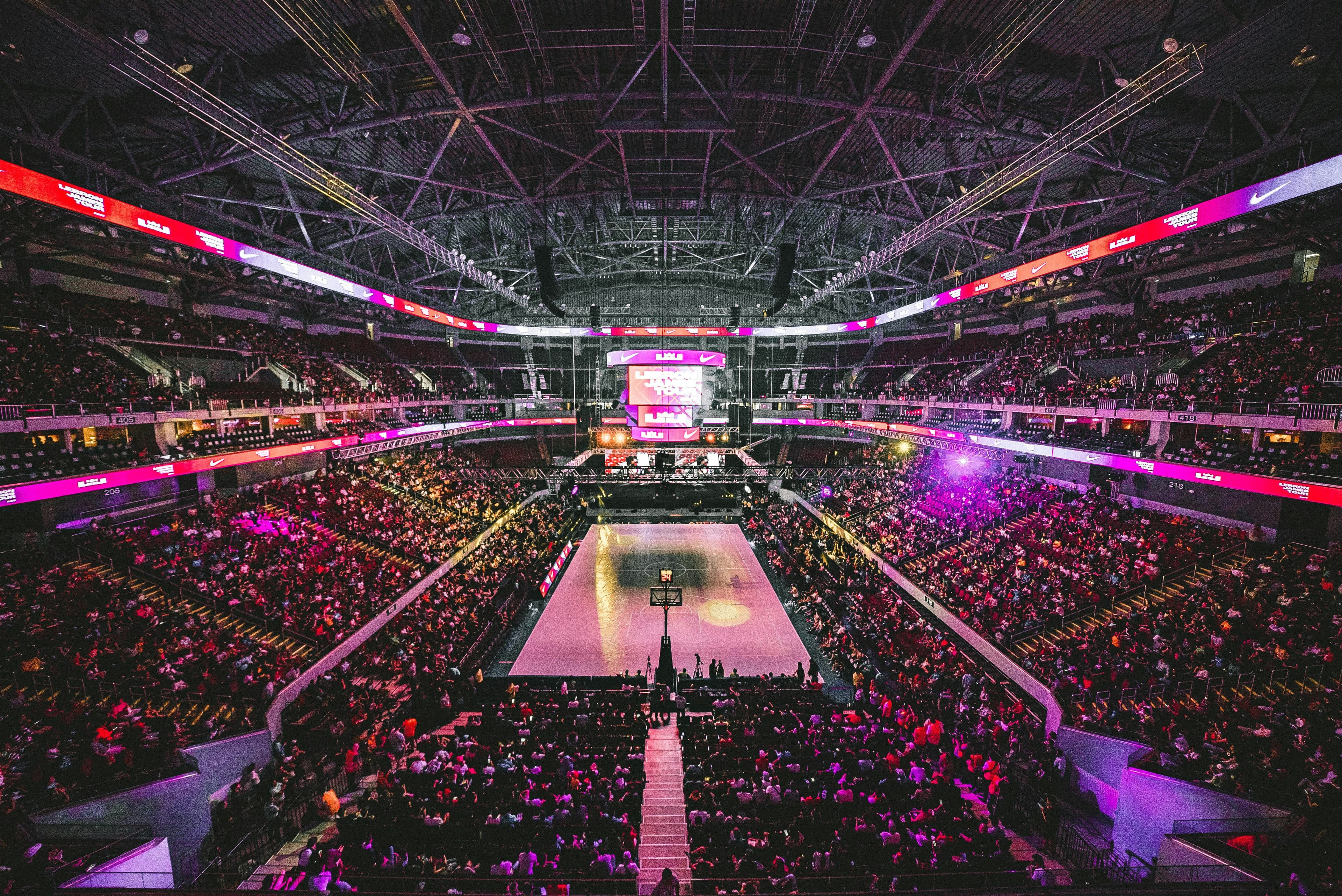
Why the Trail Blazers' arena situation matters to the NBA
The Moda Center opened in November 1995 as the Rose Garden Arena under a private financing arrangement that resulted in the Trail Blazers' ownership filing for bankruptcy in 2004 over construction debt. The arena was sold out of bankruptcy, eventually rebranded as the Moda Center in 2013 after a naming rights deal with Moda Health, and has continued operating without major structural renovations since it opened. At 30 years old, it is now in the bottom five oldest arenas in the NBA in terms of age.
The league cares about arena quality for several interconnected reasons. Modern arenas generate significantly more non-game-day revenue than older facilities through concerts, conventions, and premium hospitality events, which affects franchise revenue and therefore overall franchise valuation. A franchise with a deteriorating arena and no clear renovation path is also a relocation risk, and the NBA under Silver has tried to avoid relocation situations that create political and fan backlash. Portland is a mid-sized market, the 25th largest US metro area by population, which means it does not have the automatic economic gravity that protects franchises in New York or Los Angeles from facility-related instability.
Silver's track record on franchise stability and arena deals
Adam Silver became NBA Commissioner in February 2014. Since then, he has overseen several arena financing situations with varying levels of public and private contribution. The Golden State Warriors opened Chase Center in San Francisco in 2019 using entirely private financing, a model Silver has publicly praised as ideal. The Sacramento Kings received approximately $223 million in public funding for the Golden 1 Center, which opened in 2016. The Milwaukee Bucks received $250 million in public funding for the Fiserv Forum, which opened in 2018.
Silver has not indicated publicly what level of public funding he considers appropriate for any given market, but his visits to cities negotiating facility deals have generally been followed by resolution rather than continued impasse. His trip to Portland this week, timed to coincide with the bill's passage, fits the pattern of the commissioner reinforcing the league's relationship with local officials after a financing milestone is reached rather than before, when the outcome is still uncertain.
The Trail Blazers' ownership and what the renovation means for the franchise
The Trail Blazers are currently owned by Jody Allen, the sister of late Microsoft co-founder Paul Allen, who purchased the team in 1988. Paul Allen's estate has been managing the franchise since his death in 2018. There have been periodic reports about a potential sale of the franchise, and the arena funding resolution removes one of the complicating factors that would affect any valuation discussion, since a team with an unresolved facility situation trades at a discount to peers with long-term arena agreements.
The Trail Blazers' franchise valuation was estimated at approximately $2.7 billion by Forbes in its most recent NBA franchise valuation report, published in October 2025. For context, the average NBA franchise value was $4.6 billion in that same report. Portland's relatively low valuation relative to the league average is partly a function of the Moda Center's aging infrastructure and the uncertainty that surrounded the arena situation before this week's bill passage. A completed renovation and a long-term lease agreement would likely increase the franchise's valuation materially when Forbes next updates its estimates.
AI Summary
Generate a summary with AI


