2026 Winter Paralympics Begin Today in Milan-Cortina
The same mountains that hosted the Winter Olympics last month are alive with competition again. The 2026 Winter Paralympics opened today across Milan and Cortina d'Ampezzo, with para athletes from dozens of nations stepping onto the same snow and ice that the Olympic athletes used just weeks ago. The Games run through March 15, giving the world nine days of alpine skiing, biathlon, cross-country skiing, and other disciplines performed at a level that consistently surprises people who haven't watched Paralympic competition before. If you haven't been paying attention, now is a good time to start.
The Venues and What They Offer
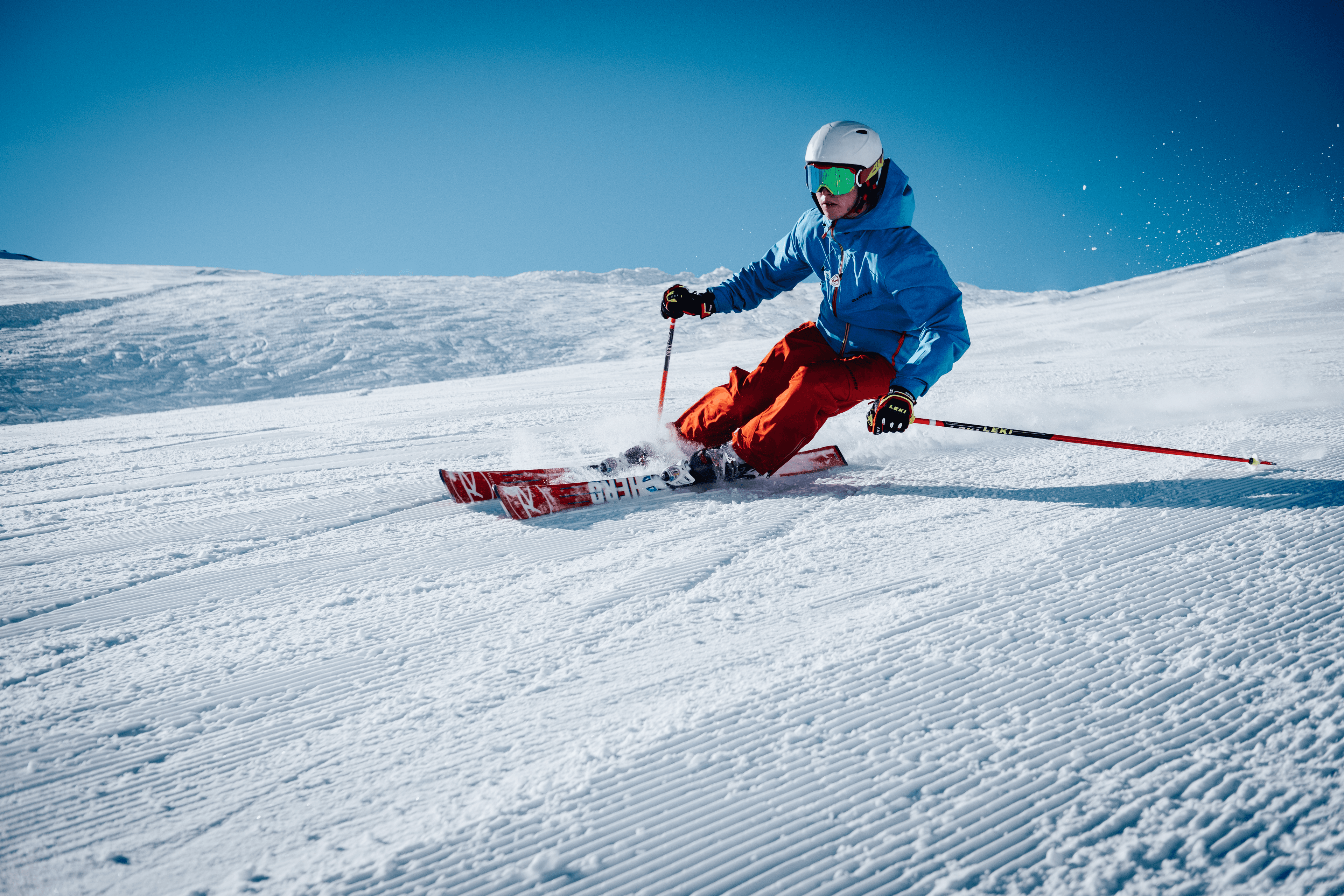
Milan-Cortina was always conceived as a dual-city Games — the metropolitan energy of Milan handling the ceremony and indoor events, while the historic alpine scenery of Cortina d'Ampezzo and the surrounding Dolomites provides the mountain venues. For the Paralympics, that arrangement means competition happens in settings that are visually dramatic and technically demanding. Cortina has hosted elite ski racing at various points over its long history, and its courses test athletes in ways that expose every dimension of their skill and courage.
The infrastructure that was built or upgraded for the Winter Olympics carries over directly for the Paralympic Games — accessible facilities, broadcast infrastructure, timing systems, and medical support all remain in place. One of the persistent criticisms of past Games cycles has been that Paralympic infrastructure is treated as secondary, developed only enough to meet minimum requirements. The integrated planning of Milan-Cortina was designed to avoid that pattern, and the quality of the venues competing athletes encounter reflects that intention.
The Sports and the Classifications Behind Them
Winter Paralympic competition spans alpine skiing, biathlon, cross-country skiing, para ice hockey, wheelchair curling, and snowboard events. Each sport operates across multiple classification categories — the system that groups athletes by the nature and degree of their impairment to create meaningful competitive equity. Classifications range from visually impaired athletes competing with guides, to sitting skiers who race in specially designed mono-ski equipment, to standing athletes with limb differences or other qualifying impairments.
The classification system is one of the aspects of Paralympic sport that new viewers often find initially confusing but quickly come to appreciate. It means the medal count across different classes is substantial — there are significantly more events in a typical Paralympic skiing program than in the Olympic one — and it also means that a single athlete's performance tells only part of the story. Understanding which classification you're watching and what physical challenges athletes in that category are overcoming adds a layer of context that makes the competition considerably more meaningful.
Nations to Watch and the Medal Landscape
Winter Paralympic competition has historically been dominated by a relatively small number of nations with strong winter sports cultures and well-developed Paralympic programs. Germany, Norway, France, the United States, Canada, and Austria have consistently been among the top medal-winning countries. China has invested heavily in its Paralympic program over the past decade and has become a more prominent force at Winter Games. The host nation Italy will be looking for home medals, particularly in alpine disciplines where Italian winter sports culture runs deep.
The individual storylines are what tend to capture the broader public's attention most effectively. Paralympic sports have a consistent history of producing athletes whose paths to competition involve remarkable personal journeys — acquired disabilities from accidents or illness, congenital conditions that required years of adaptation, or dedicated family systems that made elite training possible against significant logistical and financial odds. Those stories don't define the athletes, but they provide context for appreciating what the competition represents for the people in it.
Biathlon and Cross-Country: The Endurance Events
Para biathlon combines cross-country skiing with rifle shooting, with visually impaired athletes using acoustic targeting systems that provide audio feedback about aim accuracy instead of visual sights. The combination of cardiovascular output and fine motor precision required to shoot accurately after sustained exertion is demanding for any athlete — the adaptations required to do it without vision add a dimension that makes the sport genuinely fascinating to follow.
Cross-country skiing events test pure endurance across long courses in conditions that can change dramatically during a race. Sit-skiers generate propulsion entirely through upper body power, which requires a specific kind of training and a cardiovascular capacity built on different physiological foundations than stand-up skiing. The performances that come out of para cross-country competition regularly demonstrate athletic outputs that challenge assumptions about what's physically possible in adaptive sport.
Para Ice Hockey and Wheelchair Curling
Para ice hockey — played on sleds with dual blades that allow athletes to sit while competing — is one of the most physically intense team sports in the Paralympic program. The level of contact and athleticism in elite para hockey is jarring to first-time viewers who come in with lowered expectations. The United States and Canada have been traditional powers in the sport, but competition from South Korea and other nations has made the tournament genuinely unpredictable.
Wheelchair curling, by contrast, operates at a more measured pace — athletes deliver stones from stationary wheelchairs without the sweeping component that defines the Olympic version. The strategy and precision elements remain fully intact, and the sport has developed a dedicated following among curling fans who appreciate the tactical depth. Several nations that haven't historically been strong in other Paralympic disciplines have developed competitive wheelchair curling programs, which adds breadth to the overall medal competition.
Nine Days Worth Watching
The 2026 Winter Paralympics run through March 15, and the broadcasting and streaming coverage has expanded considerably compared to past Games. Rights holders in major markets are providing more live event coverage than the typical evening highlight package that Paralympic athletes used to have to settle for, which means the opportunity to actually watch competition as it happens is more accessible than it's been.
Paralympic sports consistently reward viewer attention with athletic performances that redefine what's possible in human movement. The athletes competing in Cortina and Milan this week have trained for years for this specific moment, in venues now proven by the world's best Olympic athletes. The mountain doesn't care about the category of competition — it's the same snow, the same terrain, the same demands. What happens on it over the next nine days deserves the same audience.
AI Summary
Generate a summary with AI